Definition of native ads and how they differ from traditional advertising
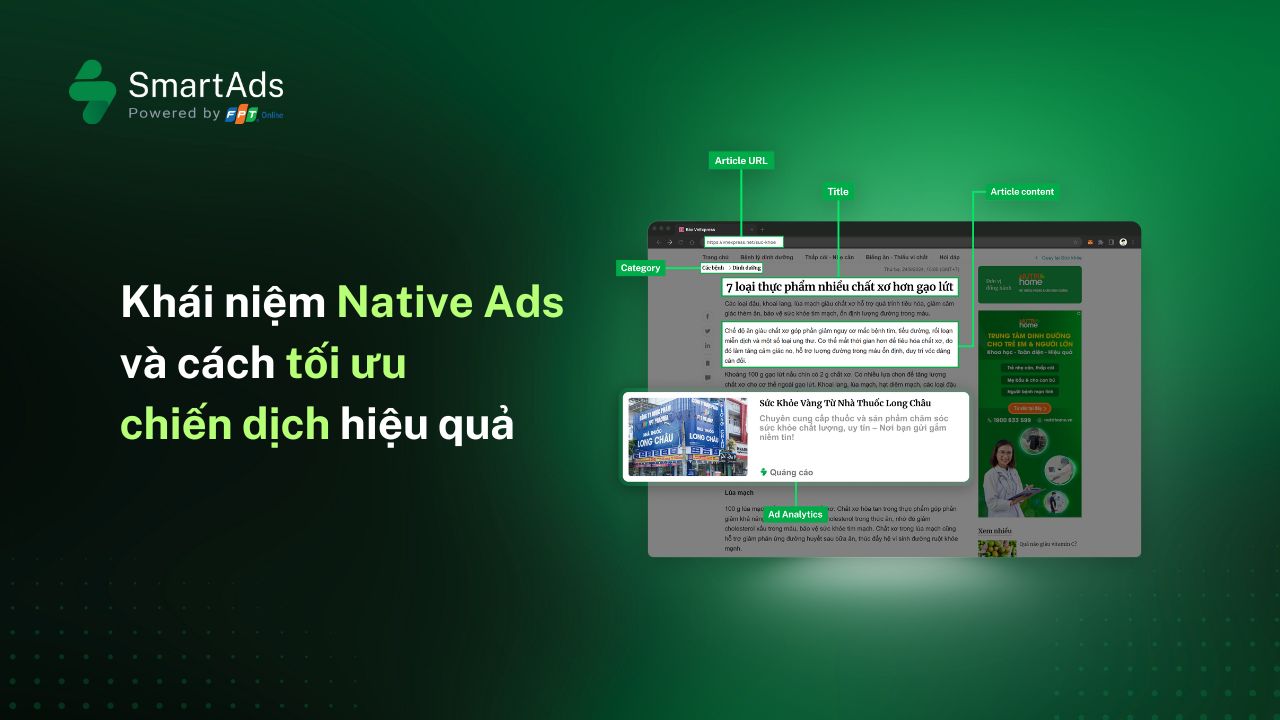
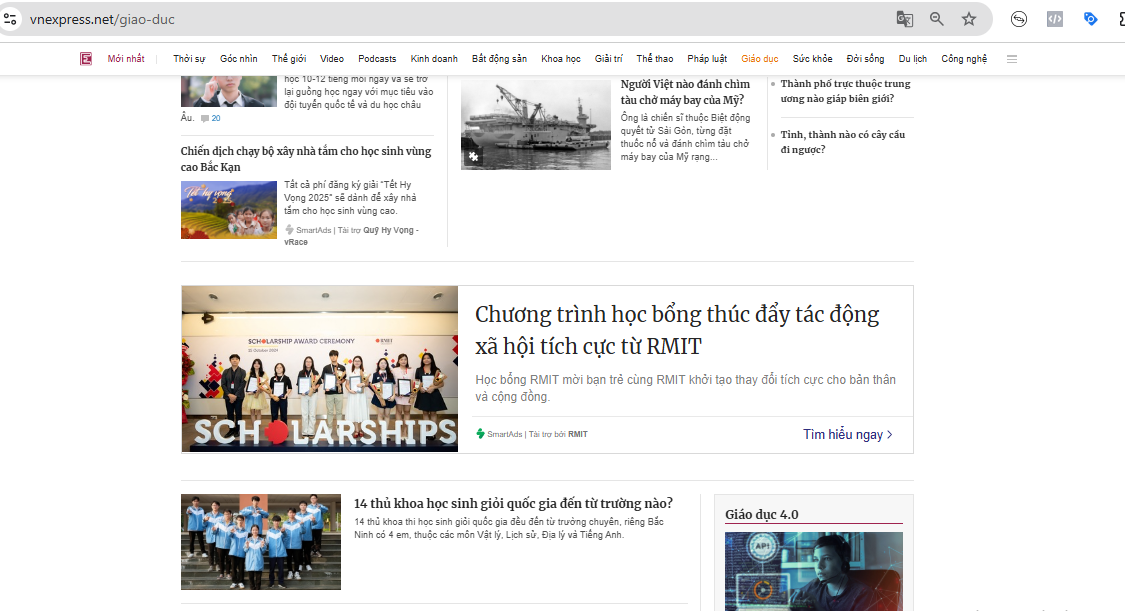
Native Ads (also known as native advertising) are ad formats designed to seamlessly blend into the content flow of the platform where they appear. As a result, users often find it difficult to recognize them as advertisements unless they carefully read the sponsorship label. Unlike banners or eye-catching pop-ups that may disrupt the browsing experience, Native Ads align closely with contextual content, maintaining a smooth and uninterrupted user journey.
>>> Explore the Cookieless trend and Contextual Intelligence technology here.
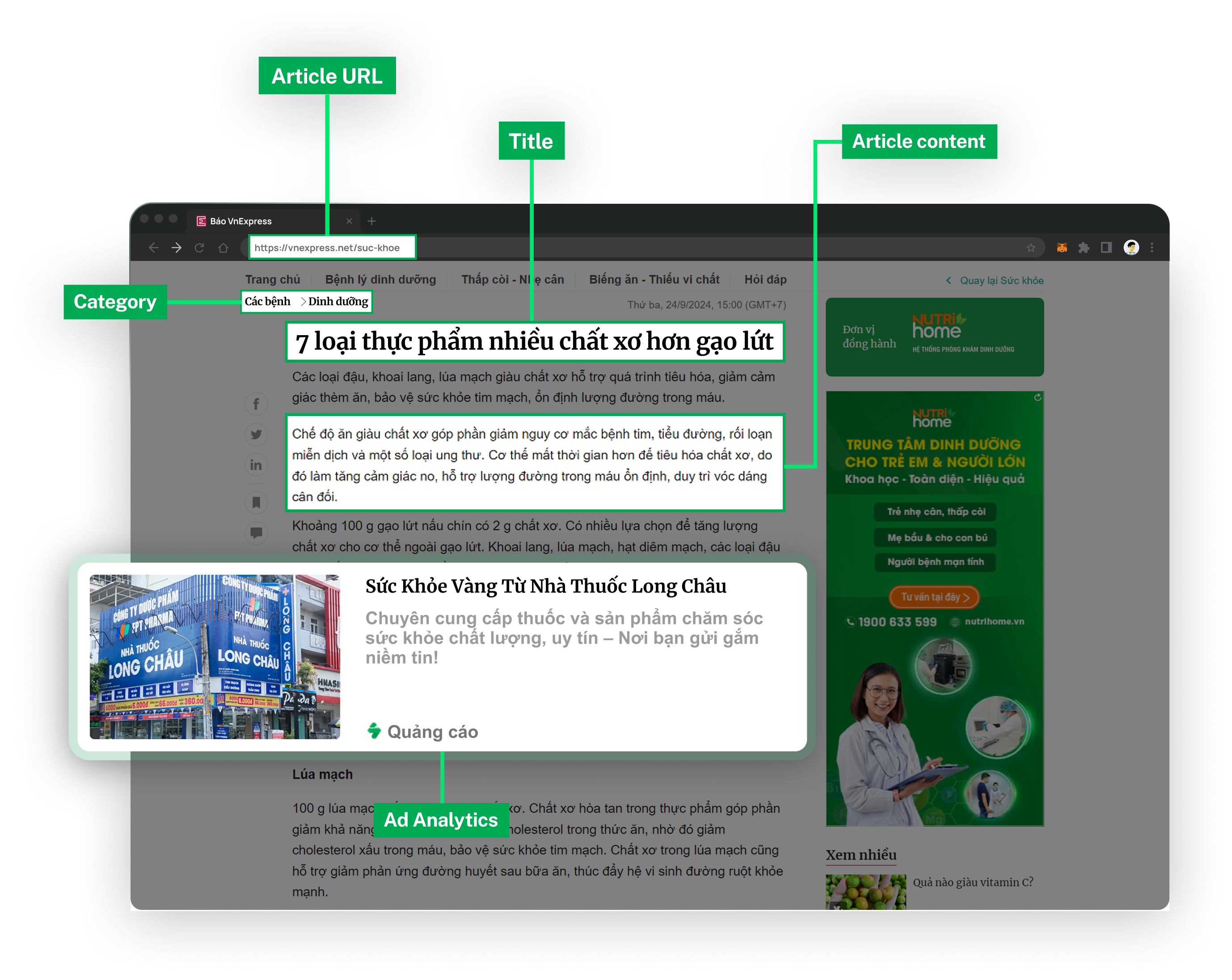
From a technical perspective, Native Ads operate by leveraging both qualitative data signals (such as URL, textual content, category, and article titles) and quantitative signals (including page views, scroll depth, session duration, and bounce rate). These data points are collected and analyzed in real time to determine content context and user interest levels. Based on this analysis, native ads are distributed in highly relevant environments—matching the topic being consumed while preserving a natural and non-intrusive user experience.
Common native advertising formats include:
- Sponsored articles integrated within editorial news content on digital publishers.
- Video ads embedded within newsfeeds or social media platforms.
- Sponsored posts on Facebook, Zalo, or TikTok labeled as “advertisement”.
- Native visual ads that blend naturally with the original editorial content.
Real-world example: When reading a news article on VnExpress or Vietnamnet, you may notice posts with headlines and formats similar to regular editorial content, only accompanied by a small “Sponsored” label. Likewise, when browsing Facebook, videos or posts appear naturally within the newsfeed, delivering an experience almost identical to content shared by friends.
Key benefits of using native ads
It is no coincidence that native advertising has become a “new approach in a familiar format” within the digital marketing landscape. Multiple studies indicate that Native Ads can increase CTR by up to 60% and capture 52% more user attention compared to traditional banner ads. Native Ads are also gaining popularity as the digital ecosystem shifts away from third-party cookies, while offering several strategic advantages:
Seamless user experience without disruption
Effective advertising should not interrupt the user journey. Native Ads balance brand messaging with valuable content, allowing readers to engage naturally without feeling forced or interrupted.
Flexible customization based on context
Native Ads can easily adapt to different platforms, aligning with the behavior and environment where target audiences interact. This allows brand messages to integrate naturally rather than appearing overly promotional.
Overcoming ad blindness
The human brain often ignores repetitive advertising formats. Native Ads overcome this barrier by delivering useful and relevant content, enabling users to absorb information naturally while improving brand recall and affinity.
Higher engagement levels
Users typically spend more time on pages featuring Native Ads and are more likely to interact with or share them—similar to how they would engage with regular editorial content.
Improved conversion rates
The subtle format gently guides audiences toward landing pages, resulting in higher conversion effectiveness compared to traditional display banners.
High-quality traffic with precise targeting
Native Ads enable targeting not only based on demographics but also on behavior and contextual relevance. This results in higher-quality traffic with stronger conversion potential.
User-friendly experience with lower rejection rates
Because they do not disrupt the browsing experience, users are less likely to ignore or close Native Ads, ensuring the advertising message remains effective.
Four simple steps to run native advertising effectively
To fully leverage the power of Native Ads, marketers should follow these fundamental steps.
Step 1: Research your audience, develop ideas, and choose a native content strategy
The first step is identifying your target audience: what interests them, how they consume content, and which topics align with your brand. Depending on your product or service, you can select formats such as sponsored advertorials, short-form video content, or integrated social media posts.
Native Ads content should focus on storytelling, inspiration, or brand value. A “soft-sell” approach is generally more effective than direct sales messaging. For example, healthcare campaigns often highlight real customer stories rather than immediately presenting product benefits. This approach builds trust while maintaining the authenticity that defines native advertising.
Step 2: Design the ad creative – images, headline, and description
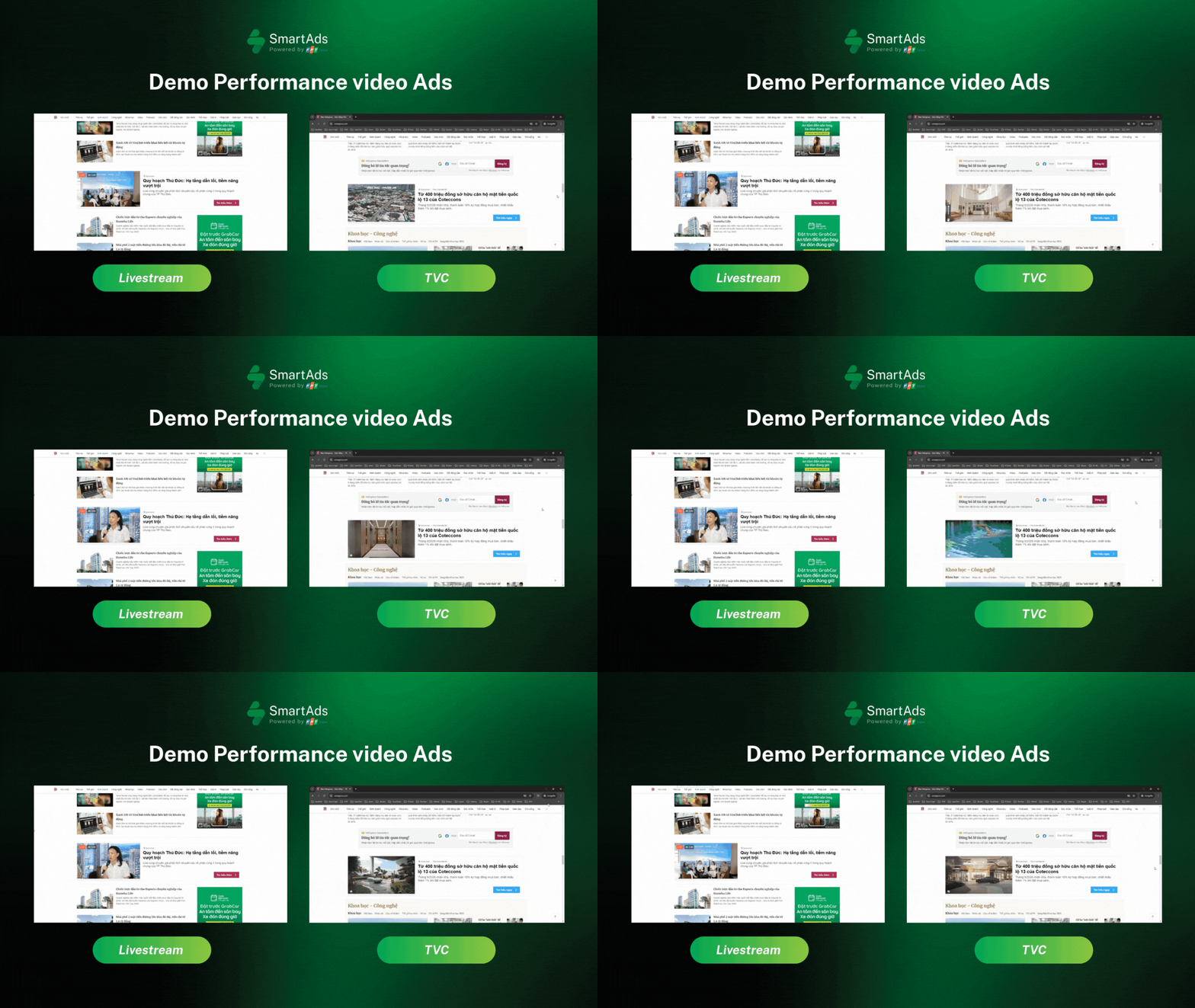
This is the “storefront” of a Native Ads campaign. Experts recommend preparing at least three headline variations and three different images for A/B testing to identify which version performs best.
Important considerations:
- The headline should be engaging and address a specific problem or question relevant to the audience.
- Images should feel natural and culturally relevant—especially in industries such as nutraceuticals, health, and beauty.
Increase CTR with natural descriptions that solve the audience’s PAIN POINTS or NEEDS rather than simply highlighting product features.
>>> Discover clickbait techniques that make your headlines more compelling.
Step 3: Optimize the landing page and post-click experience
The landing page is the final destination that determines conversion success. An effective native landing page should include the following elements:
- Fast loading speed, especially optimized for mobile devices.
- A clear and visible CTA that does not overwhelm the content.
- Concise information presented in a clear and visually engaging format.
- Minimal intrusive pop-ups and a stronger focus on real reviews and authentic customer testimonials.
Adjusting CTA placement, messaging, and color can significantly improve conversion rates—an optimization technique widely used by leading brands alongside continuous creative updates.
Step 4: Track, measure, and continuously optimize
During campaign execution, marketers must carefully monitor metrics such as CPM, CTR, CPC, and ROI across each platform. Any signs of low-quality traffic or creative fatigue (declining engagement) should be quickly identified and addressed through replacement or new testing.
In the early stages, it is advisable to run small-scale tests and gradually scale budgets based on effective traffic segments, placements, or creative assets. This approach has proven effective in industries such as nutraceutical marketing, helping control costs while maintaining strict performance quality.
Conclusion and practical advice for beginners
- Always test, measure, and scale budgets based on audience segments and creative variations.
- Put the user experience at the center of every campaign rather than relying solely on technical tricks. Continuously learn emerging native content trends and leverage AI or automation to gain competitive advantages.
- Eliminate low-quality or fraudulent traffic by partnering with reputable publishers such as digital news platforms and official media outlets (VnExpress, Vietnamnet, Ngoi Sao, Dan Tri, Tuoi Tre, Thanh Nien, ...). These are trusted sources where audiences frequently seek news updates, social trends, and in-depth analysis. They are especially suitable for industries requiring high credibility such as healthcare, legal services, and finance.
Native Ads represent the future of digital advertising, but they only deliver real value when marketers master optimization techniques, deeply understand their audiences, and continuously innovate. With the guidance above, you can confidently implement and elevate your marketing strategy to international standards starting today.
Currently, SmartAds offers the Brandformance (Branding x Performance) solution—an advertising model that directly connects brands with reputable publishers. With strict brand safety standards in the moderation process, SmartAds ensures your brand appears in high-quality environments while reaching the right potential customers at optimized costs and improving conversion rates. If you are looking for an advertising solution that maximizes both brand awareness and performance, feel free to create an account and start setting up campaigns on SmartAds here.