1. Why does the service industry need cross-platform retargeting?
1.1. Customers do not make decisions after just one touchpoint
For low-cost, common, and easily accessible physical products, customers may decide to purchase after just a few minutes of viewing the product on their phone. However, for service-based products such as spas, clinics, education centers, resorts, real estate, fine dining restaurants, and similar high-value services, customers often go through multiple stages before making a decision due to higher financial barriers:
-
Awareness: They hear about the brand for the first time through PR articles, social ads, or word-of-mouth recommendations.
-
Research: They search independently, read reviews, visit the website, and follow the fanpage.
-
Consideration: They compare with competitors, ask friends for opinions, and watch more videos.
-
Conversion: They contact the business, book an appointment, or purchase a service package.
Each of these stages happens across different platforms. If a brand only runs retargeting on one single platform, customers will not see the brand throughout most of their journey, and that brand will gradually lose its advantage compared to competitors that maintain presence across multiple touchpoints.
1.2. The problem with single-platform retargeting
Imagine a customer who has visited your website but has not booked an appointment yet. If you only retarget them on Facebook, two situations may happen:
-
Scenario 1: They use Facebook frequently, see your ads too many times a day, experience high ad frequency without converting, and may even block your ads.
-
Scenario 2: They are not actively using Facebook during that period, so your ads are displayed but fail to reach them at the right moment when demand exists.
Both cases lead to the same result: the budget continues to be spent, but retargeting performance drops significantly because the brand only exists at one single touchpoint. This is also the core difference between traditional retargeting and cross-platform retargeting. In practice, this difference can be seen as follows:
-
Traditional retargeting: only follows users on one single platform (for example, only Google Ads or only Facebook Ads).
-
Cross-platform retargeting: reconnects with customers across multiple platforms throughout the entire journey. For example, users may first see an ad on Facebook, then continue seeing the brand while reading online newspapers, watching YouTube, or searching on Google.
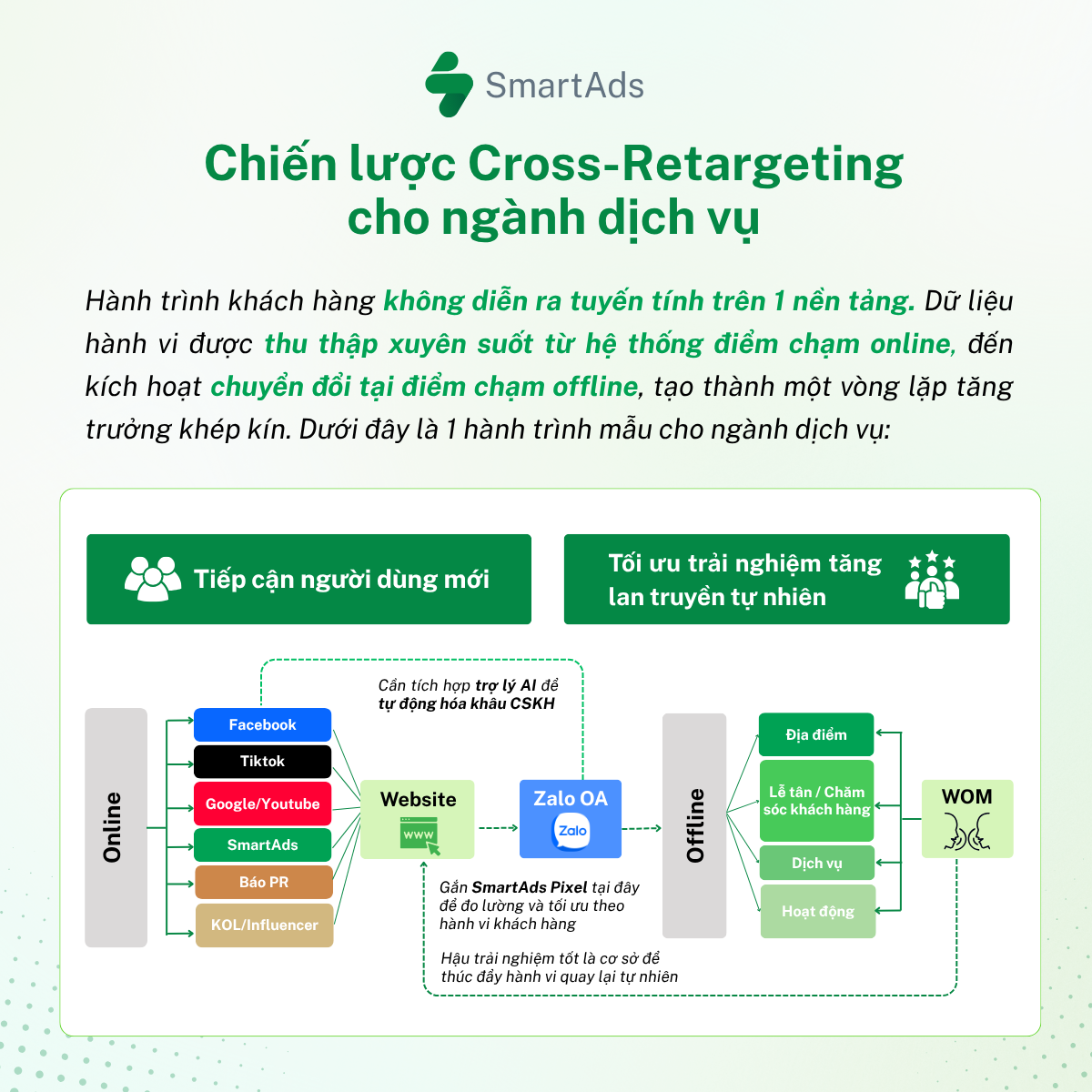
Clearly, cross-platform retargeting is a strategic solution that better fits modern brands. Instead of repeatedly appearing on a single channel, brands can distribute their visibility frequency across multiple channels to reach customers exactly where they are paying attention and actively engaging, in a natural way without causing annoyance.
2. What is cross-platform retargeting and how does it work?
Cross-platform retargeting (also known as multi-platform remarketing) is a strategy that uses user behavioral data to re-display ads to them across multiple platforms instead of focusing on just one channel.
The basic operating mechanism works as follows:
-
Users visit your website or interact with your brand on any channel.
-
Their behavioral data is recorded through pixels, cookies, or CRM data.
-
This data is synchronized across different advertising platforms.
-
The brand reconnects with those users on the platforms where they are active: online newspapers, social media, video platforms, Zalo, and more.
As a result, for the same user, delivering messages across multiple touchpoints helps increase ad visibility frequency without creating overload at a single point.
3. Common mistakes to avoid
-
Using the same creative for too long
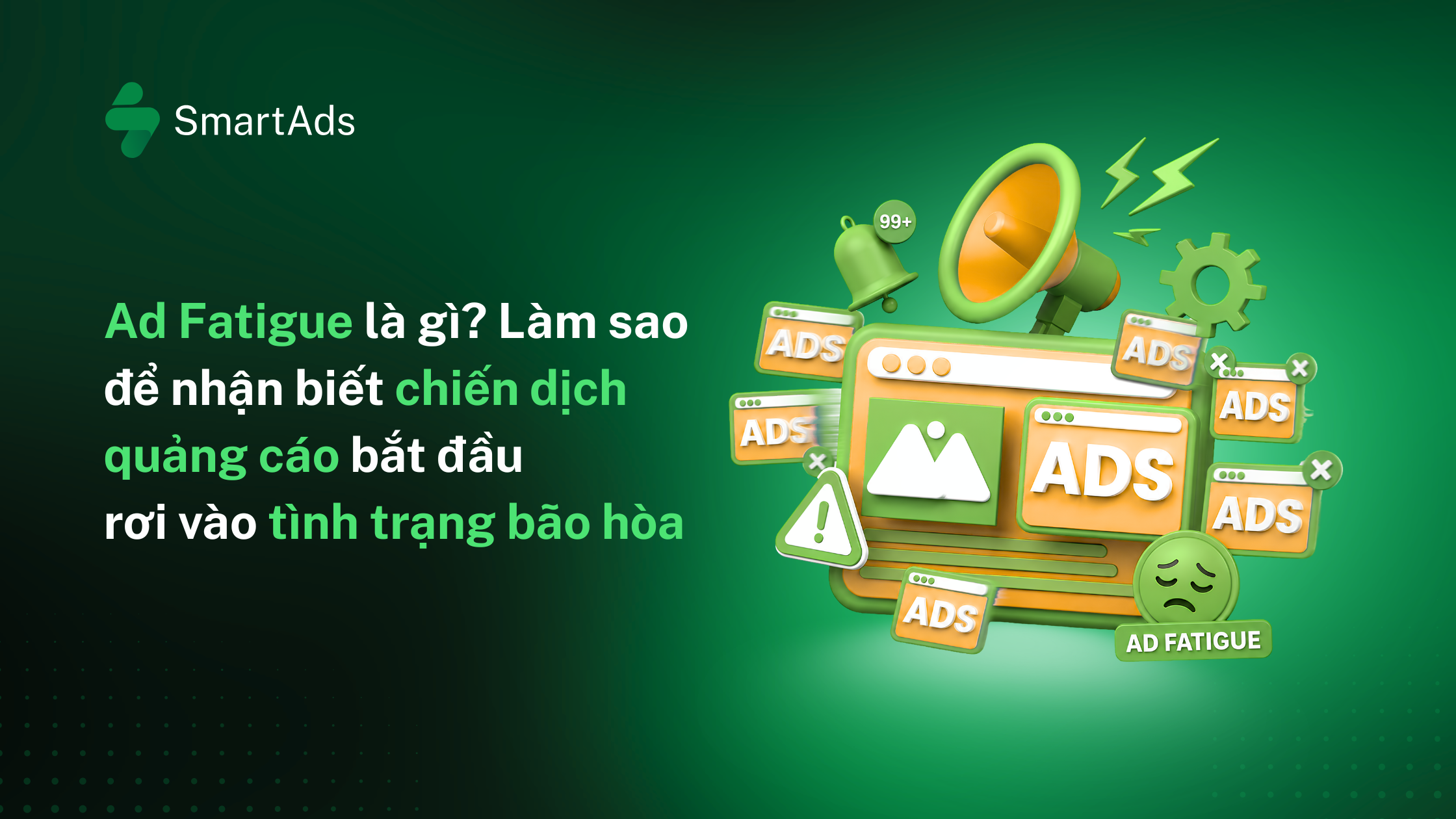
Creative fatigue is a real issue in retargeting. A banner or video that users have seen more than 7–10 times often no longer drives conversions. Creative assets should be rotated regularly, at least every 2–3 weeks, especially for saturated audience segments.
-
Not separating budget by customer journey stage
Many brands allocate most of their budget to Awareness but invest very little in Consideration and Conversion, or vice versa. A recommended budget allocation for service businesses is:
-
Awareness: 30–40%
-
Consideration (second-layer retargeting): 30–35%
-
Conversion (third-layer retargeting): 25–30%
-
Retention/Upsell (existing customers): 10–15%
-
Ignoring online newspapers / display network channels
Many marketers focus entirely on short-form content on social media while overlooking online newspaper systems, even though this is a highly trusted channel that reaches users when they are consuming in-depth content. Especially for premium customer segments, online newspapers often deliver higher conversion efficiency than mass-market channels. Therefore, online news platforms are often used to reach users when they are actively seeking information and to position the brand in the right contextual environment.
>>> Overview of SmartAds’ online newspaper advertising ecosystem
-
No dedicated strategy for existing customers
Customers who have already used your services are your most valuable audience segment. However, if they continue receiving the same ads as new users, the experience becomes cold and lacks personalization. A dedicated campaign is needed with priority content, member-exclusive offers, or recommendations for additional services that match their usage history.
4. Practical implementation suggestions for service brands
Step 1: Build a strong data foundation
Before running any retargeting campaign, data is essential. And to have data, proper tracking tools must be fully set up. Brands can implement one or all of the following tools across online platforms, such as:
-
Google Tag Manager for centralized tag management
-
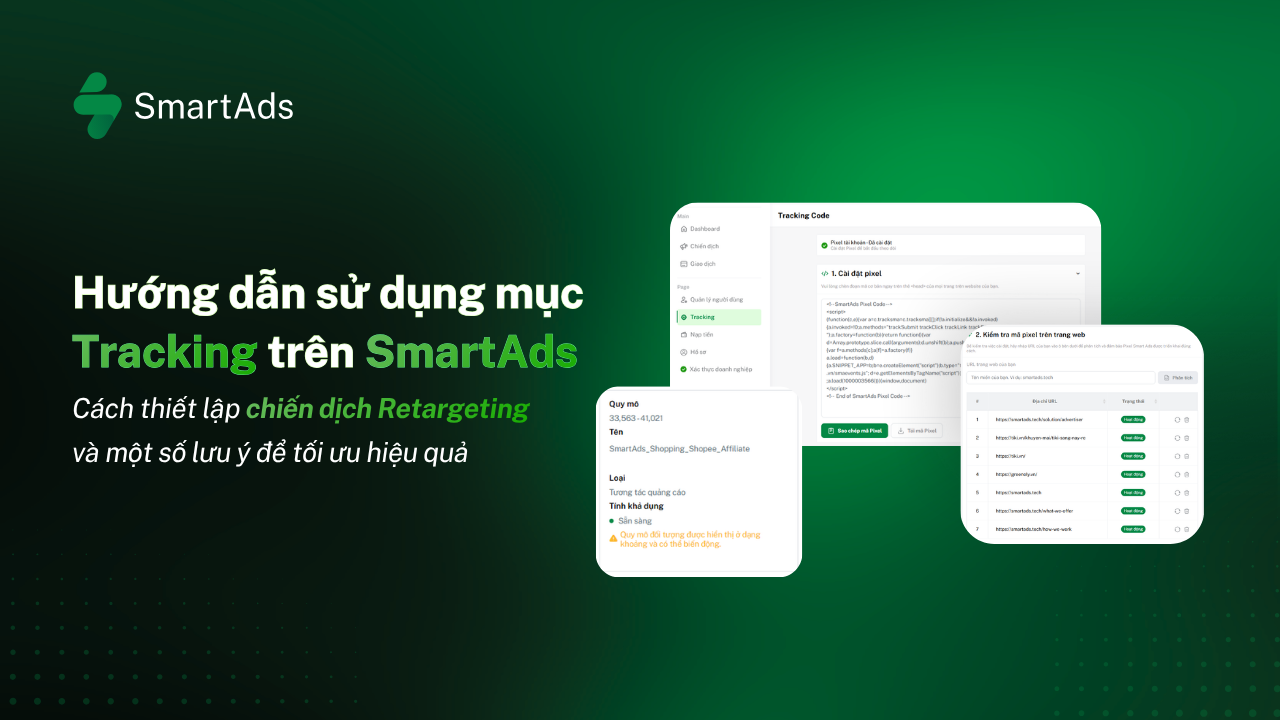
SmartAds Pixel for collecting behavioral data across channels and enabling remarketing on online newspaper systems
-
Zalo OA for collecting interested customer audiences
-
UTM Tracking for monitoring traffic sources and campaign performance
-
Google Analytics (GA) for tracking overall demographic and behavioral data on websites or apps to evaluate advertising performance
In addition, offline data should also be integrated into the online system for customer information management. For example, if customers book services by phone or visit directly, that information should be entered into the CRM system and synchronized with custom audience files across advertising platforms. This becomes the basis for excluding converted customers from retargeting campaigns, helping avoid wasted budget.
Step 2: Segment audiences based on behavior
Brands should not group all users into one single retargeting audience. Instead, users should be segmented based on their level of interest and actual behavior throughout the customer journey:
-
Group A – Initial awareness: Users only view ads or content without any interaction. This is the lowest-interest group and requires re-engagement through more attractive and easy-to-consume content.
-
Group B – Basic engagement: Users have viewed and shown light engagement (likes, clicks, read more, etc.). However, this does not necessarily mean strong interest—they may simply be researching, comparing, or interacting casually. This group needs further nurturing to identify real intent.
-
Group C – Deep engagement (high intent): Users have explored more deeply, such as reading detailed content, viewing service pages, asking for pricing, filling out forms, or sending messages. This group shows clear conversion signals and is nearly ready for booking or payment.
-
Group D – Existing customers: People who have already used the service. This group is ideal for upselling, cross-selling, or reactivating them into a new customer journey based on new needs.
Each audience group requires a different message and approach. Using the same content for Group A and Group C/D will reduce performance because users at each stage have completely different awareness levels and needs.
Step 3: Design content suitable for each platform
The same message should be adjusted flexibly to match the characteristics and algorithm of each platform. Format selection should still depend on campaign goals, industry, and specific user behavior:
-
Facebook/Instagram: Attractive visuals, short captions, emotional storytelling
-
TikTok: Real videos (UGC-style), authentic content, entertainment first – selling second
-
YouTube: Longer videos (30–60 seconds), proving clear value
-
Online newspapers / Display Ads: Professional banners, clear CTA
-
Online newspapers / Native Ads: Contextual natural content, subtle CTA
-
Google Search: Short copy, highlighting benefits and direct call-to-action
-
Zalo OA: Personalized messages, friendly tone, highly practical content
It is important to note that the formats above are only suggested references for brands. In reality, every platform has multiple ad formats and different delivery algorithms, and performance also depends on customer demand across different product groups. Therefore, there is no single fixed formula that works for every brand.
Step 4: Set up exclusion logic
This is the most important step to avoid overlap and prevent annoying customers:
-
Exclude converted customers: These audiences should be removed from all acquisition and retargeting campaigns using old sales messages, and instead moved to dedicated retention/upsell campaigns
-
Time-based exclusion: For example, if users have seen the same discount offer on Facebook within the last 3 days without interaction, you can set Google Display to stop showing that offer again for the next 1–2 days
-
Exclude users who have read specific content: Users who have already read a blog about “service pricing” do not need to see a general introduction banner again—replace it with a more specific offer instead
Step 5: Measure and optimize continuously
The following metrics should be monitored continuously:
-
Assisted Conversion Rate: Which channel plays a supporting role before conversion happens?
-
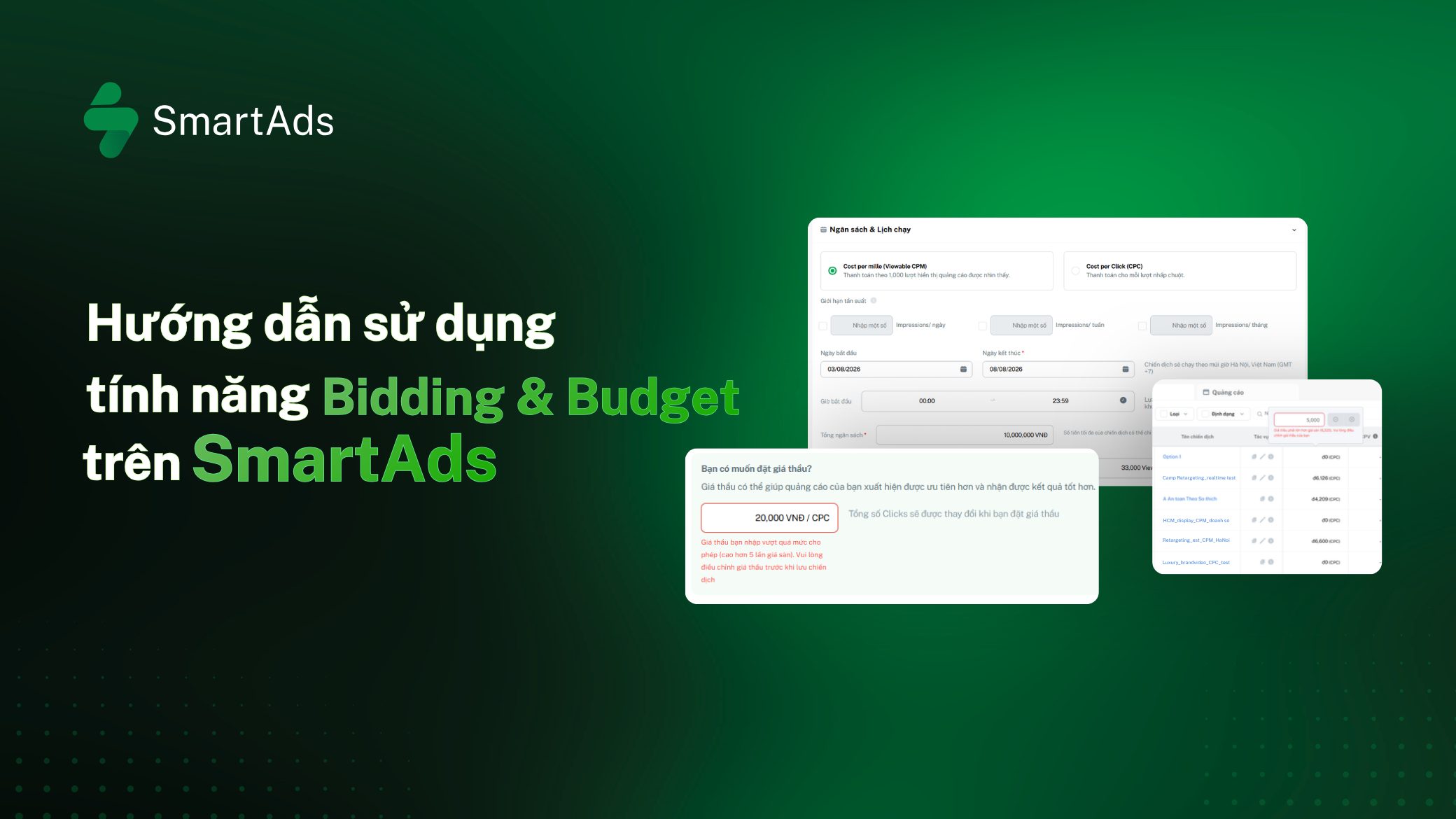
Channel frequency: Which channel is wasting budget due to excessively high frequency?
-
Cross-device Attribution: Did users see the ad on mobile but convert on desktop?
-
Time to Conversion: On average, how many days does it take from the first touchpoint to conversion?
Conclusion
Cross-platform retargeting is not simply about running more ads across more channels. It is about showing up at the right time, in the right place, with the right message so that every touchpoint creates value instead of causing irritation. Therefore, brands need to clearly understand who needs which message and at what stage of the decision-making journey by effectively leveraging user behavioral data. This behavioral data can be captured through tools such as SmartAds Pixel Code to analyze interest signals and activate suitable retargeting campaigns across multiple platforms. This also forms the foundation for implementing effective Retargeting Ads with personalized messaging for each audience segment. Businesses can start launching advertising campaigns and create a SmartAds account here.