1. Why did Xanh SM need to change its name for international expansion?
In the Vietnamese market, “Xanh SM” was a highly effective brand name from a marketing perspective. The word “Xanh” strongly evokes associations with environmental sustainability and green mobility, closely aligning with the brand’s electric vehicle identity the core factor that differentiates the brand.
However, when entering international markets, “Xanh” became a barrier. Global users do not understand its meaning, forcing the brand to spend additional resources explaining the name and building brand awareness from the ground up.

Changing the brand name to “Green SM” effectively solves this issue. “Green” is a universal and easily understood word that preserves the brand’s sustainability positioning while making it much easier to connect with global audiences. This reflects an important principle in international marketing strategy: a brand name should never become a barrier to market expansion.
2. Rebranding is not just about changing a name, but a complete transformation of experience and business model
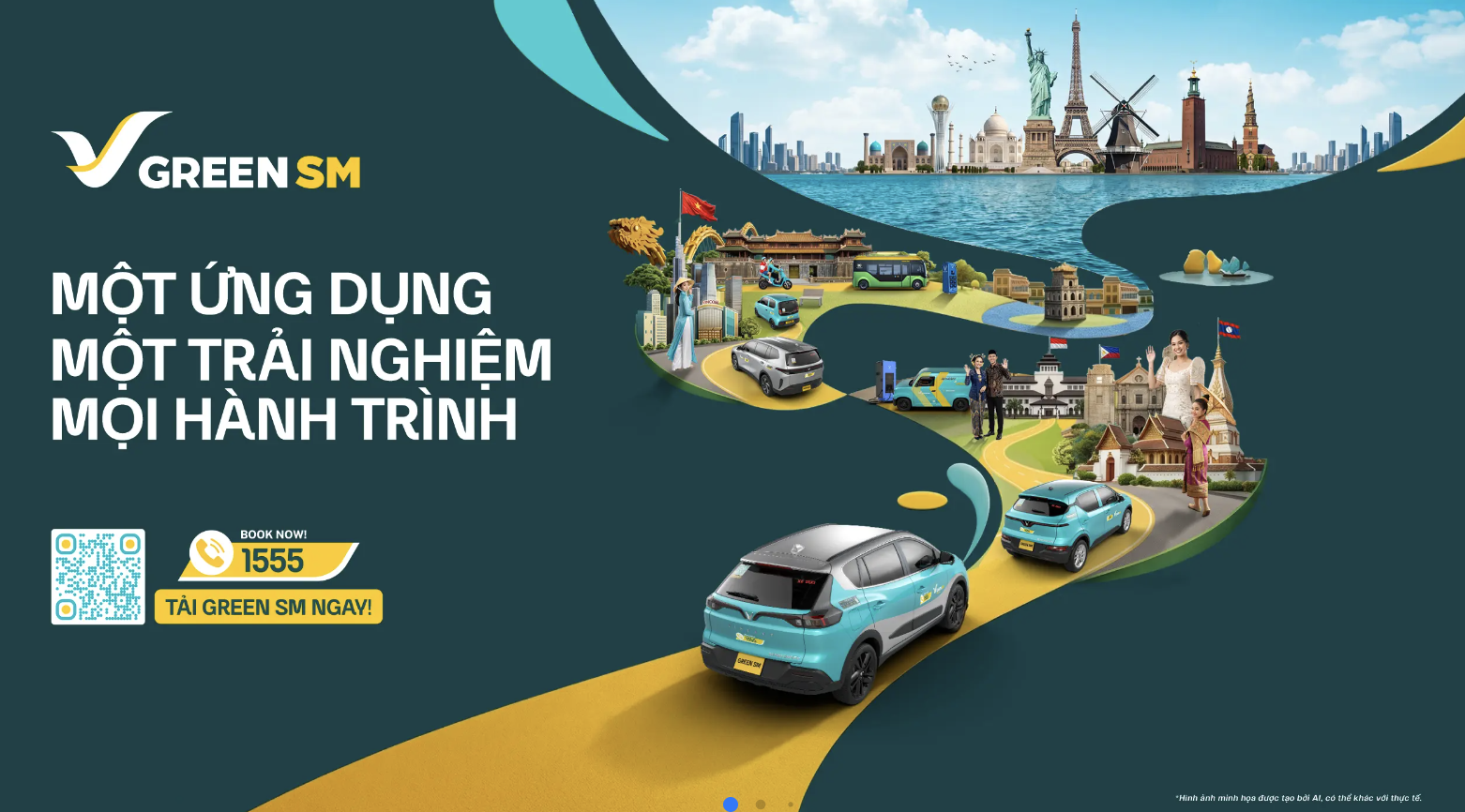
One notable point is that the name change happened alongside product and operational upgrades. Green SM not only optimized its app interface to be simpler and more user-friendly, but also enabled users to use the same app across multiple countries while applying AI to personalize the customer experience. As a result, users can book rides in Vietnam and continue using the service seamlessly when traveling to Indonesia or the Philippines without needing to relearn the system.

This shows that rebranding goes far beyond visual identity — it impacts the entire customer journey. At the same time, it reflects a major shift in business strategy: from an electric taxi service to a mobility platform model. This approach allows the brand to expand its ecosystem through partnerships, accelerate market coverage, and leverage network effects for sustainable growth.
When operating as a multinational platform, building a consistent user experience becomes a core priority. This also signals a transition from market-by-market marketing thinking to a global ecosystem mindset — a trend that is becoming increasingly common among technology-driven businesses.
3. When should a brand rebrand, and how can it avoid “losing itself”?
From the Green SM case, it is clear that rebranding is not an emotional decision — it usually happens when a business enters a new stage of growth.
A brand should consider rebranding when:
-
Its current brand image and identity system no longer align with long-term strategic direction
-
The business begins expanding into international markets
-
There is a major shift in the business model
-
The company needs to unify user experience across multiple markets
However, the most important factor is not whether a brand should change, but when it should change. Rebranding is only truly effective when the brand is strong enough not to lose its existing recognition, yet flexible enough to adapt to the next stage of growth.
In addition, a successful rebranding strategy does not mean changing everything. Green SM still retains its core brand values, such as its “green” positioning tied to sustainability, its electric vehicle ecosystem, and its mission of environmentally friendly transportation. This highlights an important marketing principle: rebranding changes how a brand is expressed, not its fundamental essence.
Conclusion
Xanh SM’s transformation into Green SM goes beyond a simple language adjustment — it represents a strategic shift in the brand’s long-term development journey. From a marketing perspective, this is a clear example of how rebranding at the right time can unlock an entirely new phase of growth.
However, for rebranding to truly drive growth, brand recognition alone is not enough it must also be supported by conversion capability. Today’s users make decisions quickly, so brands must ensure that every touchpoint not only communicates the new brand image but also drives action, such as app downloads or service usage. This is where the brandformance approach becomes highly effective, combining branding and performance within a single strategy. Through platforms like SmartAds, businesses can simultaneously expand brand awareness and optimize conversion performance, turning rebranding from a visual transformation into a real growth engine.