1. Contextual Intelligence (CI) là gì?
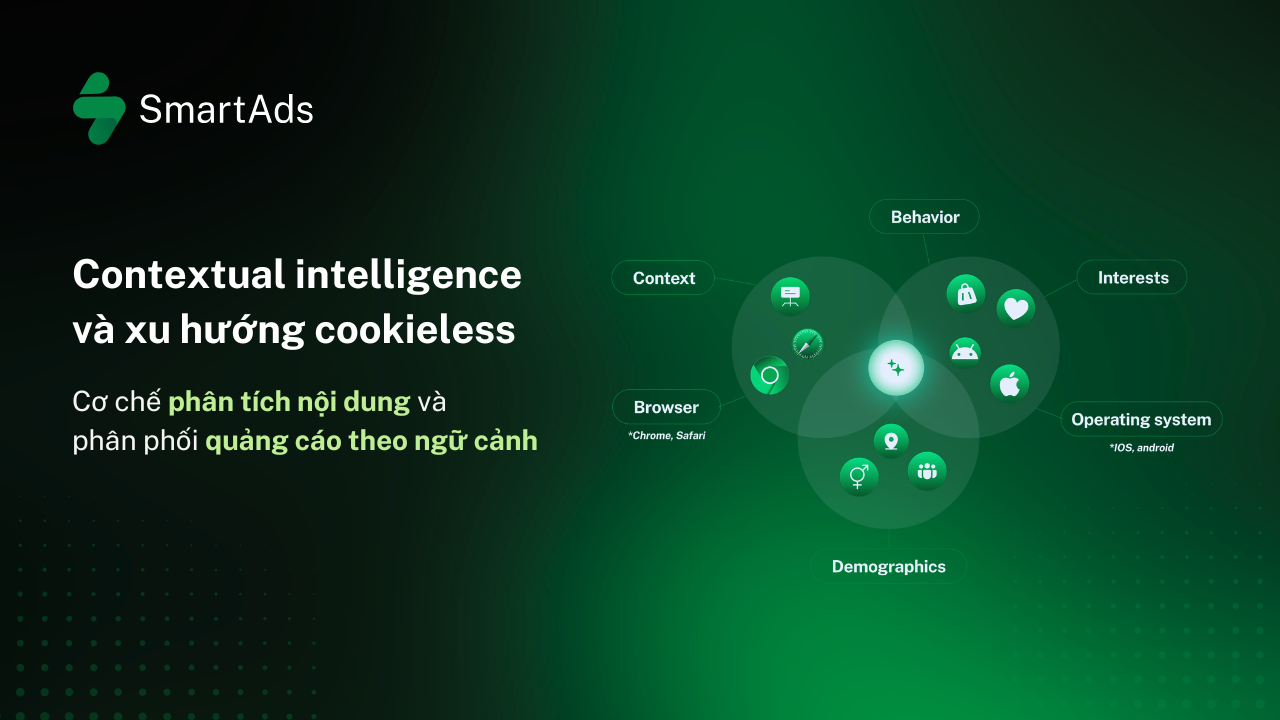
Contextual Intelligence (CI) là công nghệ phân tích nội dung theo ngữ cảnh để hiển thị quảng cáo phù hợp. Không giống như nhắm mục tiêu dựa trên hành vi người dùng, CI tập trung vào các yếu tố như:
- Từ khóa và chủ đề trong nội dung người dùng đang xem
- Cảm xúc và ngữ cảnh của bài viết, hình ảnh hoặc video
- Mức độ liên quan giữa nội dung và quảng cáo
2. Mối quan hệ của Contextual Intelligence và Natural Language Processing (NLP)
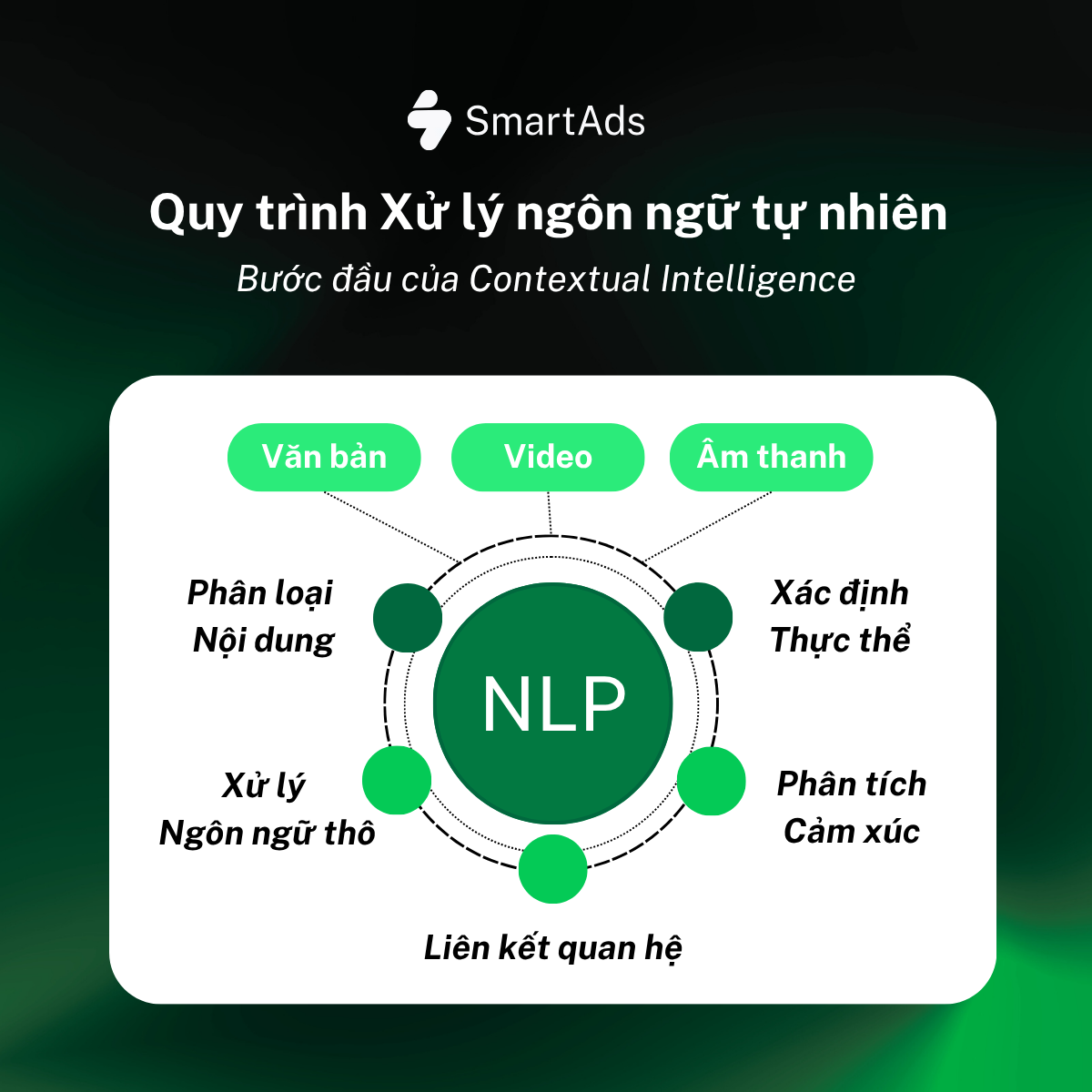
Natural Language Processing (NLP) hay Xử lý ngôn ngữ tự nhiên là một thuật toán của trí tuệ nhân tạo (AI) kết hợp các yếu tố lập trình và ngôn ngữ học, cho phép máy tính hiểu và xử lý ngôn ngữ của con người. Cụ thể, NLP sử dụng các công nghệ tiên tiến như ngôn ngữ học tính toán, máy học (Machine Learning) và mô hình học sâu (Deep Learning), giúp phân tích và xử lý ngôn ngữ dưới nhiều hình thức khác nhau, từ văn bản đến giọng nói. Mục tiêu chính của NLP không chỉ dừng lại ở việc nhận diện và hiểu nghĩa của từng từ riêng lẻ mà còn hướng đến việc nắm bắt toàn bộ bối cảnh, ý định cũng như cảm xúc, từ đó mang lại khả năng giao tiếp tự nhiên và chính xác hơn giữa con người và máy móc.
CI và NLP có mối quan hệ bổ trợ lẫn nhau. NLP cần CI để hiểu đúng nghĩa của nội dung trong ngữ cảnh cụ thể, giúp xử lý các yếu tố mơ hồ trong ngôn ngữ tự nhiên. Ngược lại, NLP cũng đóng vai trò quan trọng trong việc xây dựng CI, sử dụng Deep Learning để nắm bắt ngữ cảnh từ dữ liệu, cải thiện khả năng đọc hiểu, dịch thuật và các ứng dụng AI khác.
3. Contextual Ads và hành vi đọc
Contextual Ads (quảng cáo theo ngữ cảnh) là ứng dụng điển hình của sự kết hợp giữa công nghệ Contextual Intelligence (CI) và Natural Language Processing (NLP) trong thực tế triển khai. Thay vì dựa vào lịch sử hành vi hay dữ liệu cá nhân của người dùng, hệ thống phân tích trực tiếp nội dung và hành vi đọc tại thời điểm người dùng đang tương tác với bài viết, từ đó phân phối quảng cáo có liên quan cao đến ngữ cảnh.
Như vậy, sự liên kết giữa CI, NLP và và Contextual Ads được thể hiện rõ qua các bước sau:
-
Đầu tiên, NLP phân tích ngôn ngữ tự nhiên của bài viết để xác định từ khóa, chủ đề, cảm xúc, mục đích tìm kiếm (search intent),... và chuyển thành các meta data, giúp hệ thống máy học hiểu nội dung ở cả cấp độ từ vựng và ngữ nghĩa.
-
Tiếp theo, CI đưa thông tin NLP phân tích vào bối cảnh: thông qua xác định bài viết thuộc lĩnh vực nào, người đọc đang trong hành trình thông tin hay ra quyết định, ngữ cảnh bài viết nghiêm túc hay giải trí,...Hành vi đọc của người dùng được phân tích ở mức độ cung cấp các tín hiệu dữ liệu ở thời gian thực như người dùng cuộn đến bao xa, dừng lại ở đoạn nào, đọc nhiều bài cùng chủ đề không,...
-
Cuối cùng, Quảng cáo được hiển thị theo ngữ cảnh nội dung bài viết thay vì người dùng: dữ liệu về hành vi đọc ở trên được gửi về giúp hệ thống xác định mức độ quan tâm thật sự và chọn thời điểm phân phối quảng cáo phù hợp. Từ đó, các quảng cáo contextual được hiển thị hiển thị sát với nội dung mà người dùng đang quan tâm, tạo nên trải nghiệm đọc liền mạch và không xâm phạm quyền riêng tư.
Đây chính là nền tảng quan trọng để triển khai Native Ads (Quảng cáo tự nhiên) — hình thức quảng cáo hòa vào dòng nội dung, tận dụng ngữ cảnh và hành vi đọc để truyền tải thông điệp không gây gián đoạn trải nghiệm của người dùng.
Ví dụ: Khi một người đọc bài viết về "Chăm sóc sức khỏe", hệ thống sẽ hiển thị quảng cáo về thực phẩm bổ sung, bảo hiểm trong luồng đọc tin thay vì nội dung không liên quan.
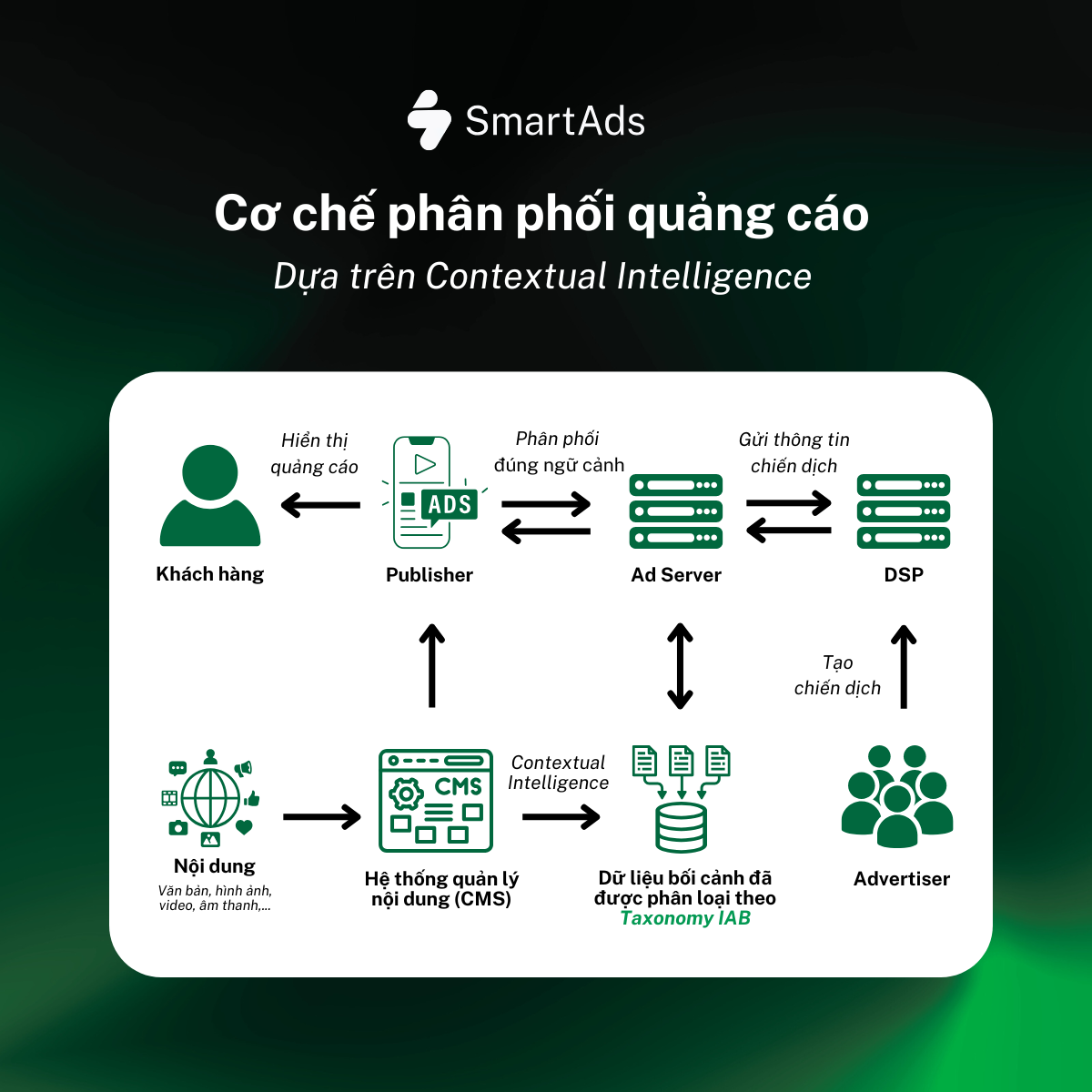
Việc áp dụng quảng cáo tự nhiên theo ngữ cảnh giúp:
-
Tăng tỷ lệ nhấp chuột (CTR) nhờ quảng cáo phù hợp chủ đề hoặc chuyên mục độc giả quan tâm.
-
Tối ưu tỷ lệ chuyển đổi (CR) do khả năng tiếp cận đúng nhu cầu vào đúng thời điểm.
-
Kết nối cảm xúc với thương hiệu được tăng cường vì quảng cáo xuất hiện đúng lúc người dùng đang quan tâm đến chủ đề liên quan. Hiệu quả về mặt branding nhìn chung được cải thiện khi thông điệp thương hiệu gắn liền với nội dung chất lượng và có ngữ cảnh phù hợp, đảm bảo an toàn thương hiệu.
4. Taxonomy và tiêu chuẩn IAB trong Contextual Ads
Để Contextual Intelligence hoạt động hiệu quả trong quảng cáo, hệ thống cần một chuẩn phân loại nội dung rõ ràng. Đây chính là vai trò của taxonomy và IAB:
- Taxonomy: Hệ thống phân loại nội dung theo cấu trúc, giúp tổ chức và sắp xếp thông tin một cách logic.
- IAB (Interactive Advertising Bureau Content Taxonomy) là một hệ thống phân loại nội dung được phát triển bởi IAB để giúp các nền tảng quảng cáo và nhà quảng cáo phân tích, xác định và nhắm mục tiêu nội dung chính xác hơn.
Nhờ quá trình NLP, thuật toán CI có thể quét, xử lý và gắn nhãn nội dung theo danh mục IAB. Như vậy, khi advertiser tiến hành tạo một chiến dịch contextual ads với các targeting theo hành vi đọc của khách hàng, các ad servers sẽ phân phối quảng cáo theo đúng ngữ cảnh (Context) mà bỏ qua việc thu thập dữ liệu Cookies từ người dùng. Điều này giúp tạo ra một môi trường quảng cáo trực tuyến hiệu quả, minh bạch và dễ dàng cho cả nhà quảng cáo, nhà xuất bản và người dùng.
Hiện tại, SmartAds đang triển khai giải pháp Native Ads sử dụng CI, kết hợp phân loại nội dung theo chuẩn IAB-3. Với sự hỗ trợ của AI, giải pháp của SmartAds giúp thương hiệu tiếp cận khách hàng với thông điệp phù hợp, từ đó, tăng hiệu quả chiến dịch và tối ưu chi phí quảng cáo.