What is conversion rate? Definition and calculation formula
Definition of conversion rate
Conversion Rate is the percentage of users who complete a desired action (conversion) compared to the total number of users who interact with or access a digital asset. In the context of digital marketing, customer conversion does not only mean making a purchase. It can also include actions such as:
- Submitting a registration form
- Booking a consultation
- Calling to place an order
- Downloading materials or starting a product trial
- Subscribing to newsletters
This means that each business — website — landing page or advertising campaign must clearly define the desired conversion action based on its specific business objectives.
Conversion rate formula and practical example
The general formula is very straightforward:
- Conversion Rate (CR) = (Number of conversions / Total number of visitors or interactions) x 100%
For example: An online food store receives 10,000 website visits per month. If it generates 370 orders, then:
- CR = (370 / 10,000) x 100% = 3.7%
Benefits of optimizing conversion rate for websites and businesses
Increase revenue and optimize advertising costs
Even a 1% improvement in conversion rate can increase revenue by up to 20% in e-commerce sectors. Instead of spending more advertising budget to generate additional traffic, optimizing conversion rate allows businesses to increase revenue from existing traffic sources, reduce cost per result (such as CPC or CPA), and improve overall ROI performance.
Enhance user experience and brand credibility
Conversion rate optimization (CRO) does not only affect the number of transactions but also influences:
- Customer satisfaction and loyalty
- Data collection for personalization and remarketing
- Building a professional and trustworthy brand image
Key factors affecting website conversion rate
To improve customer conversion rates, marketers need to focus on the following critical factors.
Website interface and page speed
- Fast loading speed and mobile-responsive design are critical
- Clear layout and intuitive navigation help reduce bounce rate
UX design and website loading speed have a major impact on overall conversion performance.
Compelling content and call-to-action
- Clear and visually prominent CTA (call-to-action) buttons
- Persuasive headlines and consistent messaging
- Regular A/B testing of different variations to optimize performance based on real user behavior
Advertising, SEO and social proof
- Users increasingly value transparency, authentic reviews, and direct interaction (chat, call, response)
- Social proof through ratings, testimonials, and feedback significantly improves conversion rate
Checklist to increase website conversion rate
-
A/B testing and continuous data analysis: Test multiple versions of headlines, visuals, CTAs, and layouts. At the same time, closely measure interaction metrics and user behavior data on the website.
-
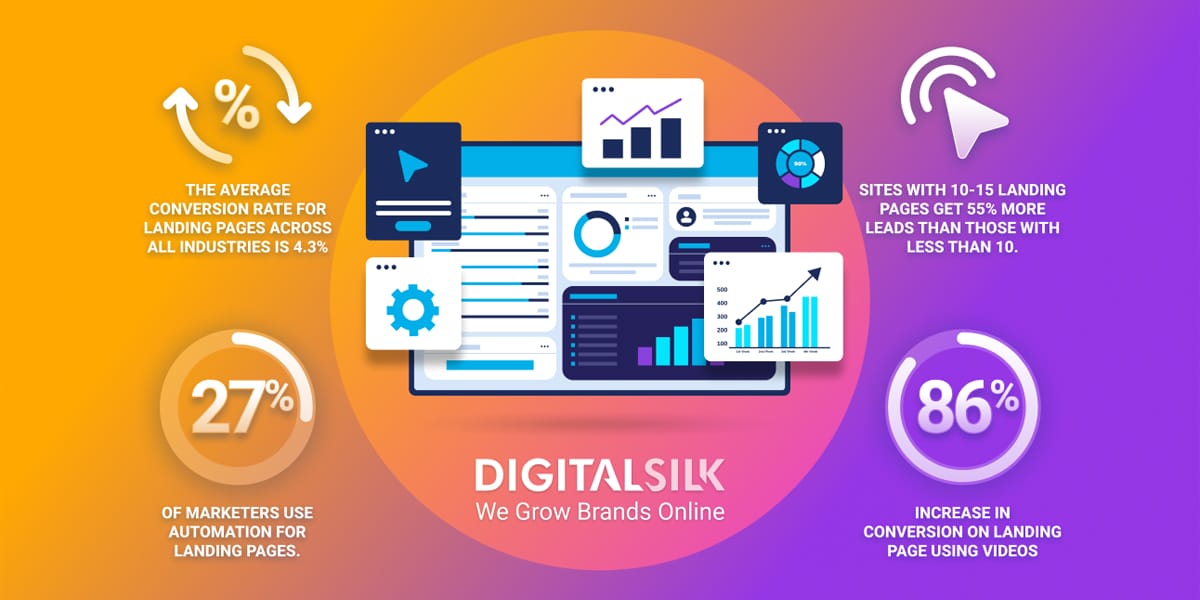
Optimize dedicated landing pages: Each campaign should have a dedicated landing page with focused messaging and offers.
-
Personalization and customer experience: Recommend products based on user behavior, personalize promotions (birthday offers, smart recommendations), and integrate automated chatbots to support customers in real time.
- Diversify payment methods and customer support: Ensure secure and fast transactions, offer 24/7 live chat support, and integrate trusted payment and authentication options to strengthen brand credibility.
Important considerations when optimizing conversion rate
-
Prioritize conversion quality instead of relying on artificial traffic or short-term promotions
-
Evaluate conversion rate together with metrics such as LTV (customer lifetime value), ROI, and retention rate
-
Dedicated landing pages and A/B testing are essential components of successful CRO strategies
-
Select performance metrics aligned with business objectives instead of chasing temporary growth
-
Continuously monitor, test, and refine optimization strategies
-
Conversion optimization is an ongoing iterative process that requires real user data rather than relying solely on international benchmarks
In summary, conversion rate is not merely a technical metric but the result of the entire customer experience across digital touchpoints. When applied correctly, marketers and businesses can significantly improve conversion performance and gain a competitive advantage in the rapidly evolving digital marketplace of 2024–2025.