Definition of IMC plan
An IMC plan refers to an Integrated Marketing Communications Plan. It is a strategic process that coordinates and executes marketing communications and advertising activities across multiple channels to deliver a consistent brand message to the target audience. Unlike isolated marketing campaigns, an IMC plan emphasizes seamless coordination and message consistency, creating a powerful synergy that amplifies the effectiveness of each individual activity.
An integrated marketing communications strategy not only connects internal departments but also helps businesses maintain consistent brand identity across every customer touchpoint—from digital channels and traditional media to offline events. The most significant benefits include stronger brand awareness, optimized omnichannel customer experience, and sustainable long-term conversion growth.
Key steps to build an effective IMC plan in 2025
To develop an effective IMC plan, marketers should follow these core steps:
Step 1: Analyze the market and target audience
-
Analyze consumer behavior, needs, market trends, and the overall media landscape.
-
Use both qualitative data (focus groups, interviews) and quantitative data (surveys, digital analytics) to uncover meaningful insights.
-
Build detailed customer personas based on real data.

Step 2: Define SMART communication objectives
-
Set clear objectives following the SMART framework: Specific – Measurable – Achievable – Relevant – Time-bound.
-
Objectives may include increasing brand awareness, boosting conversions, driving website traffic, or expanding into new markets.
>>> Learn more about setting SMART goals here
Step 3: Develop the core communication message
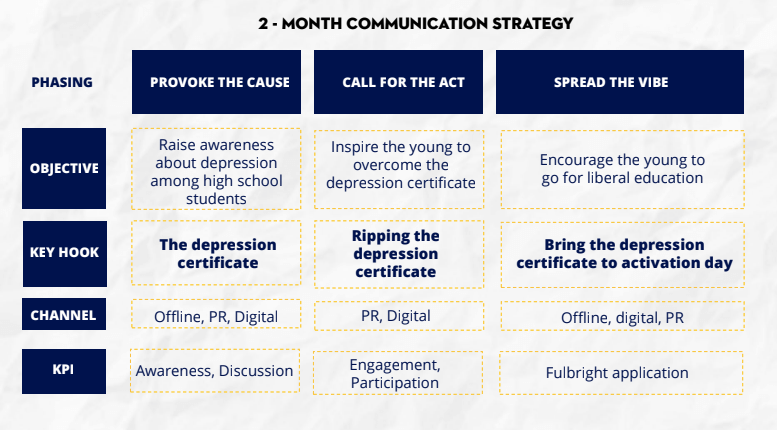
Create a core message that clearly reflects brand value and aligns with different stages of the customer journey. Ensure consistency in tone and manner, visuals, and CTA (call to action) across all platforms. Specifically, the message framework can follow three stages: Trigger – Engage – Amplify:
-
Trigger (before the event): spark curiosity and build anticipation through emotional storytelling, FOMO-driven messaging, or exclusive benefits.
-
Engage (during the event): encourage interaction and direct brand experiences, making customers feel like active participants.
-
Amplify (after the event): spread emotional impact, thank participants, and encourage follow-up actions such as sharing, subscribing, or returning.
Step 4: Plan an integrated media channel strategy
Coordinate different media channels strategically instead of deploying them in isolation. This ensures message consistency across every stage of the user journey and strengthens the overall integrated marketing communications strategy.
Step 5: Allocate budget and resources
-
Create a detailed budget allocation plan for each channel and campaign phase.
-
Reserve contingency funds for mid-campaign optimization or potential communication crises.
-
Balance investment between branding initiatives and performance marketing.
>>> Read more about marketing budget planning here
Step 6: Build an action plan and measure campaign performance
-
Create a detailed timeline that assigns specific channels and content to each campaign stage.
-
Integrate continuous measurement, monitoring, and optimization.
-
Track key metrics such as CPM, CPC, CTR, conversion rate, and brand lift.
-
Evaluate the effectiveness of each channel and content asset to adjust strategy based on real market feedback.
Benefits of an IMC plan
A well-executed IMC campaign not only optimizes marketing costs but also improves ROI and strengthens long-term brand positioning.
Financial efficiency and brand visibility
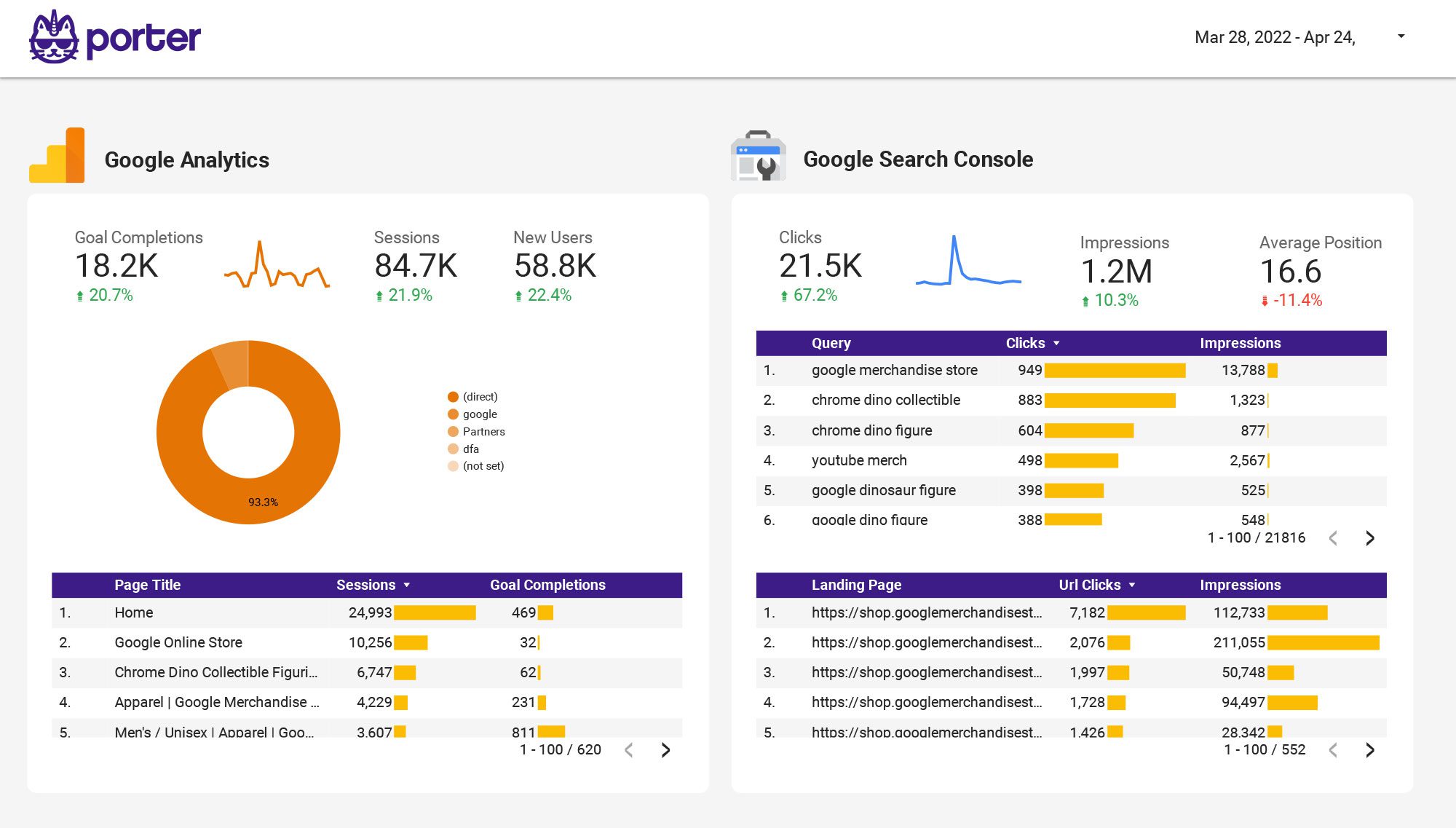
Implementing a multi-channel communication strategy can reduce marketing costs by 10–20% compared with planning each channel independently. The integration of digital technologies, real-time reporting, and AI-driven automation also enables marketers to measure every campaign phase in detail, proactively optimize messaging and channel selection, and stay aligned with KPIs.
Moreover, synchronizing owned, paid, and earned media channels creates a powerful synergy that can significantly outperform strategies focusing on a single channel.
Improve customer experience and conversion performance
Today’s customers expect a seamless shopping journey with consistent experiences across every touchpoint. An IMC plan enables marketers to deliver a unified message and visual identity throughout the entire funnel, improving conversion rate and strengthening long-term brand loyalty.
Key considerations when building an IMC plan
Brand awareness and communication effectiveness will only grow sustainably when the IMC planning process follows several key principles:
Analyze and select the right market and media channels
-
Conduct accurate market analysis: combine both quantitative and qualitative research to identify insights that guide the communication strategy.
-
Select and coordinate core channels strategically to avoid over-spreading resources or inconsistent messaging. For example, many brands run TVC, online newspapers, and social media simultaneously but fail to align the message—leading to wasted budgets and diluted brand identity.
Evaluate, optimize, and maintain message consistency
-
Real-time measurement: build dashboards integrating data from advertising platforms to monitor metrics such as CPM, CTR, and Share of Voice.
-
Timely optimization: continuously adjust campaigns based on real data instead of waiting until the campaign ends.
-
Maintain consistent brand visuals and messaging: ensure every touchpoint—digital, offline, or events—reflects the core message.
>>> To support more effective marketing planning, SmartAds is offering a free template package that you can access through a few simple steps below: