Target audience là gì?
Target audience, hay còn gọi là khán giả mục tiêu hoặc công chúng mục tiêu, là nhóm người mang chung các đặc điểm cụ thể về nhu cầu, sở thích, nhân khẩu học, hành vi và có khả năng cao quan tâm hoặc tương tác với sản phẩm, dịch vụ của doanh nghiệp. Không nên nhầm giữa khách hàng hiện tại với target audience – khách hàng có thể là target audience nhưng không phải target audience nào cũng là khách hàng.
Phân biệt target audience với target customer, target buyer và target user
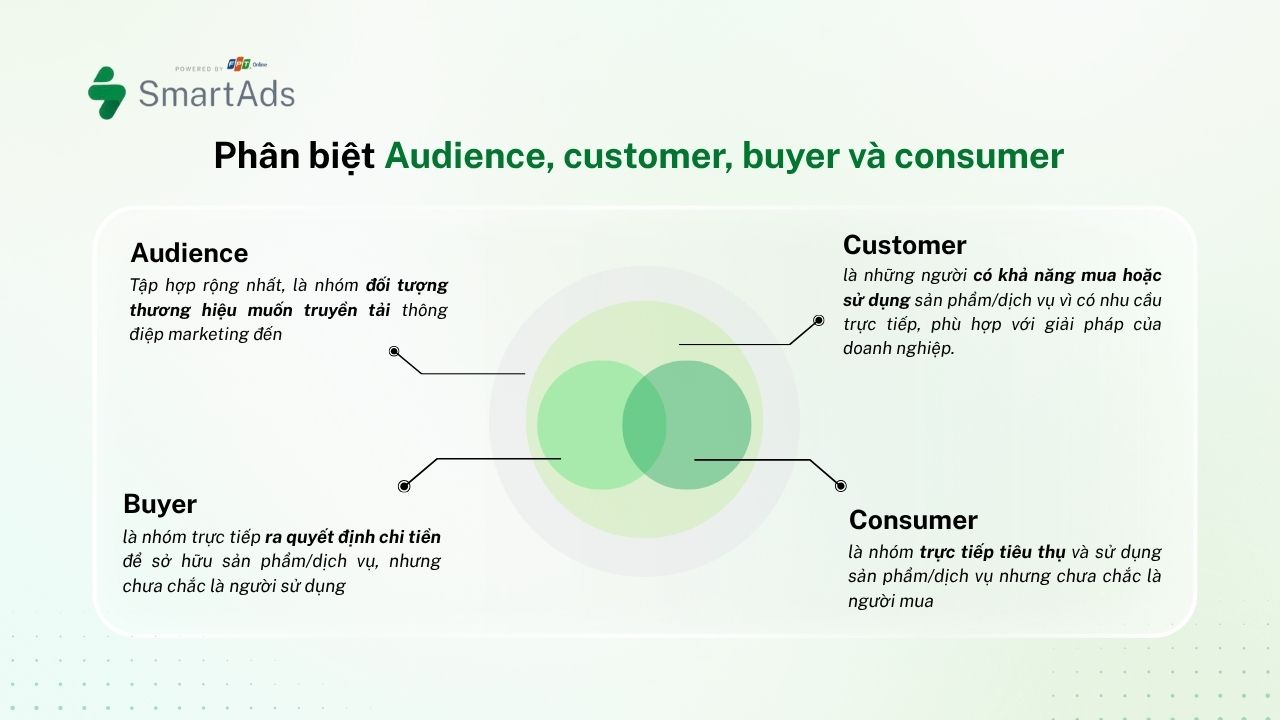
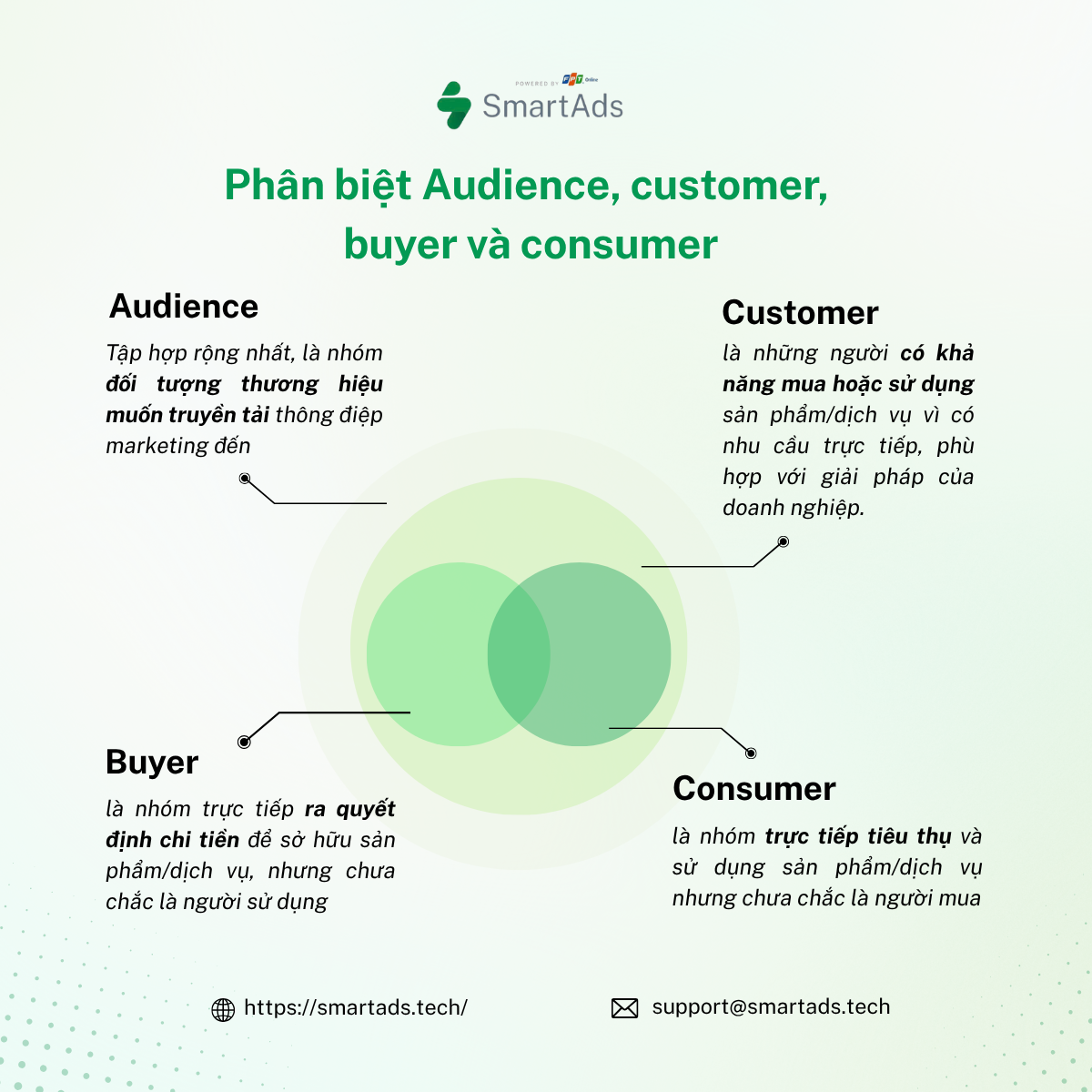
Nhìn chung, các khái niệm trên đều ám chỉ đến nhóm đối tượng mục tiêu của thương hiệu, tuy nhiên sẽ có sự khác biệt dựa trên hành vi tương tác và hành trình tiếp cận, cụ thể:
-
Target Audience: Đây là tập hợp rộng nhất – là nhóm người thương hiệu muốn truyền tải thông điệp marketing đến, bao gồm cả những người chưa chắc sẽ mua sản phẩm, nhưng có thể thấy, quan tâm, ảnh hưởng hoặc lan truyền thông điệp. Đối tượng này thường được mô tả chung theo nhân khẩu học (tuổi, giới tính, thu nhập, vị trí), tâm lý học (sở thích, lối sống), hành vi tiêu dùng.
-
Target Customer: Hay còn gọi là khách hàng mục tiêu, đây là nhóm nhỏ hơn nằm trong audience, là những người có khả năng sử dụng sản phẩm/dịch vụ vì có nhu cầu trực tiếp, phù hợp với giải pháp của doanh nghiệp. Đối tượng này ngoài kết hợp với mô tả chung với nhân khẩu học, thường được thương hiệu mô tả kèm chung với hành vi thực tế với kỳ vọng chuyển đổi từ “người quan tâm” thành “người dùng thật sự”.
-
Target Buyer: Hay còn gọi là người mua mục tiêu, đây là nhóm trực tiếp ra quyết định chi tiền để sở hữu sản phẩm/dịch vụ. Nhóm này có thể khác với người dùng cuối cùng, nhưng lại giữ vai trò quyết định trong giao dịch. Khi cân nhắc mua hàng, họ thường quan tâm nhiều đến các yếu tố thực tế như giá cả, lợi ích kinh tế, độ an toàn, độ bền hay tính tiện dụng, hơn là trải nghiệm cảm xúc. Do đó, việc thuyết phục target buyer thường tập trung vào lý do tài chính và giá trị đầu tư thay vì chỉ lợi ích sản phẩm mang lại cho người dùng.
-
Target Consumer: Hay còn gọi là người dùng mục tiêu, đây là nhóm trực tiếp tiêu thụ và sử dụng sản phẩm/dịch vụ. Họ có thể trùng hoặc không trùng với buyer, nhưng là nhân tố quyết định đến mức độ hài lòng và khả năng duy trì sản phẩm lâu dài. Consumer thường quan tâm đến tính năng, trải nghiệm, sự tiện lợi và giá trị thực tế mà sản phẩm mang lại trong quá trình sử dụng, do đó họ là trung tâm của việc đánh giá chất lượng và cải thiện dịch vụ. Khái niệm này có nhiều sự tương đồng với Target User, tuy nhiên Target User thường được áp dụng trong lĩnh vực công nghệ, dịch vụ phần mềm, còn Target Consumer thường được sử dụng trong lĩnh vực FMCG hoặc ngành hàng tiêu dùng.
Ví dụ: Một hãng sữa muốn bán sản phẩm sữa dinh dưỡng sẽ phân tích 4 khái niệm như sau:
-
Target Audience: đối tượng 25–40 tuổi, đã lập gia đình, sống ở thành phố, quan tâm đến sức khỏe gia đình.
-
Target Customer:
-
Phụ huynh: vì họ có nhu cầu tìm giải pháp dinh dưỡng cho con.
-
Trẻ em 6–10 tuổi: vì các bé có sở thích về hương vị, màu sắc, nhân vật hoạt hình trên bao bì và có thể chủ động đòi mẹ mua tại siêu thị hoặc cửa hàng tiện lợi.
-
-
Target Buyer: thường là bố hoặc mẹ – người trực tiếp rút ví chi tiền, cân nhắc giá cả, thương hiệu, khuyến mãi.
-
Target Consumer: vẫn là trẻ em 2–10 tuổi, là nhóm trực tiếp uống sữa, trải nghiệm hương vị, quyết định sản phẩm có được yêu thích và sử dụng lâu dài hay không.
Tổng kết sự khác biệt: tóm lại sự khác biệt giữa 4 khái niệm Audience - Customer - Buyer - User thể hiện qua 4 câu hỏi như sau:
-
Audience: Ai bạn muốn truyền thông đến?
-
Customer: Ai bạn muốn bán hàng cho?
-
Buyer: Ai bỏ tiền mua?
-
User: Ai trực tiếp sử dụng?
>>> Xem thêm về target market ở đây.
Lợi ích của việc xác định chính xác target audience là gì?
Hiệu quả marketing và tối ưu hóa nguồn lực
Xác định đúng target audience giúp marketer nhắm mục tiêu chuẩn xác, từ đó:
- Tiết kiệm đáng kể chi phí quảng cáo nhờ loại bỏ các nhóm không liên quan
- Tăng tỷ lệ chuyển đổi, giảm chi phí mỗi lượt tương tác hoặc mỗi lần bán hàng thành công
>>> Ngoài tính chi phí trên mỗi lượt tương tác, còn có những hình thức khác ở đây.
Tối ưu hóa nội dung và tăng tương tác
Một nội dung cá nhân hóa cho từng nhóm audience luôn đạt hiệu quả tương tác vượt trội. Checklist xây dựng nội dung theo mục tiêu gồm:
- Phân tích hành vi truy cập, lịch sử mua sắm, hành vi tương tác với các điểm chạm, các nội dung quan tâm
- Chọn hình thức quảng cáo phù hợp từng phân khúc, định dạng hiển thị ở thời điểm phù hợp nhất để đảm bảo khả năng ghi nhớ thông điệp
- Phân bổ ngân sách hợp lý trên từng điểm chạm
Nội dung đúng người – đúng kênh – đúng thời điểm sẽ giúp tăng thời gian tương tác, tỉ lệ chia sẻ, độ “ghi nhớ” thương hiệu trên thị trường.
Cần lưu ý gì khi xác định target audience?
Không nhắm mục tiêu quá rộng hoặc quá hẹp
Target quá rộng gây lãng phí ngân sách, quá hẹp làm “bỏ quên” tiềm năng tăng trưởng. Checklist cần cụ thể hóa:
-
Lọc kỹ đặc tính nhân khẩu học và sở thích
-
Phân nhóm hành vi dựa trên data thực
-
Kiểm tra khả năng tiếp cận và chuyển đổi ở từng nhóm nhỏ
Cập nhật thông tin và kết hợp nhiều phương pháp
Hành vi người dùng số thay đổi liên tục, đặc biệt sau biến động lớn như Covid-19. Nhiều doanh nghiệp đã thành công điều chỉnh audience kịp thời nhờ cập nhật liên tục dữ liệu từ các nền tảng. Ngoài ra không chỉ dựa vào giả định/chủ quan vì dữ liệu chung thực tế chỉ là nền tảng để đưa ra các fact dự đoán - chưa chắc là insight.
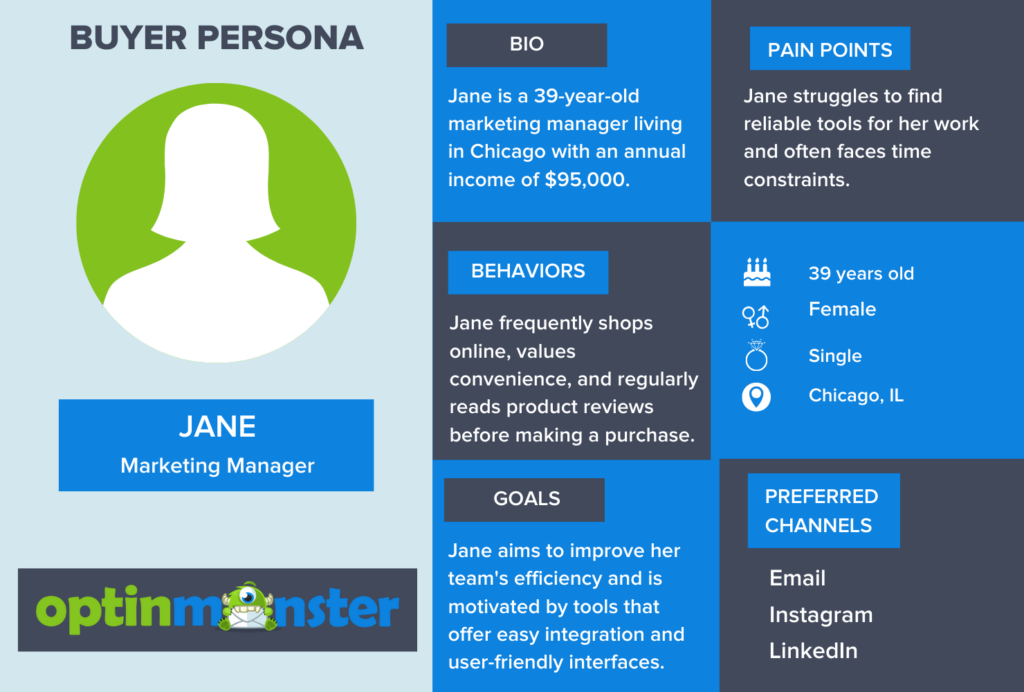
Xây dựng buyer persona và phân khúc khách hàng là cơ sở xác định target audience
Một buyer persona mẫu cần có:
-
Độ tuổi, thu nhập, vị trí địa lý
-
Mục tiêu, nỗi đau (pain-points)
-
Điểm chạm phù hợp, Hành vi số (thiết bị dùng, mạng xã hội ưa thích, phản ứng tương tác tại các điểm chạm)
-
Lý do quan tâm và cản trở khi mua hàng
Lưu ý, buyer persona là “bức chân dung chí tiết hóa” của một nhóm trong target audience. Marketer nên kết hợp cả hai để vẽ bản đồ truyền thông – nội dung – quảng cáo hiệu quả hơn.
Để xác định rõ target audience là gì, nên sử dụng bộ câu hỏi nào trong quá trình xây dựng buyer persona?
Để xây dựng Buyer Persona phù hợp với thương hiệu và sản phẩm, có thể tham khảo bộ câu hỏi tổng quan được phân thành 5 nhóm như sau:
#1. Thông tin nhân khẩu học và bối cảnh
-
Khách hàng bao nhiêu tuổi, giới tính gì?
-
Công việc và mức thu nhập chính của họ như thế nào?
-
Họ sống ở đâu (thành phố, ngoại ô, nông thôn)?
-
Họ đang sống cùng ai (gia đình, bạn bè, độc thân)?
-
Họ thường chi bao nhiêu ngân sách/tháng cho loại sản phẩm này?
#2. Động lực và nhu cầu
-
Động lực chính khiến khách hàng quan tâm đến sản phẩm/dịch vụ là gì?
-
Họ đang cố gắng giải quyết vấn đề gì?
-
Họ coi trọng yếu tố nào nhất khi lựa chọn (giá, chất lượng, thương hiệu, trải nghiệm, dịch vụ hậu mãi…)?
-
Lợi ích cảm tính: Khách hàng cảm thấy thế nào khi sử dụng sản phẩm? Có yên tâm, tự tin, thoải mái hoặc được quan tâm hơn không?
-
Lợi ích lý tính: Sản phẩm mang lại giá trị cụ thể nào? Có giúp họ tiết kiệm thời gian, chi phí, dễ sử dụng hoặc đạt hiệu quả rõ ràng không?
#3. Rào cản và lo ngại
-
Điều gì khiến khách hàng ngần ngại hoặc trì hoãn quyết định mua?
-
Họ từng có trải nghiệm chưa tốt nào với sản phẩm/dịch vụ tương tự không?
-
Trong quá trình sử dụng, khách hàng có thể gặp khó khăn gì?
-
Đã có giải pháp hỗ trợ nào (hướng dẫn, chăm sóc khách hàng, bảo hành…) giúp họ yên tâm chưa?
#4. Hành vi tương tác với các thông tin và quyết định mua
-
Khách hàng biết đến thương hiệu qua kênh nào?
-
Họ thường tìm thông tin về sản phẩm/dịch vụ ở đâu (Google, mạng xã hội, cửa hàng, bạn bè…)?
-
Họ có thường tham khảo review hoặc ý kiến của người khác trước khi mua không? Nếu có thì ở đâu?
-
Họ thường mua online hay trực tiếp tại cửa hàng?
-
Ai là người ảnh hưởng lớn nhất đến quyết định mua của họ (bạn bè, gia đình, đồng nghiệp)?
#5. Đánh giá thương hiệu và sản phẩm
-
Điểm nổi bật nào của sản phẩm/dịch vụ khiến khách hàng ấn tượng nhất so với đối thủ? (công nghệ riêng, tính năng vượt trội, trải nghiệm tốt hơn…)
-
Vì sao khách hàng nghĩ sản phẩm/dịch vụ này phù hợp với họ? (giải quyết đúng nhu cầu, bắt kịp xu hướng, giá trị dài hạn…)
-
Khách hàng có thấy mức giá hiện tại phù hợp không? (tương xứng chất lượng, hợp lý so với thị trường, nằm trong khả năng chi trả)
-
Lý do nào khiến họ tin tưởng thương hiệu này? (uy tín, cam kết, đánh giá tích cực, minh bạch thông tin)
-
Giá bán có phát sinh chi phí ẩn không? Chính sách chiết khấu/thương mại được áp dụng thế nào?
>>> Xem thêm các áp dụng buyer persona để xây dựng media plan tại đây.
Kết
Việc xác định target audience hiệu quả là nền tảng cho mọi chiến lược marketing bền vững. Doanh nghiệp nên định kỳ đánh giá lại quy trình tối ưu, cập nhật dữ liệu và liên tục thử nghiệm các công cụ mới. Thị trường tiếp thị đang vận động không ngừng, chỉ những người hiểu đúng và hành động kịp thời với target audience mới thực sự dẫn đầu.