1. Quảng cáo trên báo điện tử là gì?
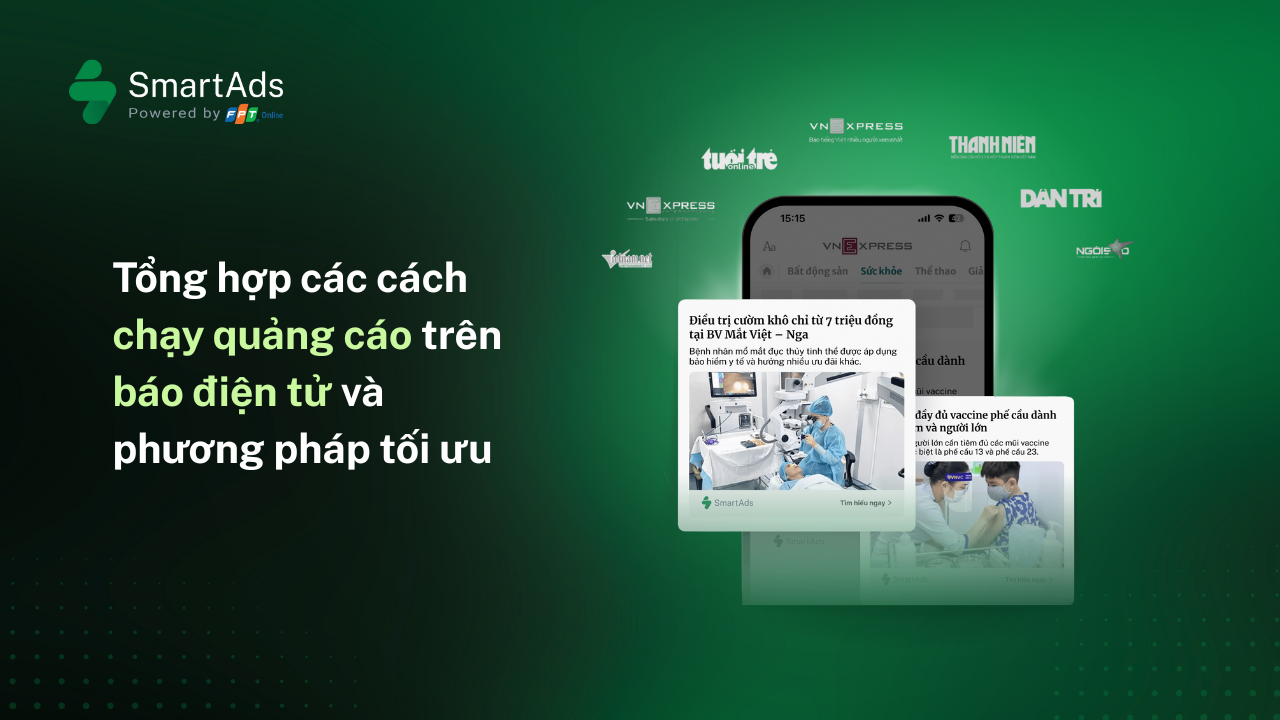
Quảng cáo trên báo điện tử là hình thức doanh nghiệp sử dụng các kênh truyền thông trực tuyến của báo chí để truyền tải thông điệp, quảng bá sản phẩm, dịch vụ hoặc thương hiệu đến độc giả.
Khác với báo in truyền thống, báo điện tử tận dụng lợi thế công nghệ số và lượng truy cập khổng lồ mỗi ngày để mang lại khả năng tiếp cận nhanh chóng, chính xác đến tệp khách hàng tiềm năng. Những tờ báo uy tín tại Việt Nam như VnExpress, Vietnamnet, Dân trí, Thanh Niên… có hàng triệu lượt truy cập hàng ngày, là môi trường lý tưởng để triển khai chiến dịch quảng cáo.
Điểm nổi bật của quảng cáo trên báo điện tử hiện nay là khả năng ứng dụng công nghệ phân tích dữ liệu với trí tuệ nhân tạo (AI). Nhờ đó, các tòa soạn có thể hiểu rõ hơn hành vi và sở thích của độc giả, từ đó phân phối quảng cáo phù hợp, tăng tính cá nhân hóa, nâng cao mức độ tương tác và xây dựng niềm tin với thương hiệu. Nhìn chung, đây vừa là kênh truyền thông uy tín, vừa là công cụ hiệu quả để doanh nghiệp nâng cao độ phủ thương hiệu, gia tăng traffic và tiếp cận khách hàng mục tiêu theo cách tự nhiên, đáng tin cậy hơn so với nhiều kênh quảng cáo khác.
2. Các hình thức quảng cáo phổ biến trên báo điện tử
Quảng cáo trên báo điện tử đa dạng về định dạng, phù hợp với nhiều mục tiêu truyền thông khác nhau:
2.1. Banner quảng cáo
Định dạng: ảnh tĩnh (JPG/PNG) hoặc động (GIF/HTML5).
Vị trí phổ biến: đầu trang (masthead/super banner), giữa bài (in-article/in-read), sidebar, cuối trang, flyer, interscroller hoặc toàn trang (full page).

Nên sử dụng banner khi nào?
- Tăng độ phủ/nhận diện nhanh (Awareness Burst): ra mắt sản phẩm/mùa sale/sự kiện, cần “phủ” rộng trong thời gian ngắn (ưu tiên masthead, homepage takeover, sticky).
-
Đẩy traffic ngắn hạn: kéo người dùng về landing page, trang khuyến mãi (ưu tiên in-article hoặc near-content để tăng khả năng chú ý).
-
Không nên sử dụng khi nội dung sản phẩm/dịch vụ cần giải thích dài, quy trình phức tạp, thay vào đó ưu tiên bài PR, advertorial hoặc video dài. Hoặc trường hợp ngân sách quá hạn chế vì khá nhiều nền tảng hiện này chỉ bán banner theo hình thức CPD cố định với chi phí gói cao.
2.2. Quảng cáo văn bản (Text link)
Định dạng: liên kết văn bản (anchor text) hoặc hộp văn bản ngắn, kèm link trỏ về website/landing page.
Vị trí phổ biến: cuối bài viết, giữa nội dung, trong box gợi ý hoặc danh sách liên quan.
Trên thực tế, hình thức này cũng dần khan hiếm do nhu cầu giảm: nhiều báo lớn hiện nay đã hạn chế hoặc loại bỏ text link để tập trung vào format quảng cáo có giá trị hiển thị và doanh thu cao hơn hoặc bài PR kết hợp Backlink.
Nên sử dụng quảng cáo văn bản khi nào?
-
Khi ngân sách hạn chế: cần tối ưu chi phí vì text link thường rẻ hơn banner và PR.
-
Hỗ trợ SEO & traffic: đặc biệt hữu ích nếu báo cho phép đặt link dofollow về website, giúp tăng organic traffic và cải thiện thứ hạng tìm kiếm.
-
Phù hợp chiến dịch dài hạn: muốn duy trì sự hiện diện liên tục với mức chi phí thấp, không phụ thuộc nhiều vào thiết kế hình ảnh.
-
Không nên sử dụng khi cần hiệu ứng thị giác mạnh hoặc thu hút ngay lập tức (ra mắt sản phẩm, khuyến mãi lớn) vì text link khó gây chú ý bằng banner/video.
2.3. Bài PR (Advertorial / Public Relations)
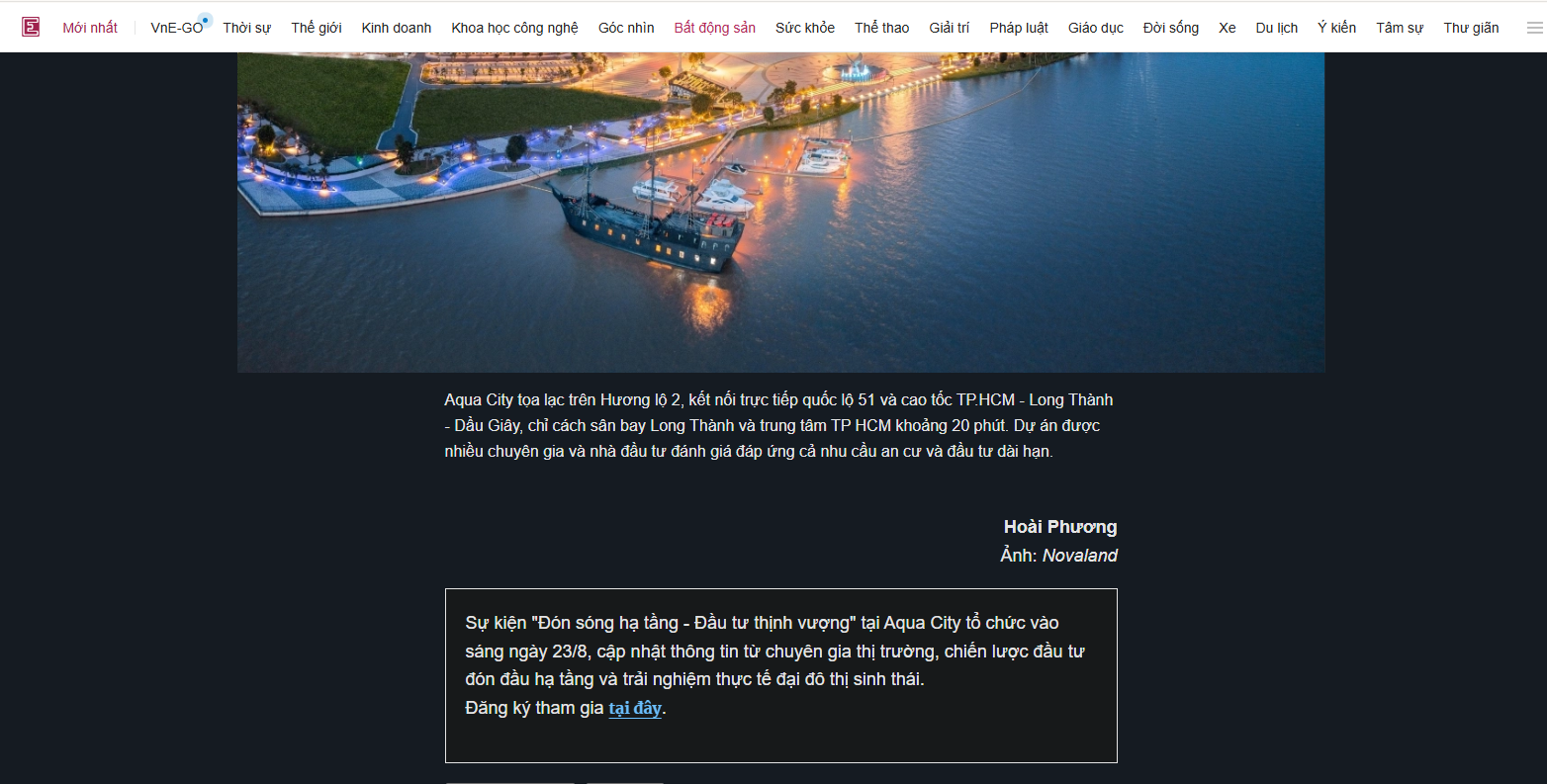
Định dạng: Bài viết chuyên sâu được đăng trên báo điện tử hoặc tạp chí online, kết hợp giữa thông tin hữu ích và yếu tố quảng bá thương hiệu. Nội dung thường mang tính phân tích, cung cấp giải pháp, chia sẻ kiến thức… nhưng vẫn lồng ghép khéo léo sản phẩm/dịch vụ.
Vị trí phổ biến: Trang chuyên mục phù hợp với ngành hàng, box nổi bật, hoặc xuất hiện trên trang chủ của publisher.
Nhìn chung, đây được xem là một trong những hình thức quảng cáo bền vững nhất vì vừa hỗ trợ tối ưu SEO offsite khi kết hợp backlink, vừa tăng độ tin cậy nhờ độ uy tín từ các publisher lớn. Tuy nhiên, chi phí thường cao và đòi hỏi đầu tư nội dung chất lượng, có chiều sâu, tránh lối viết quảng cáo quá lộ liễu.
Nên sử dụng bài PR khi nào?
-
Khi muốn xây dựng hình ảnh thương hiệu: đặc biệt trong giai đoạn cần tạo độ tin cậy, củng cố uy tín với khách hàng.
-
Hỗ trợ SEO và branding dài hạn: backlink từ báo uy tín giúp cải thiện thứ hạng tìm kiếm và tăng organic traffic ổn định.
-
Không nên sử dụng khi mục tiêu chính là tạo chuyển đổi ngay lập tức (bán hàng nhanh, thúc đẩy khuyến mãi) vì hiệu quả của PR thiên về niềm tin, hình ảnh hơn là click/impression tức thì.
2.4. Quảng cáo Video (TVC online)
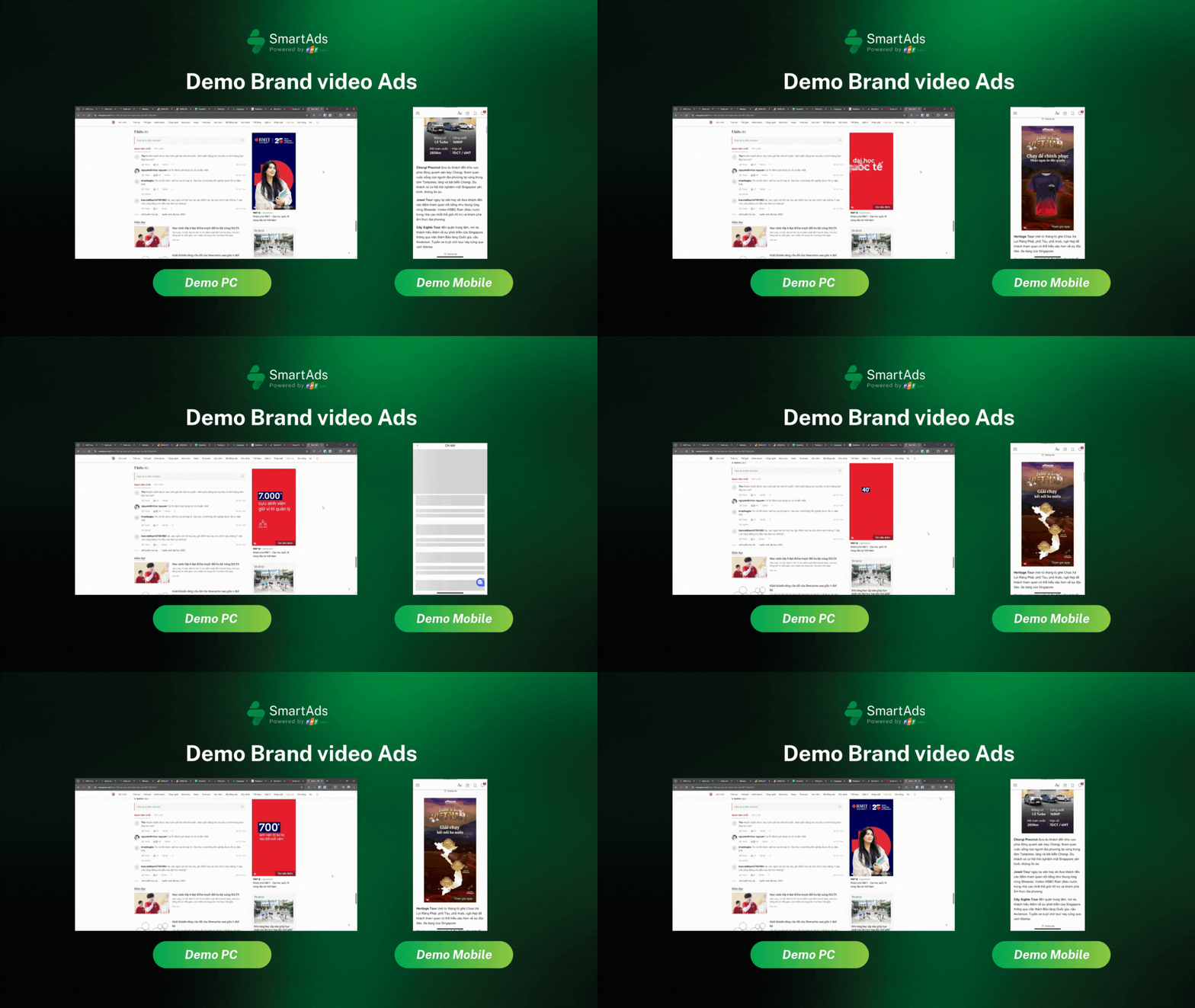
Định dạng: Video quảng cáo ngắn (thường 6–30 giây) được hiển thị khi người dùng truy cập vào báo điện tử. Có thể tự động phát (autoplay) hoặc hiển thị trong player kèm nội dung.
Vị trí phổ biến: Trước, giữa hoặc sau video của báo; trong khung hiển thị nổi bật (in-read, in-stream); hoặc xen giữa nội dung bài viết. Hình thức này đang trở thành một trong những format chủ lực trên báo điện tử nhờ khả năng truyền tải cảm xúc, kể chuyện thương hiệu và thu hút sự chú ý mạnh mẽ. Tuy nhiên, nếu xuất hiện quá thường xuyên hoặc không có lựa chọn skip, các TVC online có thể tạo cảm giác khó chịu cho người dùng.
Nên sử dụng quảng cáo video khi nào?
-
Khi muốn tạo hiệu ứng thị giác và âm thanh mạnh: phù hợp với chiến dịch ra mắt sản phẩm, giới thiệu tính năng mới hoặc quảng bá sự kiện lớn.
-
Xây dựng cảm xúc và độ nhận diện thương hiệu: đặc biệt hiệu quả với ngành hàng tiêu dùng nhanh, thời trang, làm đẹp, xe cộ.
-
Khi cần thông điệp súc tích và lan tỏa nhanh: video ngắn dễ tiếp cận và ghi nhớ hơn so với banner tĩnh hoặc text.
-
Không nên sử dụng nếu ngân sách hạn chế vì chi phí sản xuất và hiển thị video cao hơn text/banner.
2.5. Quảng cáo ở luồng in-read trong chuyên mục hoặc hộp tin tài trợ
Định dạng: Thương hiệu xuất hiện dưới dạng đồng hành cùng chuyên mục (ví dụ: Tài chính, Đời sống, Thể thao, Công nghệ…) hoặc trong box tin tài trợ (sponsored box) được thiết kế nổi bật.
Vị trí phổ biến: Ngay trong luồng đọc (in-read) của bài báo, tại chuyên mục cố định, hộp tin tài trợ hoặc mục ngắt trang (breakpage).
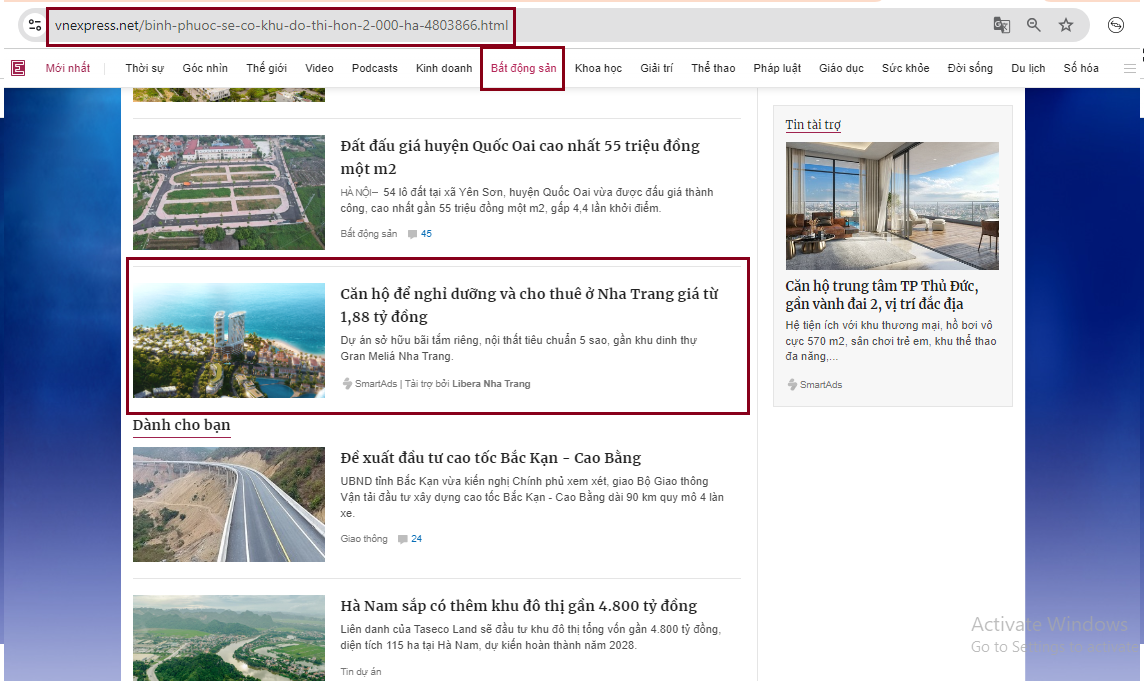
Nên sử dụng quảng cáo in-read / breakpage / sponsored box khi nào?
-
Khi muốn xuất hiện trong dòng chảy đọc tự nhiên như quảng cáo native: người dùng đang tập trung đọc nội dung chuyên môn (Tài chính, Đời sống, Thể thao…) sẽ dễ tiếp nhận thông điệp thương hiệu hơn.
-
Khi thương hiệu muốn gắn liền với nội dung người dùng thực sự quan tâm: giúp tăng độ liên tưởng và mức độ ghi nhớ.
-
Khi cần tận dụng uy tín của publisher/chuyên mục để nâng tầm hình ảnh: đặc biệt hiệu quả với ngành cần niềm tin như tài chính, bảo hiểm, y tế, giáo dục.
2.6. Popup hoặc sticky ads ở chân trang
Định dạng: Quảng cáo hiển thị dưới dạng popup (dạng cửa sổ nổi khi người dùng truy cập trang) hoặc sticky ads(banner cố định ở chân/trên màn hình khi người dùng cuộn trang). Nội dung thường là banner tĩnh, động hoặc video ngắn kèm CTA.
Vị trí phổ biến: Xuất hiện ngay khi người dùng mở báo (popup) hoặc bám cố định ở vị trí cuối màn hình (sticky footer), đảm bảo luôn nằm trong tầm nhìn của độc giả.
Trên thực tế, đây là một trong những định dạng có tỷ lệ hiển thị (viewability) cao nhất do không thể bỏ qua về mặt thị giác. Tuy nhiên, popup có thể gây khó chịu nếu chặn nội dung chính, trong khi sticky ads nếu thiết kế quá dày đặc sẽ làm giảm trải nghiệm đọc.
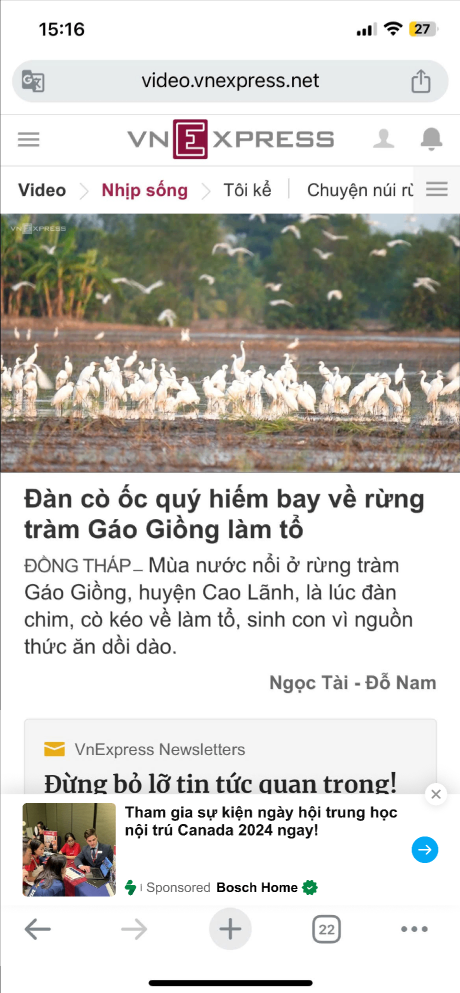
Nên sử dụng popup/sticky ads khi nào?
-
Khi cần tối đa hóa độ hiển thị: phù hợp với các chiến dịch ra mắt sản phẩm, khuyến mãi ngắn hạn hoặc CTA mạnh (đăng ký, tải app, tham gia sự kiện).
-
Khi muốn đảm bảo thương hiệu luôn trong tầm nhìn trong suốt hành vi đọc và cuộn trang của người dùng.
-
Khi hướng đến đối tượng đọc báo trên mobile: sticky footer đặc biệt hiệu quả do màn hình nhỏ, dễ thu hút sự chú ý.
Không nên sử dụng nếu ưu tiên trải nghiệm người dùng hoặc mục tiêu là xây dựng uy tín lâu dài, vì popup/sticky ads dễ bị xem là “gây phiền nhiễu” nếu lặp lại quá nhiều hoặc không có thông điệp rõ ràng.
2.7. Quảng cáo tương tác (Interactive Ads: Flash card hoặc Spinner)
Định dạng: Quảng cáo cho phép người dùng chủ động tương tác với nội dung, thay vì chỉ xem thụ động. Phổ biến dưới dạng flash card (người dùng lật để xem thông tin/hình ảnh tiếp theo) hoặc spinner (vòng quay may mắn, mini-game).
Vị trí phổ biến: Tích hợp ngay trong luồng nội dung (in-read), trong box tài trợ, hoặc xuất hiện như một module riêng nổi bật trên trang báo.
Trên thực tế, interactive ads được đánh giá cao nhờ khả năng tăng mức độ tham gia (engagement), kéo dài thời gian ở lại trang và tạo trải nghiệm tích cực với thương hiệu. Tuy nhiên, định dạng này yêu cầu publisher hỗ trợ kỹ thuật và thương hiệu phải đầu tư sáng tạo nhiều hơn, dẫn đến chi phí cao.
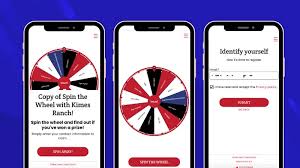
Nên sử dụng interactive ads khi nào?
-
Khi muốn tăng tương tác và trải nghiệm thương hiệu thay vì chỉ hiển thị thông tin một chiều.
-
Khi cần thu thập insight hoặc data người dùng (qua mini game, trắc nghiệm, quay số, chọn đáp án…).
-
Khi nhắm đến khách hàng trẻ, thích trải nghiệm mới: phù hợp với ngành hàng F&B, thời trang, làm đẹp, công nghệ, giải trí.
Không nên sử dụng nếu mục tiêu chính chỉ là hiển thị đơn thuần (impression, reach) hoặc ngân sách hạn chế, vì interactive ads đòi hỏi chi phí sáng tạo và triển khai cao hơn so với banner/video truyền thống.
3. Các phương thức triển khai quảng cáo
Để triển khai quảng cáo trên báo điện tử, doanh nghiệp có thể lựa chọn qua các kênh sau:
3.1. Quảng cáo qua Google Display Network (GDN)
Đây là hình thức cho phép quảng cáo hiển thị trên nhiều báo điện tử (publisher) liên kết với Google AdSense.
-
Ưu điểm: linh hoạt, dễ targeting theo hành vi và dễ sử dụng.
-
Nhược điểm: không kiểm soát chính xác từng trang báo, fill rate và ad request được gọi lên trang nào vào phụ thuộc hoàn toàn vào Google, dễ thất thoát ngân sách nếu vô tình quảng cáo bị rơi vào publisher ảo.
3.2 Quảng cáo qua các Adnetwork
Một số adnetwork lớn tại Việt Nam:
-
Admicro (thuộc VCCorp): mạnh về mạng lưới Cafef, Cafebiz, GenK, Kenh14…, độ phủ lớn trong mảng tài chính, giới trẻ, công nghệ.
-
Adtima (thuộc VNG): tập trung vào Zing News, Zalo, Zing MP3…, phù hợp giới trẻ, âm nhạc, giải trí.
-
SmartAds (Tiền thân là Eclick, thuộc FPT Online): đối tác lớn của VnExpress, Dân trí, Vietnamnet…, giúp doanh nghiệp tiếp cận tệp độc giả chất lượng, độ tin cậy cao.
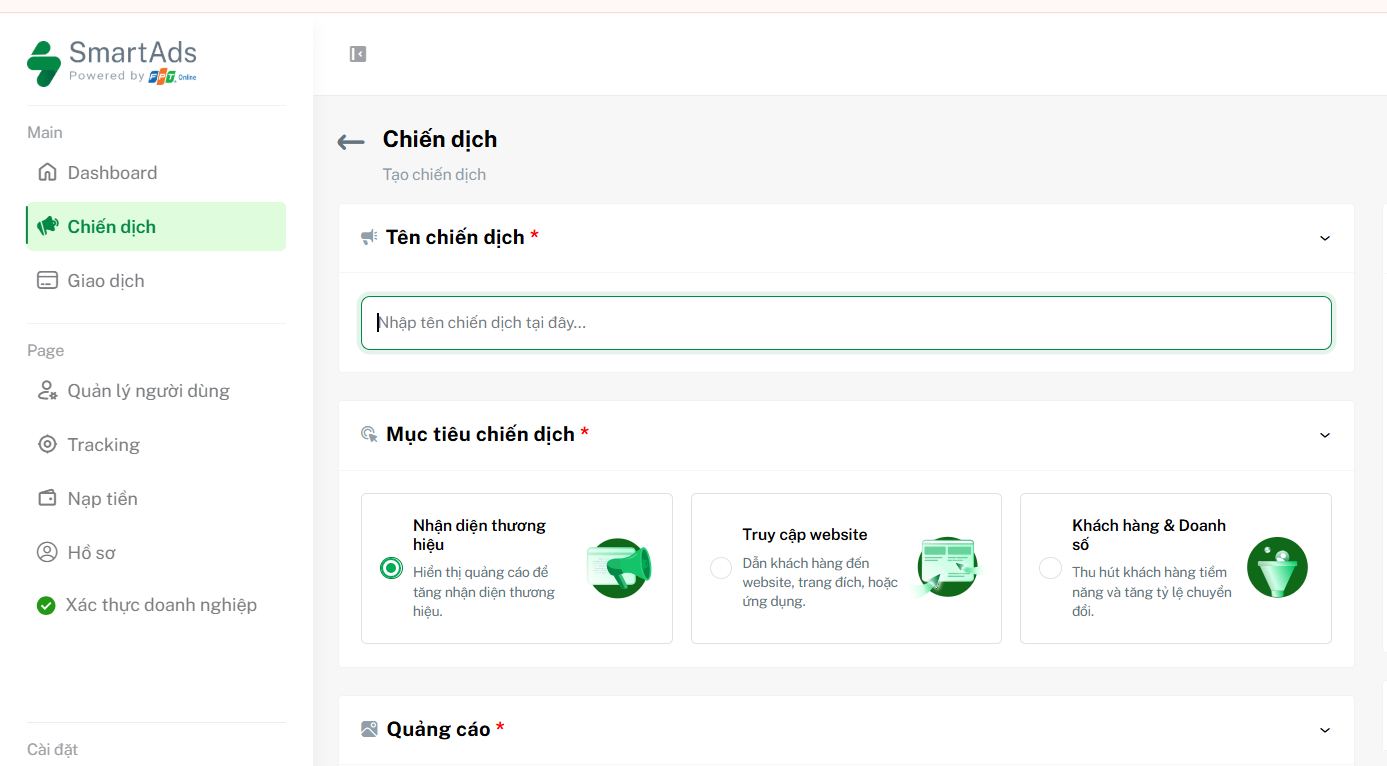
>>> Tạo tài khoản SmartAds tại đây để trải nghiệm setup chiến dịch quảng cáo trên báo điện tử.
Ưu điểm:
-
Kiểm soát tốt inventory: doanh nghiệp có thể chọn cụ thể báo, chuyên mục, thậm chí vị trí hiển thị (prime banner, in-read, popup…) thay vì phụ thuộc phân phối ngẫu nhiên như GDN.
-
Fill rate cao tại báo trọng điểm: vì adnetwork thường có hợp đồng độc quyền hoặc quan hệ đối tác chặt chẽ với publisher lớn (VnExpress, Dân trí, Zing News…), đảm bảo quảng cáo được hiển thị ổn định.
-
Độ tin cậy & brand safety tốt hơn: quảng cáo xuất hiện trên các báo chính thống được kiểm duyệt kỹ càng giúp nâng cao uy tín thương hiệu, môi trường quảng cáo minh bạch.
-
Hỗ trợ định dạng quảng cáo đa dạng: từ banner, native, in-read, video đến PR, phù hợp nhiều mục tiêu khác nhau.
Nhược điểm:
-
Chi phí booking không cố định và ít linh hoạt: nhiều adnetwork yêu cầu mức chi tối thiểu hoặc hợp đồng theo gói, không phù hợp với test nhỏ lẻ.
-
Quy trình triển khai lẫn kiểm duyệt thường phức tạp hơn: cần trao đổi với sales để ký hợp đồng và lên kế hoạch booking trước, qua khâu kiểm duyệt giấy phép nhiều lớp và không thể tự bật/tắt nhanh như GDN.
3.3. Booking trực tiếp với báo điện tử
Doanh nghiệp làm việc trực tiếp với tòa soạn hoặc bộ phận kinh doanh quảng cáo của báo điện tử để đặt các hình thức quảng cáo như banner fullpage cố định, bài PR hoặc tài trợ chuyên mục. Đây là kênh truyền thống và vẫn phổ biến với các thương hiệu lớn.
Ưu điểm:
-
Được chọn vị trí VIP và độc quyền: dễ dàng tiếp cận các vị trí prime (trang chủ, top chuyên mục, sticky banner, popup…) hoặc tài trợ độc quyền một chuyên mục, tăng độ phủ và uy tín.
-
Branding mạnh mẽ: xuất hiện trực tiếp trên báo uy tín, gắn thương hiệu với nội dung chính thống, tạo sự tin cậy với độc giả.
Nhược điểm:
-
Ít linh hoạt về ngân sách: thường yêu cầu ngân sách tối thiểu hoặc booking theo gói, thậm chí giới hạn chỉ bán theo hình thức CPD không phù hợp cho test nhỏ lẻ.
>>> Ngoài CPD, còn nhiều cơ chế tính phí quảng cáo trực tuyến khác tại đây.
-
Số lượng slot hạn chế: các vị trí VIP hoặc chuyên mục hot thường phải đặt trước và nhanh chóng “cháy hàng”.
-
Không tối ưu tự động như GDN: thiếu khả năng target chi tiết theo hành vi hoặc real-time bidding, hiệu quả phụ thuộc nhiều vào nội dung và uy tín báo.
-
Chi phí cao: đặc biệt với banner trang chủ, TVC autoplay hoặc tài trợ chuyên mục độc quyền.
4. Các bước cần thực hiện khi chạy quảng cáo trên báo điện tử
Bước 1: Xác định mục tiêu và ngân sách
-
Mục tiêu: nhận diện thương hiệu, kéo traffic, hoặc tăng doanh số.
-
Ngân sách: xác định mức chi cho từng định dạng (banner, PR, GDN…).
Bước 2: Lựa chọn báo điện tử phù hợp
Khi lựa chọn báo điện tử, doanh nghiệp cần cân nhắc đối tượng độc giả và hành vi đọc để đảm bảo thông điệp xuất hiện đúng ngữ cảnh, đúng người. Ví dụ:
-
VnExpress, Dân trí, Vietnamnet,...: phù hợp đối tượng có thu nhập trung – cao, có xu hướng quan tâm tài chính, giáo dục, bất động sản, kinh doanh,.. nên thích hợp cho chiến dịch xây dựng uy tín và thương hiệu cao cấp.
-
Kenh14, Zing News, Soha...: lại thu hút giới trẻ, sinh viên, ưa chuộng nội dung giải trí, xu hướng, phù hợp với các sản phẩm F&B, thời trang, công nghệ hoặc chiến dịch viral.
Bước 3: Thiết kế nội dung quảng cáo
Nội dung quyết định trực tiếp đến việc người dùng có dừng lại, ghi nhớ hay hành động theo thông điệp của thương hiệu. Do đó, thiết kế quảng cáo cần cân bằng giữa thẩm mỹ – thông điệp – trải nghiệm đọc.
-
Quảng cáo hiển thị (banner, video, sticky): hình ảnh phải rõ ràng, thông điệp ngắn gọn, tập trung 1–2 key message, kèm CTA mạnh mẽ để thúc đẩy hành động ngay.
-
Bài PR/Advertorial: cần tối ưu SEO (từ khóa, heading, backlink) và áp dụng storytelling để giữ chân người đọc, tạo cảm xúc và niềm tin thay vì chỉ truyền tải thông tin khô cứng.
-
Tối ưu đa nền tảng: đảm bảo hình ảnh, text và CTA hiển thị tốt trên cả desktop và mobile, vì hành vi đọc báo điện tử hiện nay chủ yếu đến từ thiết bị di động.
>>> Xem thêm cách thiết kế banner ads thu hút với text dưới 20%.
Bước 4: Chọn vị trí đặt quảng cáo
Vị trí hiển thị ảnh hưởng trực tiếp đến khả năng người dùng chú ý và click vào quảng cáo. Doanh nghiệp cần cân nhắc giữa độ nổi bật, trải nghiệm đọc và ngân sách.
-
Vị trí đầu trang (top banner, masthead): dễ gây chú ý, CTR cao nhưng chi phí thường đắt và cạnh tranh.
-
Trong nội dung (in-read, native ads): hòa nhập với trải nghiệm đọc, tăng mức độ gắn kết và tỉ lệ tương tác tự nhiên.
-
Near-article (cuối bài, sidebar, box gợi ý): tiếp cận người đọc ngay sau khi họ hoàn tất nội dung, phù hợp để chốt CTA hoặc remarketing.
Bước 5: Theo dõi và đo lường hiệu quả
Các chỉ số cần quan tâm: impressions, CTR, CPC, số lượt truy cập website, conversion. Ngoài ra cần kết hợp Google Analytics hoặc dashboard của Adnetwork để theo dõi liên tục.
5. Vậy chi phí quảng cáo trên báo là bao nhiêu?
Trong hệ sinh thái báo điện tử, mỗi publisher sở hữu tập độc giả, hành vi tiêu thụ nội dung và mức độ cạnh tranh quảng cáo khác nhau. Sự khác biệt này dẫn đến sự chênh lệch về chi phí quảng cáo theo từng site, từng nhóm vị trí và từng định dạng hiển thị, thay vì tồn tại một mức giá cố định áp dụng chung cho toàn thị trường.
Hiện tại, hệ thống SmartAds đang triển khai quảng cáo trên nhiều publisher lớn như Thanh Niên, Tuổi Trẻ, Ngôi Sao, Vietnamnet, Dân Trí, 24H, với cấu trúc giá linh hoạt theo từng site và từng format (Native Ads, Display Ads, Brand Video…). Dưới đây là bảng giá tham khảo:
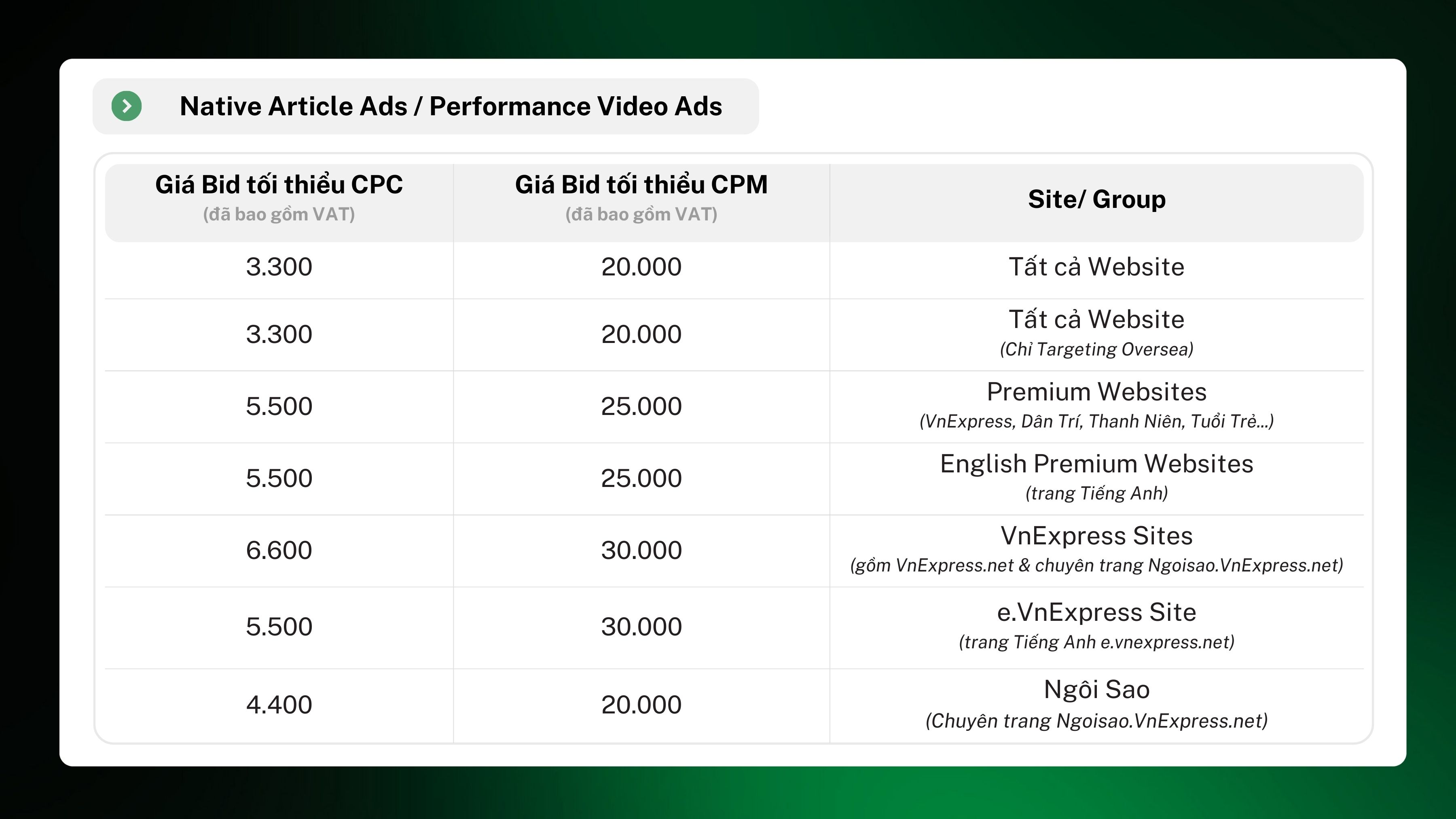
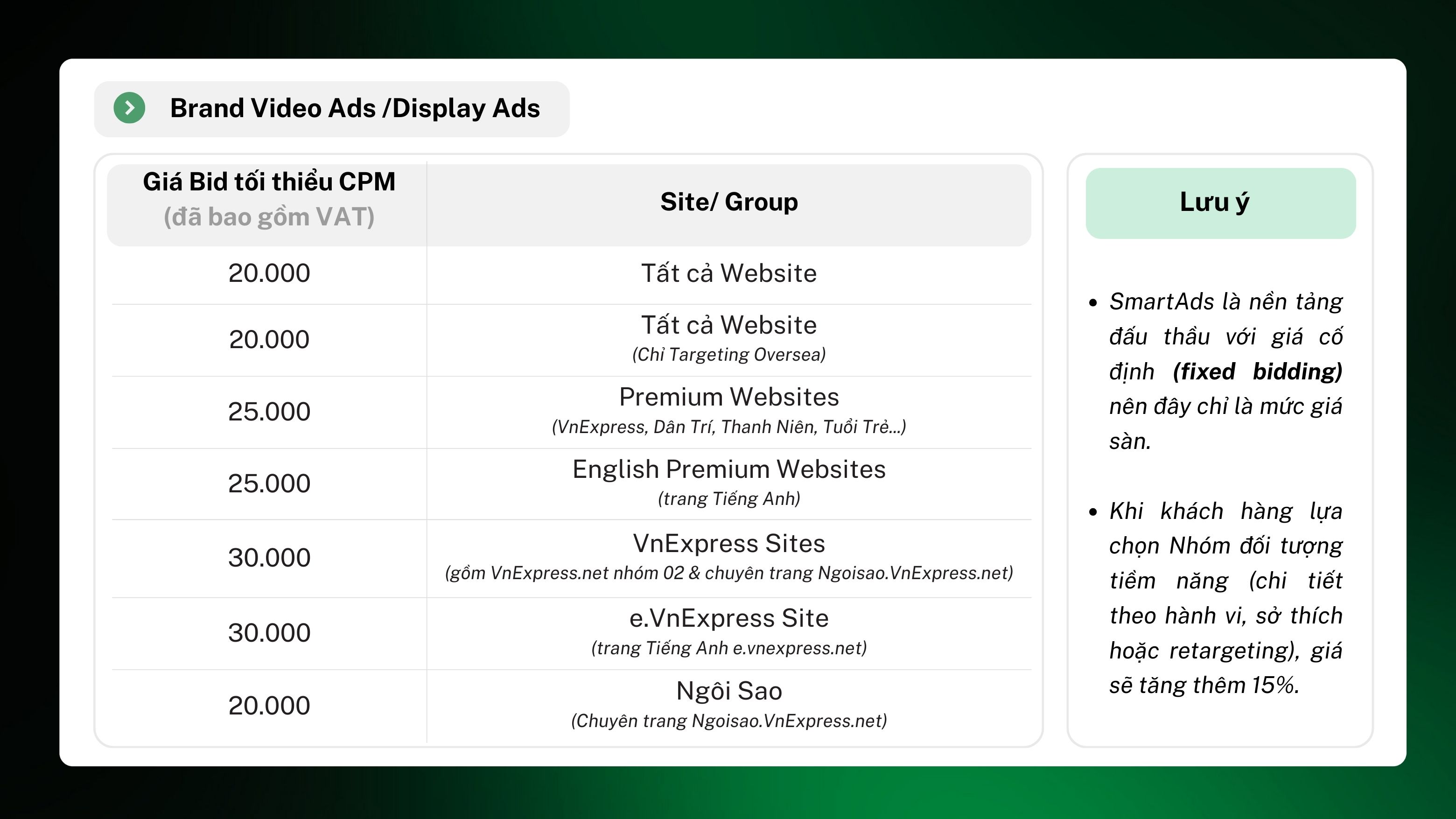
Các bảng giá ở trên được đề cập trong bài viết chỉ mang tính chất tham khảo, phản ánh mức giá sàn (minimum bid) đang được SmartAds áp dụng tại thời điểm hiện tại cho từng định dạng quảng cáo và từng nhóm publisher trong hệ thống. Trên thực tế, mỗi đơn vị xuất bản sẽ có mức chi phí, cách phân nhóm inventory và chính sách bán khác nhau, tùy thuộc vào chất lượng traffic, tệp độc giả và mức độ cạnh tranh theo từng thời điểm.
Nhìn chung, chi phí triển khai quảng cáo trong hệ thống SmartAds nói chung và các hệ thống quảng cáo khác nói riêng thường không có một con số cố định. Mức ngân sách thực tế có thể thay đổi dựa trên phạm vi nhắm chọn, hình thức target theo ngữ cảnh, hành vi người dùng hoặc retargeting, nhằm cân bằng giữa độ phủ, chất lượng tiếp cận và hiệu quả đầu tư cho từng chiến dịch.
-
Tối ưu từ chiến lược tiếp cận độc giả: Quảng cáo trên báo điện tử không chỉ là mua traffic, mà là mua bối cảnh đọc tin. Do đó cần phân tầng mục tiêu rõ ràng theo trải nghiệm đọc của khách hàng, ví dụ: với mục tiêu Awareness cần phủ đa kênh, đa chuyên mục; với Consideration có thể phủ ở chuyên mục ngách, bài phân tích, long-form; với mục tiêu Conversion có thể retarget người đã đọc, đã tương tác hoặc đã xem landing page.
-
Lựa chọn định dạng quảng cáo phù hợp: Mỗi định dạng quảng cáo trên báo điện tử đại diện cho một cách tương tác khác nhau với nội dung. Vì vậy, việc lựa chọn format cần bám sát mức độ sẵn sàng tiếp nhận thông tin của người đọc ở từng giai đoạn. Chẳng hạn, với mục tiêu Brand Awareness, các định dạng có độ hiển thị cao như Display hoặc Brand Video, Native Ads giúp thương hiệu xuất hiện liên tục trong quá trình đọc tin, tạo ghi nhớ nền.
-
Tối ưu từ nội dung quảng cáo: Trong môi trường báo điện tử, người dùng đang ở trạng thái đọc và tiếp nhận thông tin, không phải trạng thái mua sắm. Do đó, nội dung quảng cáo cần được thiết kế để hòa vào mạch đọc thay vì cắt ngang trải nghiệm. Chẳng hạn, thông điệp nên xuất phát từ insight hoặc vấn đề mà người đọc quan tâm, sử dụng ngôn ngữ trung tính, mang tính thông tin hoặc phân tích, thay vì giọng bán hàng trực diện.
-
Phân bổ ngân sách linh hoạt và có chủ đích: Khi Quảng cáo trên báo điện tử không nên dồn toàn bộ ngân sách vào một publisher hoặc một định dạng duy nhất. Việc phân bổ ngân sách hợp lý giúp thương hiệu vừa đảm bảo độ phủ, vừa có dư địa để thử nghiệm và tối ưu. Thông thường, ngân sách nên được chia thành ba phần: một phần cho các publisher và format đã chứng minh hiệu quả, một phần cho các kênh tiềm năng nhằm mở rộng độ phủ, và một phần nhỏ dành cho testing A/B về thông điệp, hình ảnh hoặc chuyên mục. Cách làm này giúp chiến dịch linh hoạt điều chỉnh theo dữ liệu thực tế thay vì phụ thuộc vào giả định ban đầu.
7. Checklist lưu ý khi chạy quảng cáo trên báo điện tử
Để chiến dịch đạt hiệu quả cao và duy trì uy tín thương hiệu, doanh nghiệp cần chú ý một số điểm quan trọng sau:
-
Minh bạch và tuân thủ pháp luật: nội dung quảng cáo phải rõ ràng, không đưa thông tin gây hiểu lầm, đặc biệt trong các ngành nhạy cảm như tài chính, y tế, bất động sản.
-
Ngôn ngữ dễ tiếp cận: tránh dùng quá nhiều thuật ngữ chuyên ngành hoặc từ ngữ phức tạp khiến độc giả khó hiểu, giảm hiệu quả truyền thông.
-
Đảm bảo trải nghiệm người đọc: không lạm dụng định dạng gây khó chịu (ví dụ: popup quá dày đặc), cần cân bằng giữa hiệu quả hiển thị và mức độ chấp nhận của người dùng.
-
Kết hợp đa dạng định dạng: phối hợp banner, PR, native ads, video… để tăng tần suất tiếp cận và tạo hành trình nhận diện liền mạch thay vì chỉ phụ thuộc một loại quảng cáo.
-
Theo dõi & tối ưu liên tục: đo lường CTR, time-on-site, conversion để điều chỉnh vị trí, nội dung và ngân sách kịp thời.
Kết luận
Quảng cáo trên báo điện tử là kênh quan trọng giúp thương hiệu nâng cao uy tín và tiếp cận đúng khách hàng. Điều quan trọng nhất không chỉ là làm sao để chạy quảng cáo trên báo điện tử, mà còn là cách đo lường, tối ưu liên tục để đảm bảo mỗi đồng ngân sách bỏ ra mang lại giá trị tối đa.
Về SmartAds
SmartAds, tiền thân là eClick, được phát triển bởi FPT Online – một trong những đơn vị hàng đầu trong lĩnh vực công nghệ và truyền thông số tại Việt Nam. Trải qua quá trình đổi mới và phát triển, với mạng lưới hợp tác cùng các premium publisher hàng đầu, SmartAds khẳng định vị thế tiên phong trong việc nâng cao chuẩn mực quảng cáo native tại thị trường Việt Nam, đồng thời kỳ vọng trở thành đối tác đáng tin cậy cùng thương hiệu trong hành trình chinh phục khách hàng. Nếu bạn đang tìm kiếm một giải pháp quảng cáo tối ưu nhận diện và hiệu suất, đừng ngần ngại tạo tài khoản và trải nghiệm setup chiến dịch trên SmartAds tại đây.