Display ads là gì?
Display ads, hay còn gọi là quảng cáo hiển thị, là dạng quảng cáo xuất hiện dưới nhiều định dạng trên các website, ứng dụng hay mạng xã hội. Không chỉ dừng lại ở banner đơn thuần, quảng cáo hiển thị có thể là hình ảnh tĩnh, động, văn bản, video clip hoặc rich media (chứa thành phần tương tác như minigame, hiệu ứng động).
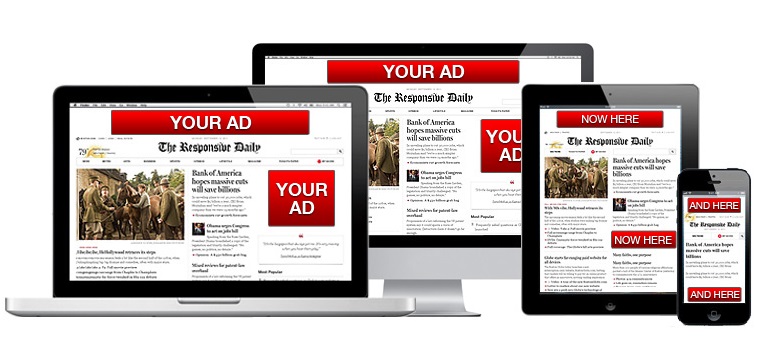
Ví dụ thực tế: Khi truy cập một trang tin tức, bạn dễ dàng bắt gặp banner cỡ lớn trên đầu trang, một đoạn video chạy tự động nằm xen giữa bài, hay hình ảnh sản phẩm hiển thị dưới cuối trang. Đó đều là các loại display ads.
Quảng cáo hiển thị tập trung vào việc xây dựng nhận diện thương hiệu, tạo điểm chạm với khách hàng mục tiêu và dẫn dắt họ đến hành động (mua hàng, đăng ký, tải app…). Nếu search ads (quảng cáo tìm kiếm) tiếp cận người dùng dựa trên từ khóa có chủ đích, thì display ads thường xuất hiện để gợi mở nhu cầu, kéo dài sự hiện diện và nâng cao tỷ lệ chuyển đổi.
Cách hoạt động của Display Ads (Quảng cáo hiển thị)
-
Hình ảnh trực quan: Display ads sử dụng hình ảnh, video hoặc yếu tố tương tác để thu hút sự chú ý của người dùng trên các publisher là chủ blog, website và ứng dụng bên thứ ba.
-
Vị trí hiển thị: Quảng cáo có thể xuất hiện ở nhiều vị trí trên trang web, chẳng hạn như banner phía trên, bên cạnh trang, trong nội dung hoặc ở các định dạng khác như native ads.
-
Nhắm chọn mục tiêu: advertiser (Nhà quảng cáo) là các thương hiệu có thể tận dụng các tính năng như nhắm chọn theo ngữ cảnh, từ khóa, hành vi,... và phân khúc đối tượng hoặc remarketing để hiển thị quảng cáo đến đúng nhóm khách hàng, ở những giai đoạn khác nhau trong hành trình mua hàng.
-
Lời kêu gọi hành động (CTA): Một CTA rõ ràng và thuyết phục đính kèm trên banner hoặc trên layout quảng cáo sẽ khuyến khích người dùng nhấp vào, dẫn họ đến landing page, từ đó thu hút sự chú ý đến thương hiệu, là cơ hội tăng mức độ tương tác và khả năng chuyển đổi.
Điểm khác biệt của display ads với các loại quảng cáo khác
Display ads nổi bật nhờ phạm vi hiển thị rộng, định dạng đa dạng (hình ảnh, video, rich media…), khả năng targeting chi tiết đối tượng mục tiêu và đo lường tức thì. Dù không nhắm khách hàng theo ý định tìm kiếm như search ads, display ads lại hiệu quả vượt trội khi mục tiêu là xây dựng thương hiệu hay remarketing. Phân bổ nguồn lực hợp lý giữa hai hình thức này sẽ giúp doanh nghiệp tận dụng sức mạnh đa kênh.
Các phân loại display ads phổ biến
Hiểu rõ các định dạng giúp marketer chọn giải pháp phù hợp nhất cho mục tiêu.
#1. Banner ads
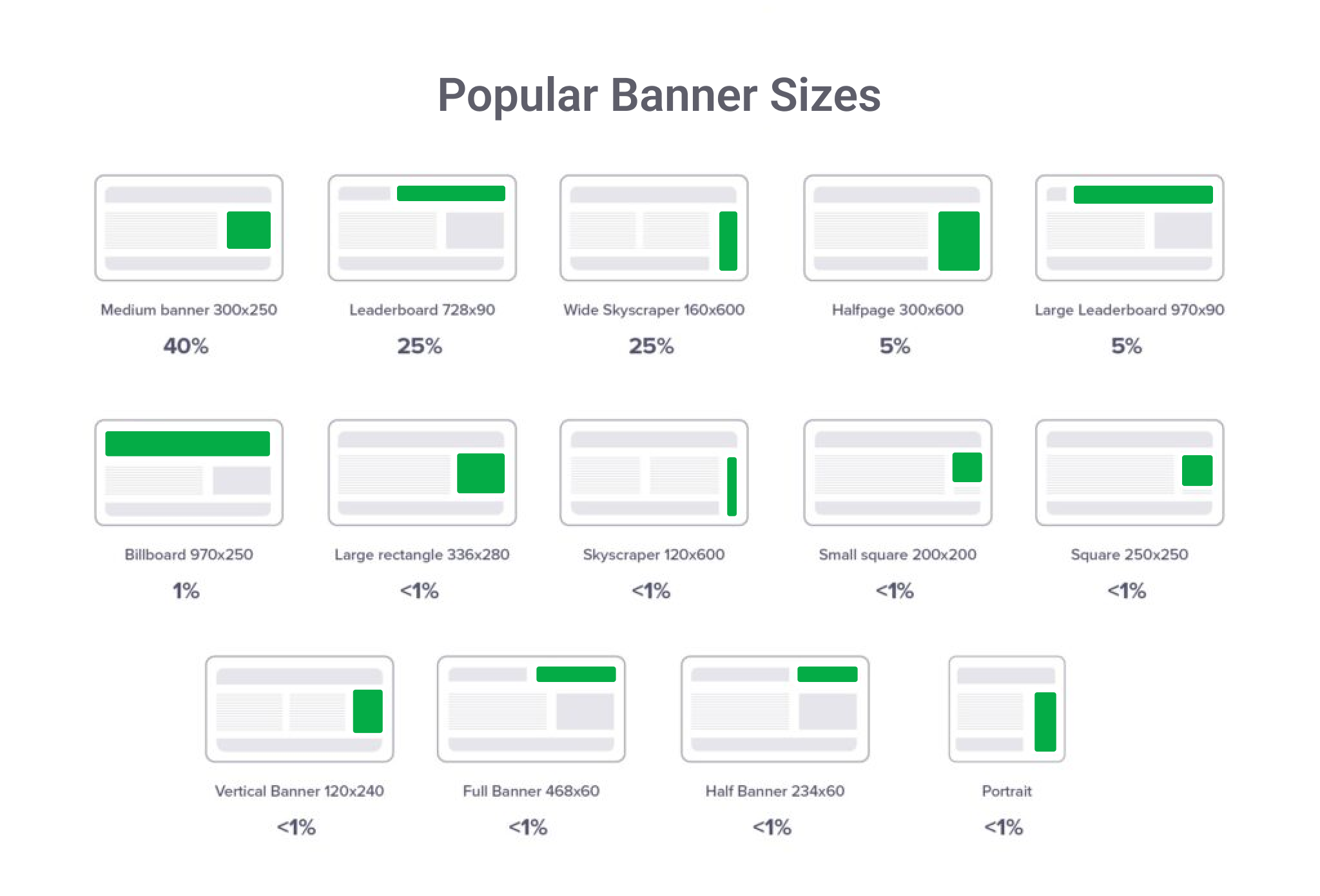
Banner hay còn gọi là standard banner (banner tiêu chuẩn), là định dạng xuất hiện lâu đời và phổ biến nhất, với các kích thước chuẩn như leaderboard (728x90px), skyscraper (160x600px), vuông (250x250px) hoặc rectangle (300x250px). Banner ads hiện vẫn chiếm hơn 40% tổng ngân sách quảng cáo hiển thị tại Việt Nam năm 2024, minh chứng cho sức sống lâu dài và khả năng tiếp cận vượt trội của định dạng này.
#2. Interstitial ads
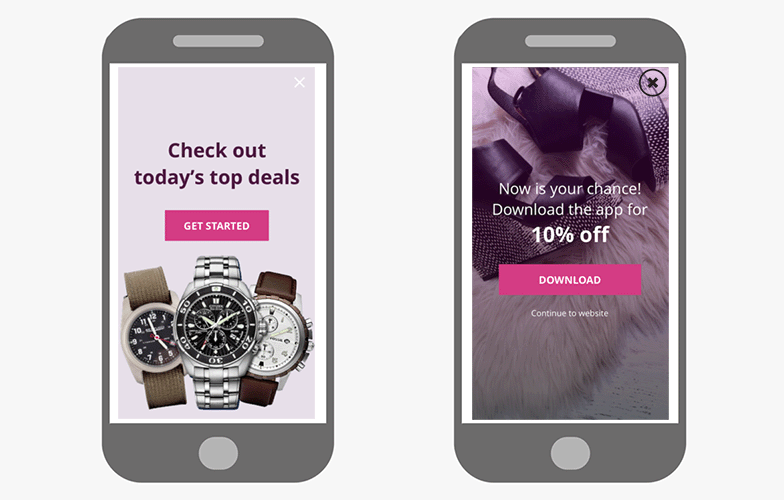
Đây là quảng cáo toàn màn hình thường xuất hiện khi chuyển đổi giữa các trang hoặc trước khi truy cập nội dung chính, đặc biệt phổ biến trên mobile app. Hiệu quả gây chú ý cao vì lượt impression hầu như là viewable - nằm trong khu vực dễ hình thấy, với CTR gần như cao nhất tuy nhiên dễ bị tắt nếu xuất hiện quá thường xuyên. Ngoài ra vì xuất hiện toàn màn hình nên dễ thu hút spam do click nhầm hoặc các tương tác không có ý nghĩa về mặt dữ liệu. do đó marketer phải kiểm soát tần suất phù hợp để tránh gây khó chịu.
#3. Native ads
Native ads là quảng cáo hòa quyện vào nội dung trang đến mức khó phân biệt với nội dung biên tập, tạo trải nghiệm liền mạch cho người dùng. Các vị trí thường gặp gồm: bài viết tài trợ, in-feed, promoted listings, breakpage,...
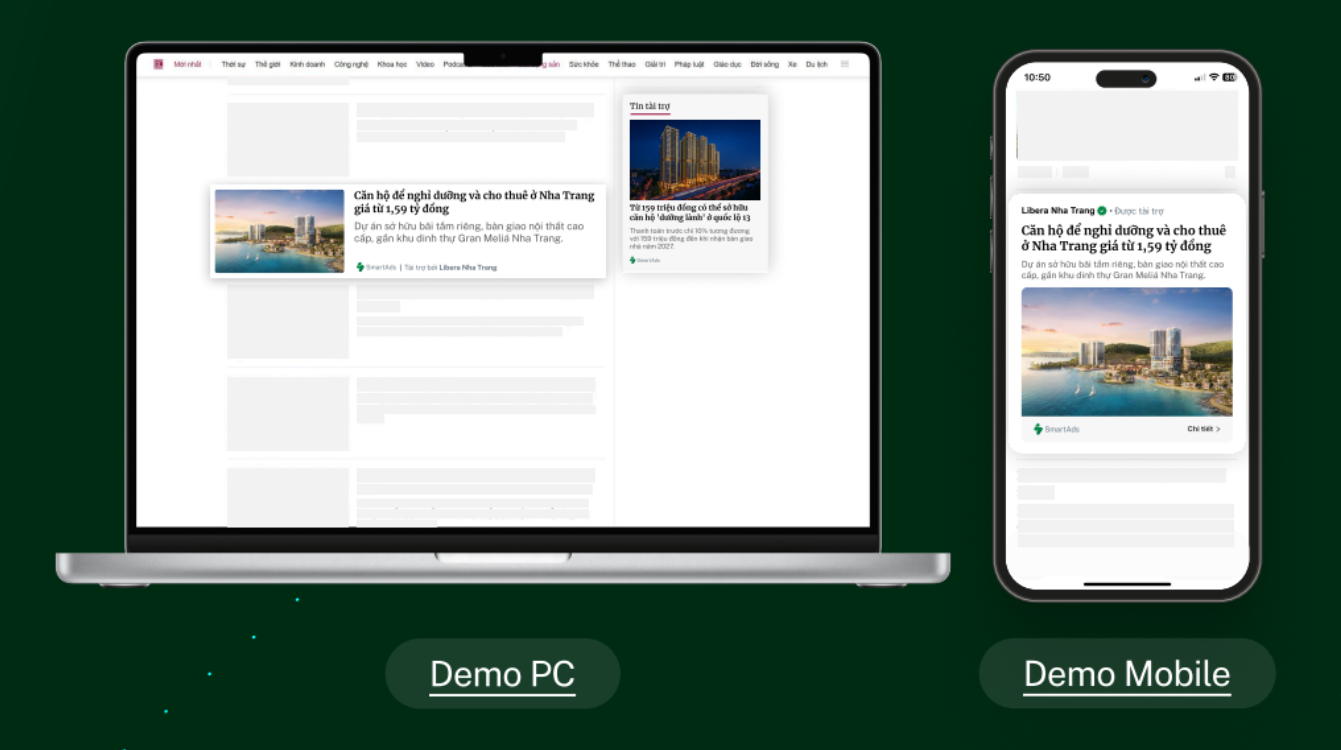
Nhờ tính tự nhiên và không gây gián đoạn, native ads giúp người dùng tiếp nhận thông điệp một cách thoải mái hơn, từ đó tăng khả năng tương tác. Hơn nữa, khi được triển khai đúng ngữ cảnh, loại quảng cáo này không chỉ thu hút sự chú ý mà còn củng cố niềm tin vào thương hiệu.
#4. Video ads
Do thói quen người dùng ngày càng thích xem video, quảng cáo display video như pre-roll, mid-roll, out-stream đôi khi chiếm ưu thế rõ rệt. Nhờ kết hợp hình ảnh, âm thanh và chuyển động, video ads truyền tải thông điệp nhanh chóng và giàu cảm xúc hơn so với định dạng tĩnh. Khi nội dung đủ hấp dẫn trong những giây đầu tiên, người xem có xu hướng ở lại đến hết video, tăng khả năng ghi nhớ thương hiệu.

Ngoài ra, video ads còn cho phép kể chuyện (storytelling) mạch lạc, dẫn dắt người dùng qua hành trình trải nghiệm sản phẩm. Nếu được tối ưu về độ dài, chất lượng hình ảnh và phân phối đúng đối tượng, video ads có thể tạo ra tỷ lệ chuyển đổi vượt trội.
#5. Rich media ads
Rich media là các quảng cáo tương tác nâng cao, như xoay 360 độ, hiệu ứng động, minigame, làm tăng trải nghiệm và thời gian tương tác của khách hàng, nhưng chi phí sản xuất lớn hơn so với banner thường.
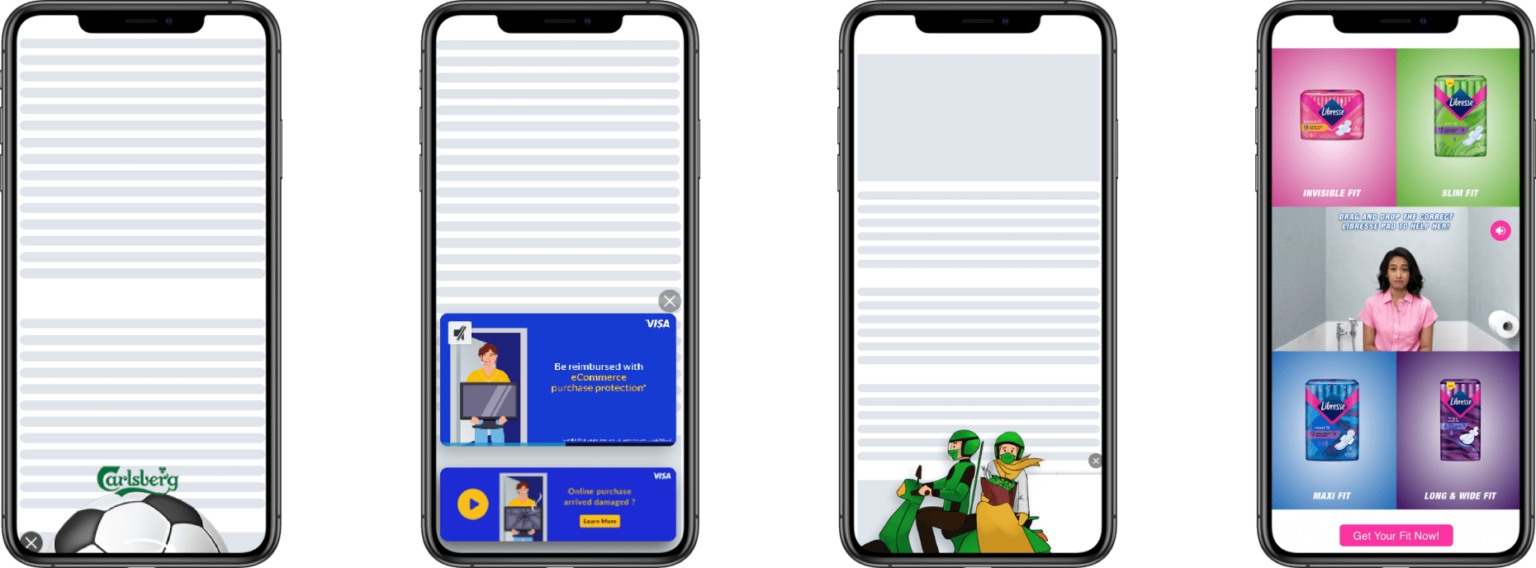
Nhờ yếu tố tương tác, rich media giúp thương hiệu kể câu chuyện một cách sinh động và cuốn hút hơn, từ đó tạo ấn tượng sâu đậm trong tâm trí người xem. Loại quảng cáo này đặc biệt phù hợp cho các chiến dịch ra mắt sản phẩm mới hoặc cần trình diễn tính năng phức tạp. Tuy nhiên, để đạt hiệu quả tối đa, cần đảm bảo thời gian tải nhanh và khả năng tương thích với nhiều thiết bị, tránh gây gián đoạn trải nghiệm người dùng.
#6. Sticky footer ads
Sticky footer ads là dạng quảng cáo cố định ở cuối màn hình khi người dùng cuộn trang, đảm bảo thông điệp luôn hiển thị mà không gây gián đoạn trải nghiệm đọc. Vị trí này giúp thương hiệu duy trì sự hiện diện liên tục, đặc biệt hiệu quả với các CTA như “Mua ngay”, “Đăng ký”, hoặc “Nhận ưu đãi”. Nhờ luôn nằm trong tầm nhìn, sticky footer ads tạo cơ hội cao để người dùng tương tác mà không cần phải cuộn ngược lại. Khi thiết kế gọn gàng, màu sắc hài hòa và nội dung ngắn gọn, quảng cáo dạng này có thể tăng đáng kể tỷ lệ nhấp (CTR).
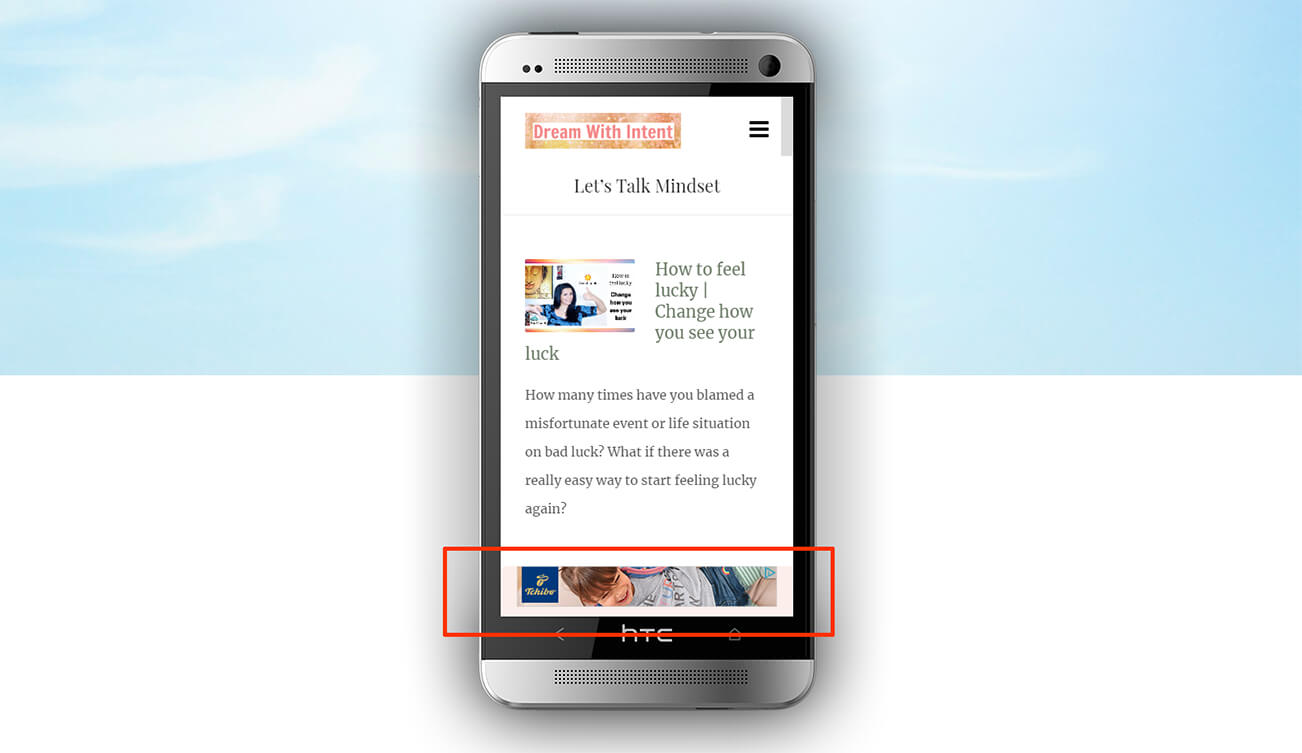
Ngoài ra, sticky footer ads còn phù hợp cho cả desktop và mobile, đảm bảo khả năng hiển thị đồng nhất trên nhiều thiết bị. Tuy nhiên, nếu không tối ưu kích thước hoặc tần suất, loại quảng cáo này có thể gây cảm giác “che khuất” nội dung, ảnh hưởng trải nghiệm người dùng. Vì vậy, việc cân bằng giữa mức độ nổi bật và sự tinh tế là yếu tố quyết định hiệu quả của sticky footer ads.
>>> Định dạng Display Ads trên SmartAds có lợi thế gì so với các nền tảng khác?
Lợi ích và ưu điểm nổi bật của display ads
Display ads không chỉ phát huy vai trò dẫn dắt cảm xúc, mà còn là công cụ thúc đẩy các mục tiêu:
Tăng nhận diện thương hiệu
Display ads có thể phủ sóng trên nhiều nền tảng, từ web tới mobile app và mạng xã hội từ đó thu hút sự chú ý và tạo cơ hội cho các chiến dịch chuyển đổi.
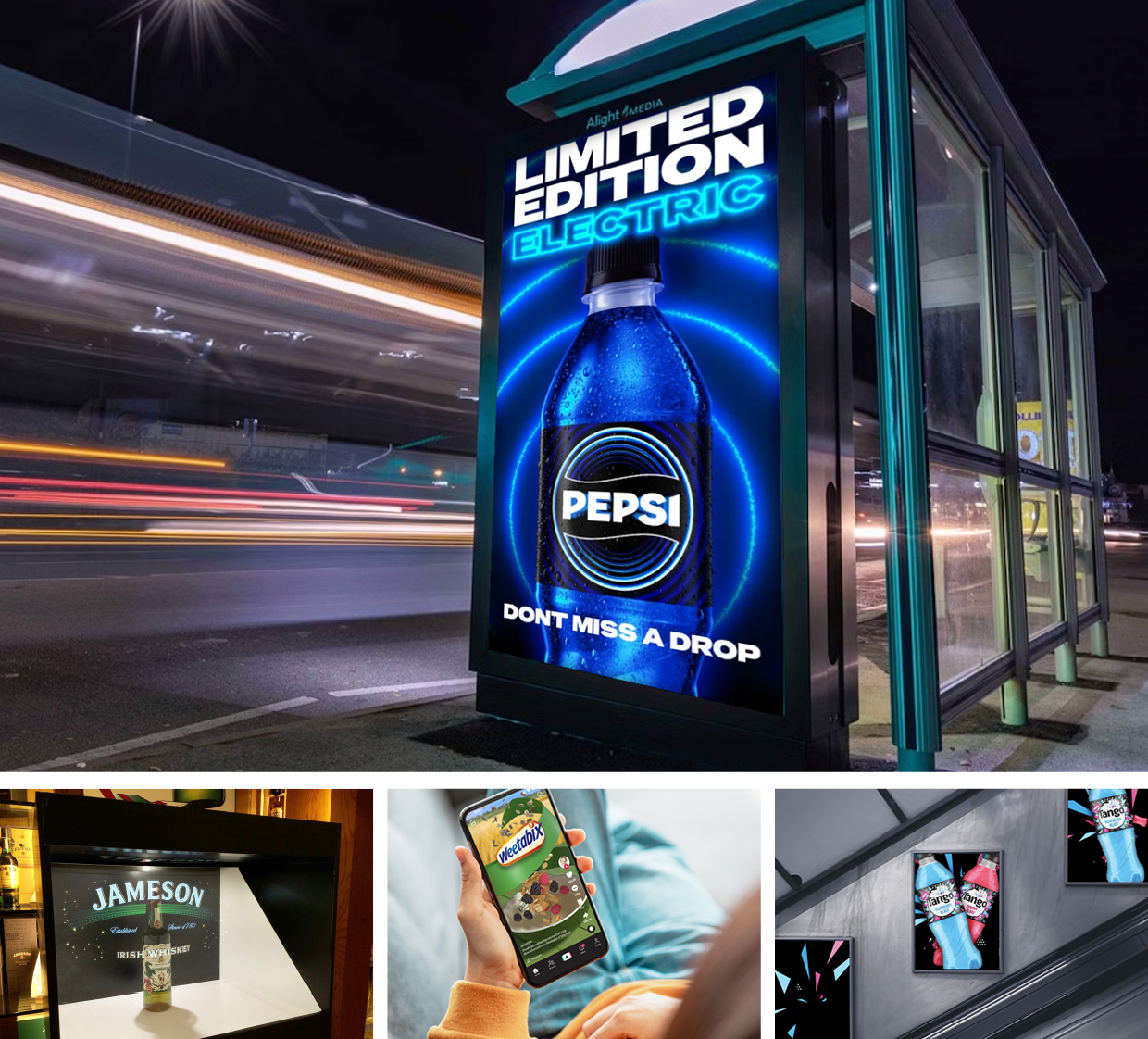
Trong bối cảnh số hóa, display ads tăng trưởng nhanh chóng nhờ phạm vi tiếp cận lớn, khả năng cá nhân hóa và đo lường chi tiết hiệu quả của từng đồng ngân sách nhờ gắn UTM trực tiếp trên website để theo dõi hành vi tương tác của khách hàng.
Tiếp cận khách hàng mục tiêu & ứng dụng targeting
Các nền tảng lớn như Google Display Network, Facebook Audience Network hay SmartAds tối ưu hóa phân phối nhờ AI, cho phép targeting theo độ tuổi, vị trí, sở thích, hành vi, remarketing… Từ đó, ngân sách quảng cáo được sử dụng đúng người đúng thời điểm.
Tối ưu chi phí & đo lường hiệu quả dễ dàng
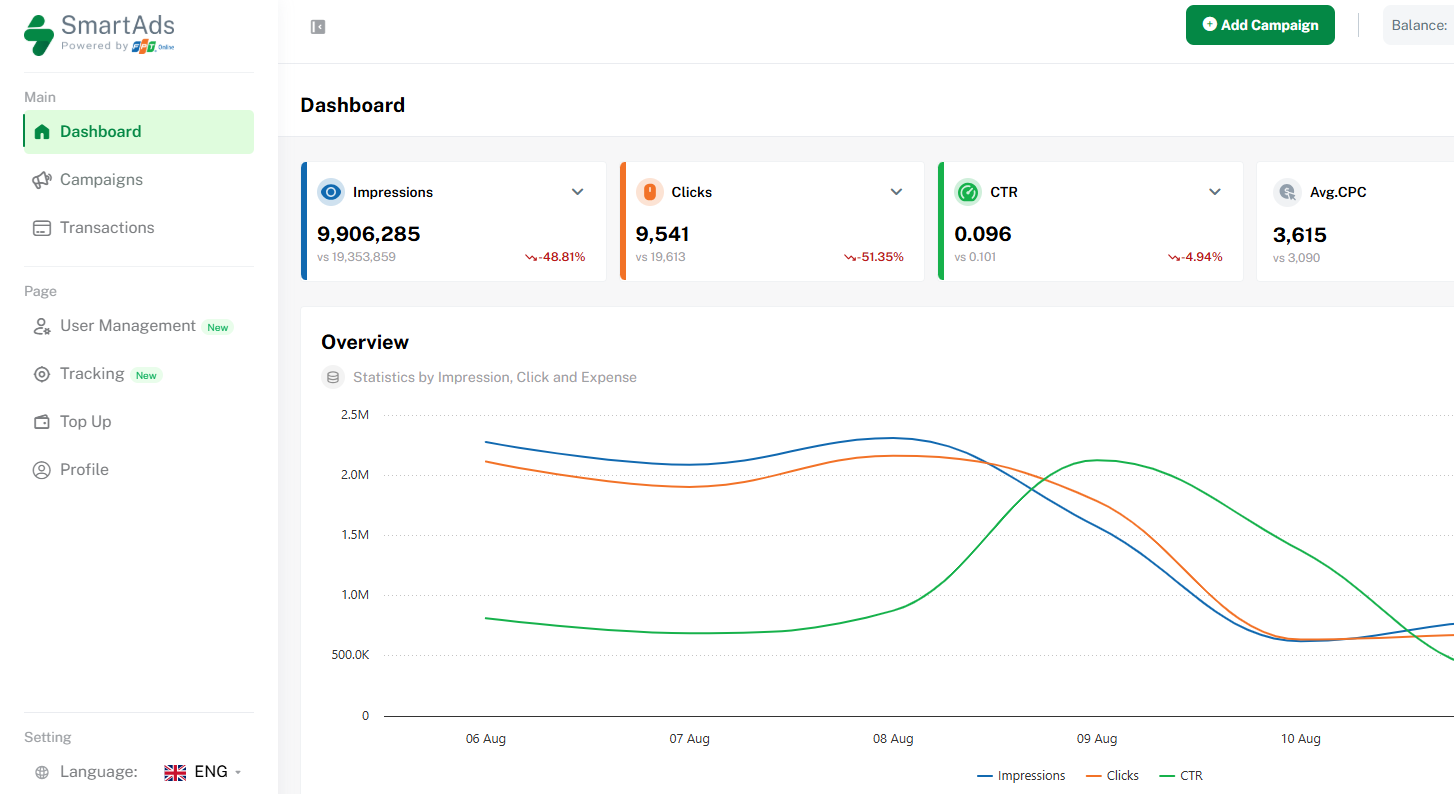
Với mô hình thanh toán linh hoạt (CPC, CPM, CPA), doanh nghiệp chủ động tối ưu theo mục tiêu chiến dịch. Các chỉ số như CTR, impression, conversion rate,... cũng được cập nhật tức thì trên dashboard theo dõi chiến dịch.
Tăng tương tác và chuyển đổi
Quảng cáo tạo điểm chạm sinh động, cá nhân hóa nội dung, CTA mạnh mẽ giúp tăng tỷ lệ click và chuyển đổi thực tế.
Các lưu ý khi triển khai chiến dịch display ads để tối ưu hiệu suất
-
Chọn vị trí hiển thị phù hợp: Cần xác định rõ website, app liên quan chặt chẽ với khách hàng mục tiêu để tránh lãng phí ngân sách.
-
Thiết kế quảng cáo hấp dẫn, chuyên nghiệp: Bao gồm hình ảnh rõ nét, thông điệp ngắn gọn, CTA nổi bật.
-
Lựa chọn định dạng hợp lý: Tùy mục tiêu và ngân sách, kết hợp nhiều định dạng (native, banner, video, rich media) để khuếch đại hiệu quả.
-
Theo dõi, đo lường và tối ưu liên tục: có thể dùng công cụ hỗ trợ báo cáo real-time như SmartAds dashboard để A/B testing, tối ưu targeting, ngân sách từng ngày.
-
Tuân thủ quy định quảng cáo & bảo vệ thương hiệu: Tránh nội dung gây hiểu nhầm, hình ảnh vi phạm, đảm bảo quyền riêng tư và bảo vệ dữ liệu khách hàng.
-
Gắn UTM để theo dõi chính xác nguồn traffic: Sử dụng tham số UTM trong tất cả đường dẫn quảng cáo để biết rõ người dùng đến từ kênh, định dạng hoặc chiến dịch nào.
-
Đo lường hành vi người dùng sau click: Phân tích các chỉ số như thời gian trên trang, số trang xem, tỷ lệ thoát, hành động chuyển đổi để đánh giá chất lượng traffic.
-
So sánh hiệu quả giữa các định dạng quảng cáo: Đánh giá CTR, CPC, CPA của từng format (banner, native, video, sticky footer…) để nhận diện đâu là định dạng mang lại hiệu suất tốt nhất.
-
Đánh giá độ phù hợp của format với mục tiêu: Ví dụ, nếu muốn tăng nhận diện, ưu tiên video hoặc interstitial; nếu muốn thúc đẩy chuyển đổi, có thể chọn sticky footer hoặc native ads có CTA mạnh.
-
Điều chỉnh chiến lược phân phối: Dựa vào dữ liệu thu thập, tinh chỉnh tần suất, khung giờ và đối tượng hiển thị để tối ưu cho chiến dịch tiếp theo.
Nhìn chung, quảng cáo display đang là một công cụ quan trọng trong các chiến lược Digital Marketing, nhưng để khai thác hiệu quả thì không hề dễ dàng. Doanh nghiệp cần xây dựng chiến dịch đúng hướng, kết hợp đo lường và tối ưu liên tục, để từ đó mở ra nhiều cơ hội để bứt phá trong hành trình chinh phục khách hàng online.
Về SmartAds, tiền thân là eClick, được phát triển bởi FPT Online – một trong những đơn vị tiên phong trong lĩnh vực công nghệ và truyền thông số tại Việt Nam. Trải qua quá trình đổi mới và phát triển, với mạng lưới hợp tác cùng các premium publisher hàng đầu, SmartAds khẳng định vị thế tiên phong trong việc áp dụng giải pháp brandformance tại thị trường Việt Nam, đồng thời kỳ vọng trở thành đối tác đáng tin cậy cùng thương hiệu trong hành trình chinh phục khách hàng. Nếu bạn đang tìm kiếm một giải pháp quảng cáo tối ưu nhận diện và hiệu suất, đừng ngần ngại tạo tài khoản và trải nghiệm setup chiến dịch trên SmartAds tại đây.