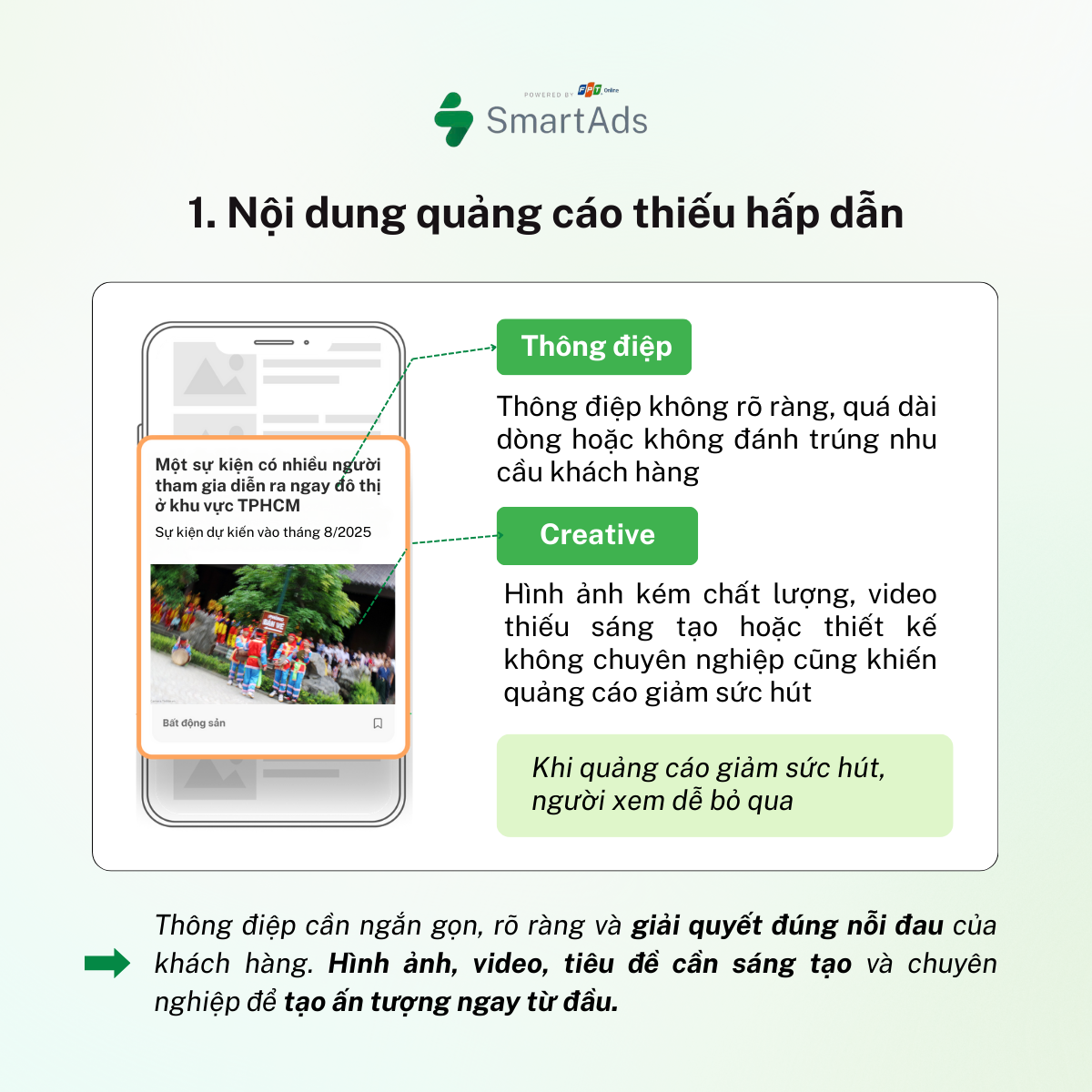
1. Nội dung quảng cáo thiếu hấp dẫn
Thông điệp không rõ ràng, quá dài dòng hoặc không chạm đến nhu cầu khách hàng sẽ làm mất sự chú ý. Bên cạnh đó, hình ảnh, video mờ nhạt, thiếu sáng tạo khiến hiệu suất quảng cáo giảm đáng kể.
>>> Khám phá bí kíp giải quyết lead rác giúp cải thiện tỉ lệ chuyển đổi.
Giải pháp: Tập trung xây dựng nội dung ngắn gọn, súc tích, giải quyết vấn đề của khách hàng và đầu tư vào hình ảnh, video chuyên nghiệp để tạo ấn tượng tốt cũng như độ tin tưởng của khách hàng ngay từ đầu.
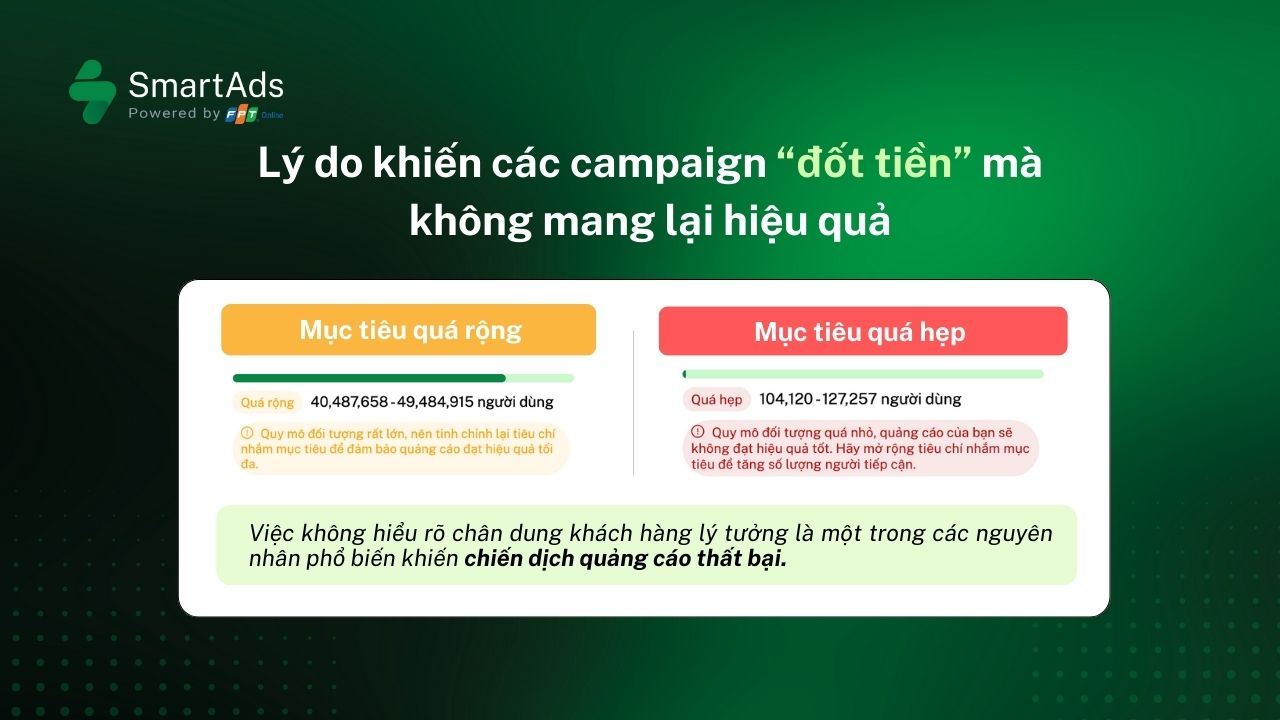
2. Nhắm sai hoặc tệp khách hàng quá rộng
Một chiến dịch quảng cáo có thể thất bại nếu tệp khách hàng quá rộng (lãng phí ngân sách) hoặc quá hẹp (khó thu hút lead). Việc không hiểu rõ chân dung khách hàng là nguyên nhân phổ biến nhất.
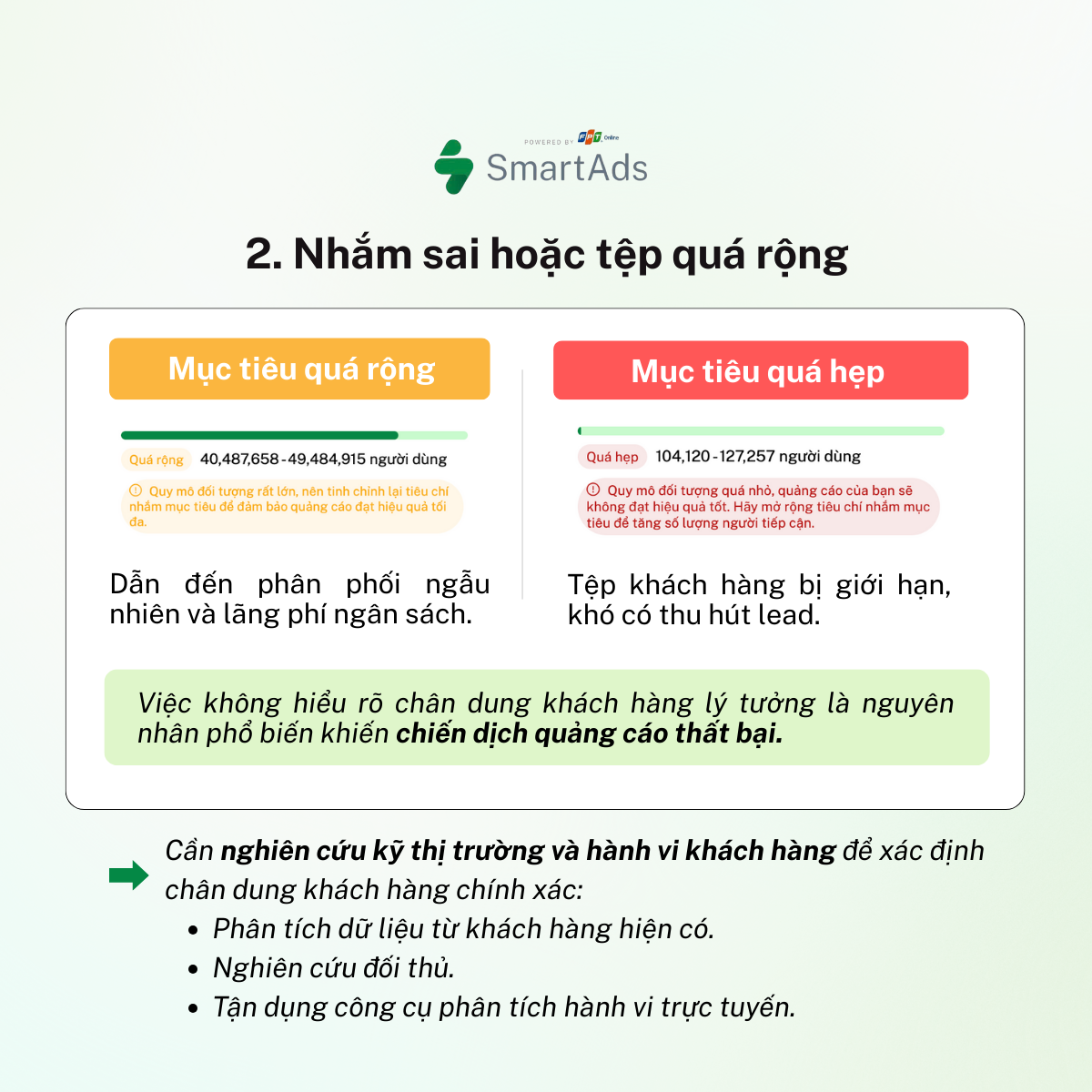
Giải pháp: Phân tích dữ liệu từ khách hàng hiện có, nghiên cứu đối thủ và tận dụng công cụ phân tích hành vi để khoanh vùng chính xác.
3. Thiếu thử nghiệm và tối ưu (A/B testing)
Không thử nghiệm nhiều biến thể khiến quảng cáo nhanh chóng bị “chai”, giảm hiệu quả theo thời gian.
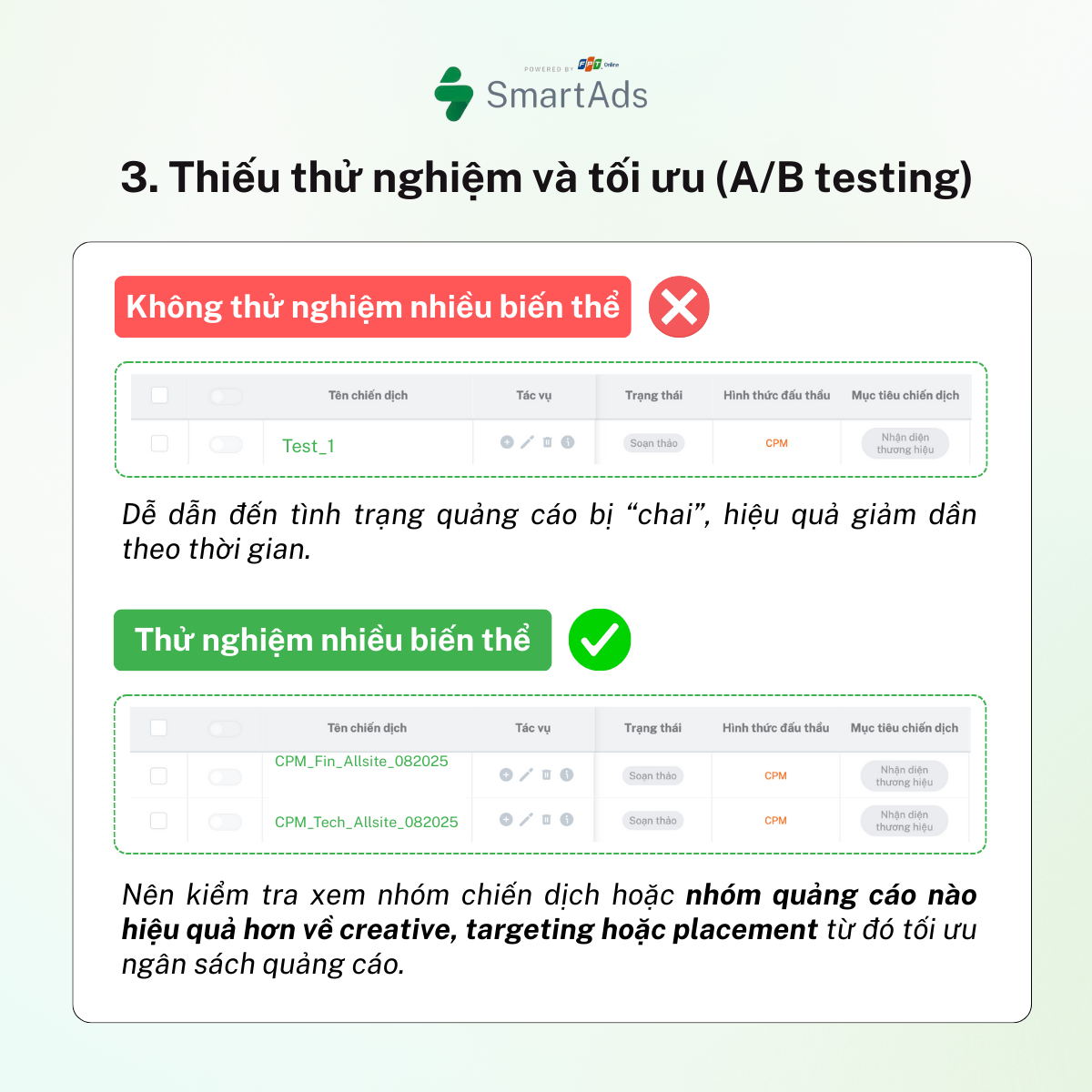
Giải pháp: Luôn chạy A/B testing để so sánh nhóm creative, targeting hoặc placement, từ đó tối ưu marketing performance và ngân sách.
>>> Làm sao để xác định mẫu quảng cáo nào hiệu quả hơn? Xem ngay
4. Quảng cáo lặp lại, thiếu đổi mới
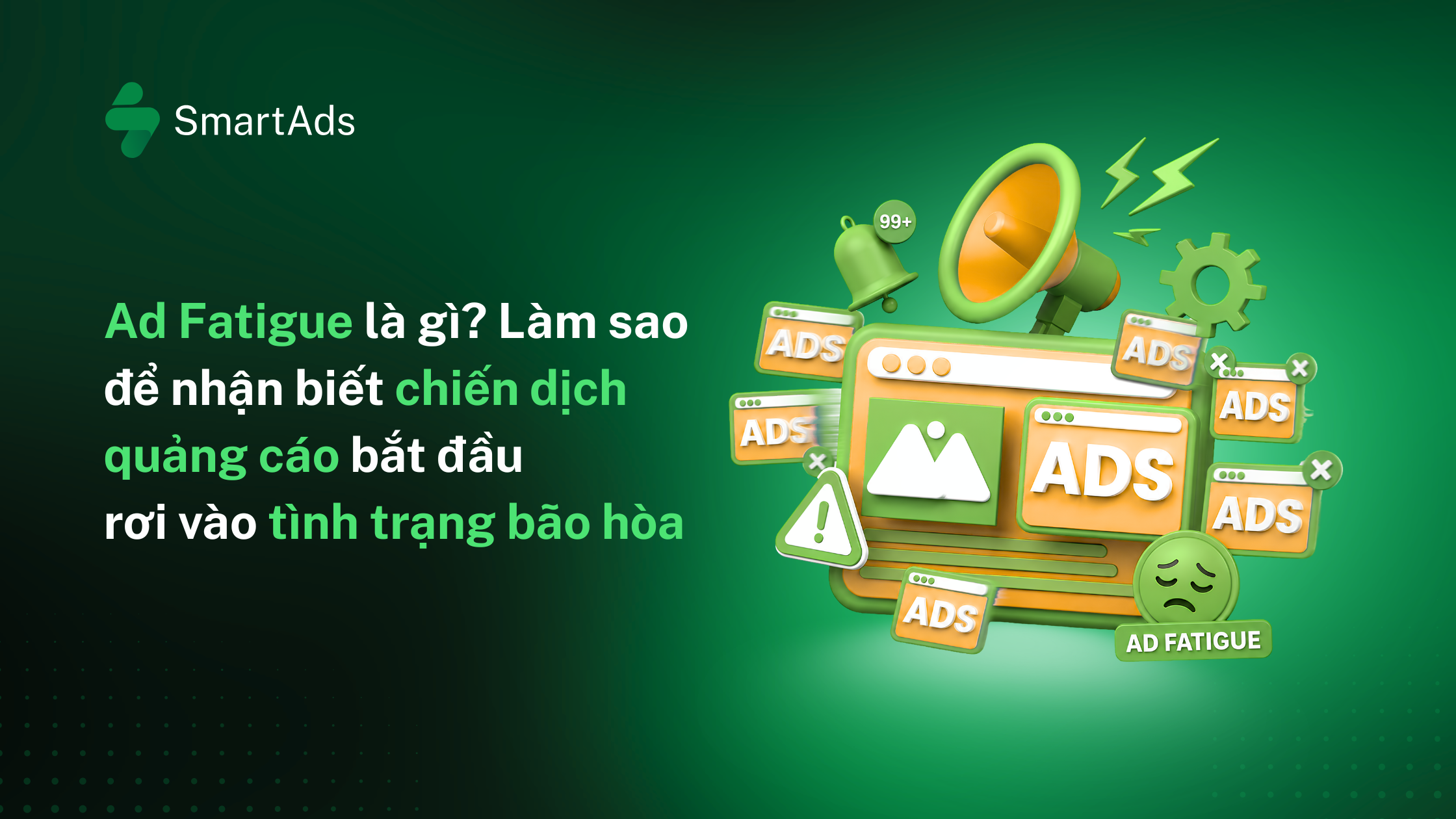
Ngay cả nội dung tốt nhưng lặp lại liên tục cũng dễ gây nhàm chán, khiến khách hàng bỏ qua. Đây chính là hiện tượng bão hòa quảng cáo.
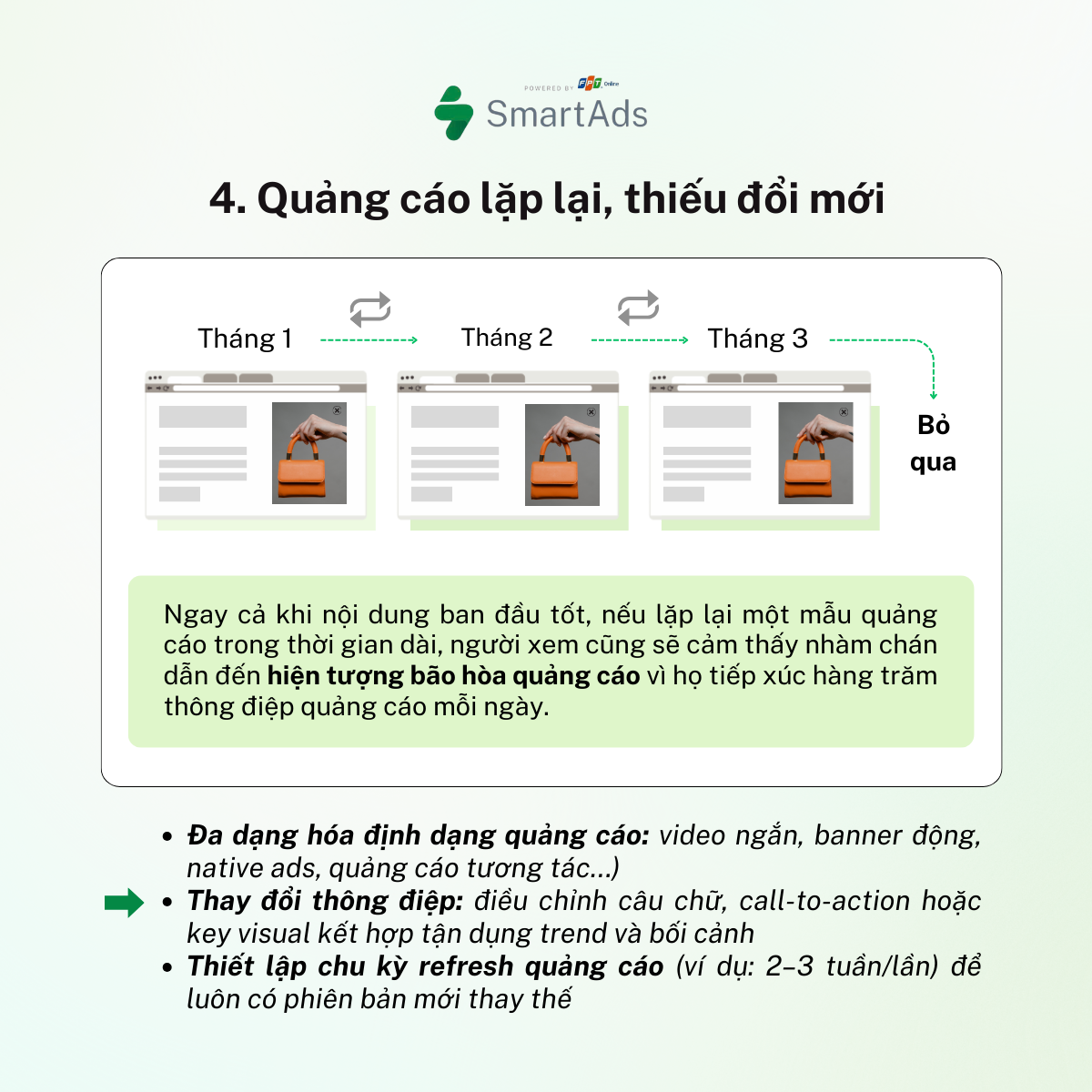
Giải pháp: Đa dạng hóa định dạng (video ngắn, banner động, native ads), đầu tư nghiên cứu hành vi người tiêu dùng để nắm bắt pain point cũng như real insight để đưa ra thông điệp khác biệt. Đồng thời, thiết lập chu kỳ refresh quảng cáo mỗi 2–3 tuần để hạn chế sự bão hòa.
5. Kỹ thuật triển khai còn hạn chế
Một số lỗi thường gặp:
-
Lựa chọn sai targeting (ví dụ: chạy quảng cáo dịch vụ chỉ có ở TP.HCM nhưng lại target toàn quốc).
-
Chọn thời điểm hiển thị không phù hợp với hành vi khách hàng.
-
Không phân bổ ngân sách hợp lý cho test hoặc cho nhóm có ROAS cao.
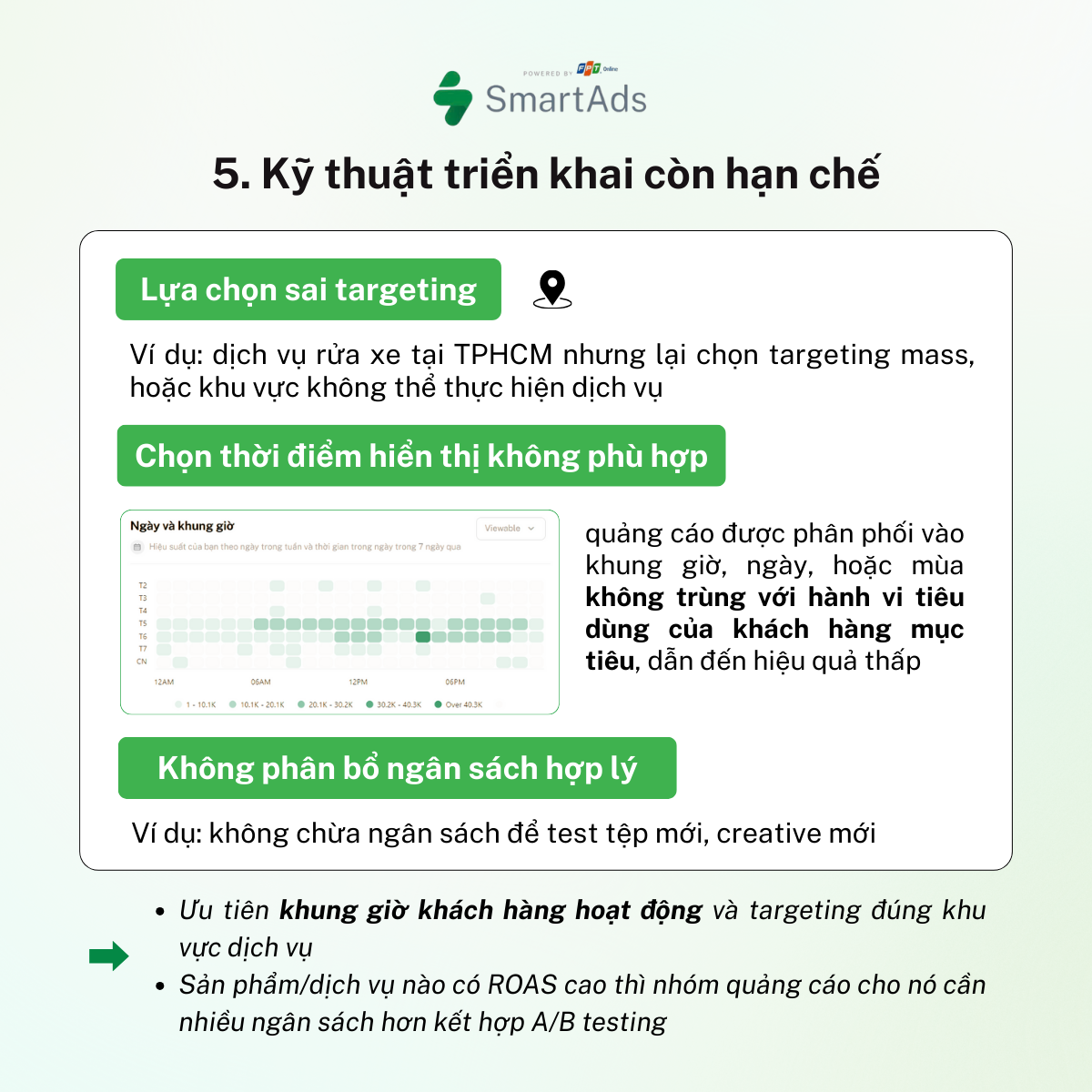
Giải pháp: Ưu tiên khung giờ khách hàng hoạt động, phân bổ ngân sách hợp lý và kết hợp A/B testing.
6. Yếu tố khách quan từ thị trường
Ngay cả khi doanh nghiệp xây dựng chiến dịch quảng cáo chỉn chu và có thông điệp hấp dẫn, vẫn có những tác động từ bên ngoài khiến hiệu suất quảng cáo giảm:
-
Người tiêu dùng ngày càng khó tính: Người dùng có nhiều lựa chọn hơn bao giờ hết. Họ dễ dàng so sánh giá, xem review hoặc tham khảo ý kiến cộng đồng trước khi ra quyết định. Điều này khiến việc thuyết phục họ bằng một mẫu quảng cáo đơn thuần trở nên khó khăn hơn.
-
Xu hướng thay đổi liên tục: Thói quen tiêu dùng và xu hướng truyền thông biến động nhanh chóng. Một mẫu quảng cáo từng “hot” có thể nhanh chóng trở nên lỗi thời nếu không cập nhật kịp trào lưu mới, dẫn đến giảm sự quan tâm từ khách hàng.
-
Cạnh tranh ngày càng gay gắt: Trong cùng một thị trường, hàng chục thương hiệu có thể nhắm tới cùng một tệp khách hàng. Khi khách hàng bị “bội thực quảng cáo”, họ sẽ trở nên miễn nhiễm với thông điệp, làm marketing performance chung có thể giảm xuống.
Giải pháp: Linh hoạt cập nhật xu hướng, nghiên cứu đối thủ và điều chỉnh chiến lược theo biến động thị trường.
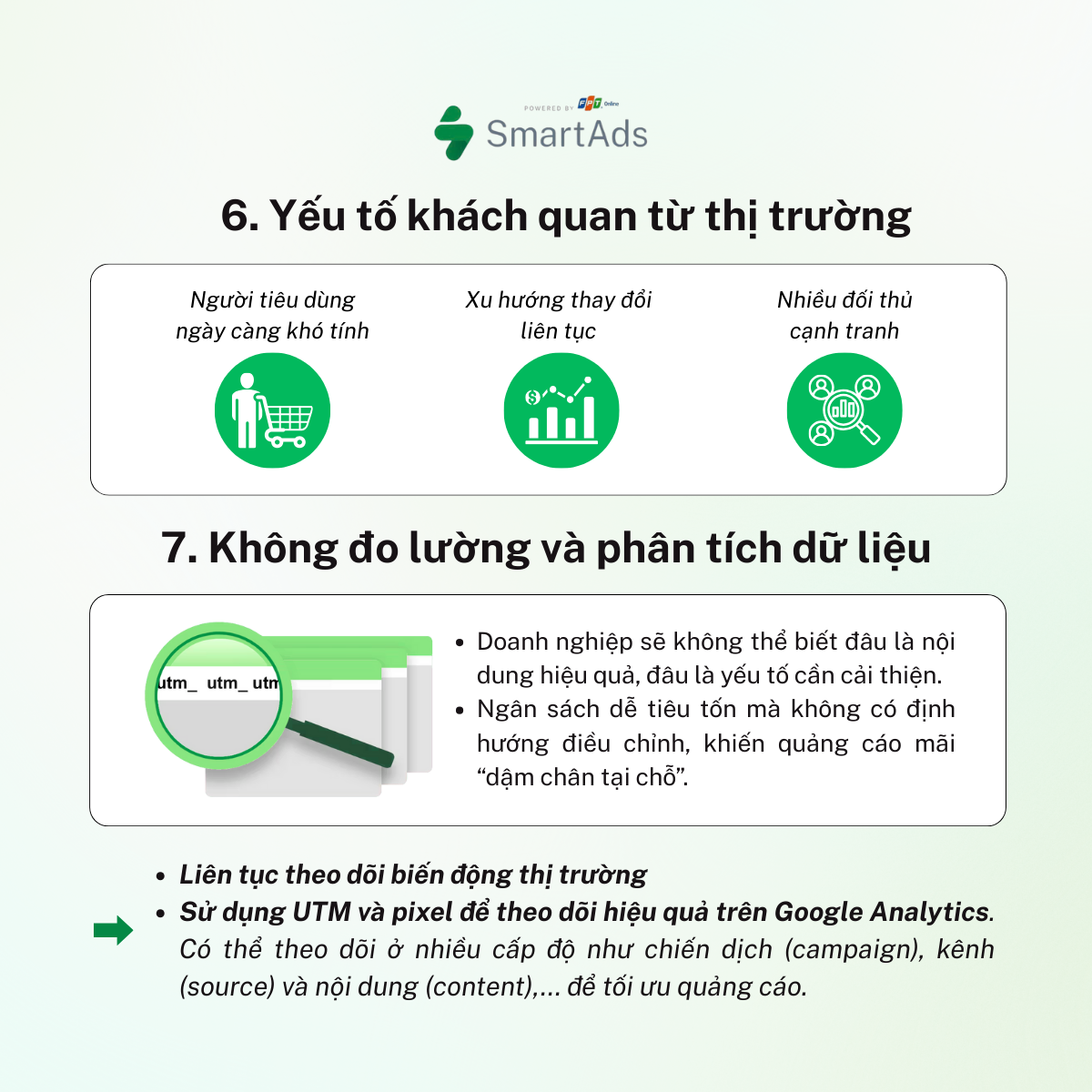
7. Không đo lường và phân tích dữ liệu
Nếu không đo lường, doanh nghiệp sẽ không biết đâu là yếu tố hiệu quả, đâu là điểm cần cải thiện. Ngân sách dễ bị tiêu tốn vô ích.
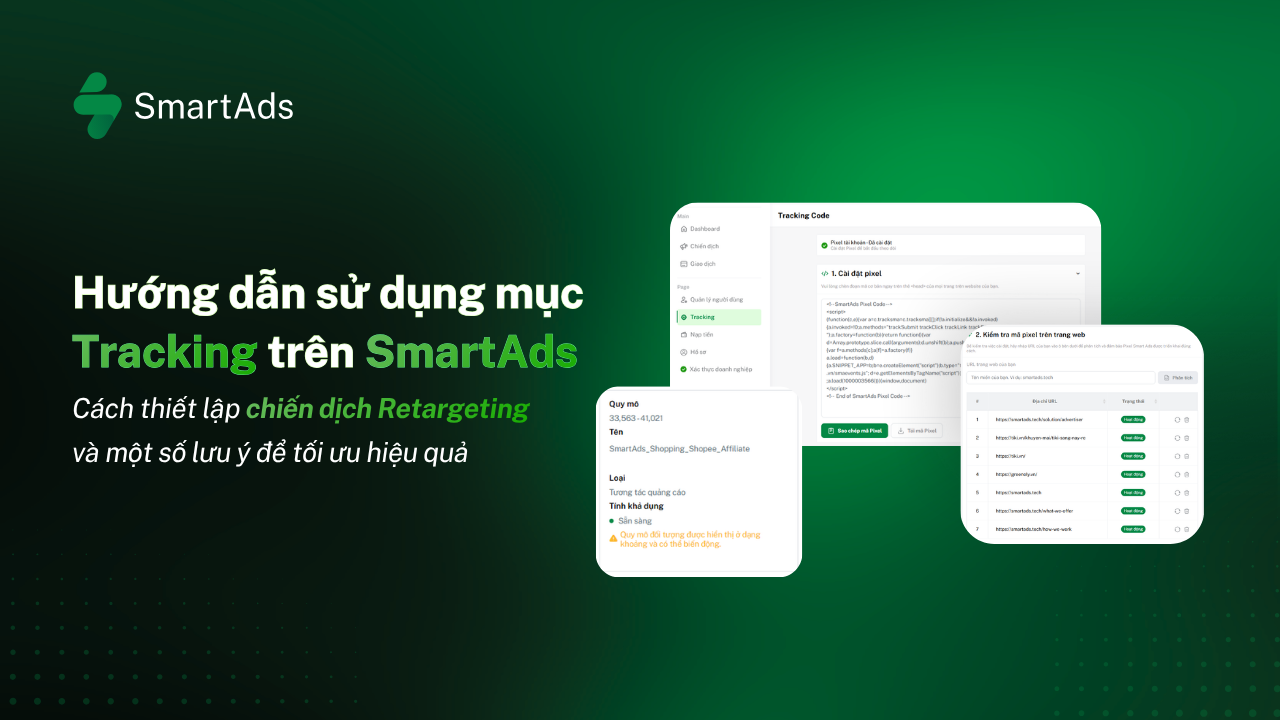
Giải pháp: Sử dụng UTM và pixel để theo dõi hiệu quả trên Google Analytics, phân tích theo nhiều cấp độ (campaign, source, content) để tối ưu chiến dịch quảng cáo.
>>> Xem thêm cách thiết lập UTM và SmartAds Pixel tại đây.
Kết luận
Một chiến dịch quảng cáo không hiệu quả thường không chỉ do một nguyên nhân duy nhất, mà là sự cộng hưởng của nhiều yếu tố. Doanh nghiệp cần theo dõi sát sao, liên tục thử nghiệm và tối ưu để nâng cao marketing performance. Khi hiểu rõ 7 nguyên nhân trên và có giải pháp phù hợp, quảng cáo sẽ trở thành công cụ tạo ra giá trị thực sự thay vì chỉ là khoản chi phí.