What is UX?
User Experience (UX) refers to the overall perception and feeling users have when interacting directly with a digital product—such as a website, mobile application, or even an online advertisement. UX typically includes:
- Interface intuitiveness: clear, user-friendly navigation
- Functional efficiency: fast, smooth interactions
- Emotional impact: creating comfort, satisfaction, and ease of use
- Visual aesthetics: harmonious colors, layouts, and design systems
- Journey optimization: saving time and minimizing operational steps
The core objective of UX optimization is to ensure that every visit and every click delivers a seamless, intuitive, and effective experience.
What is CX?
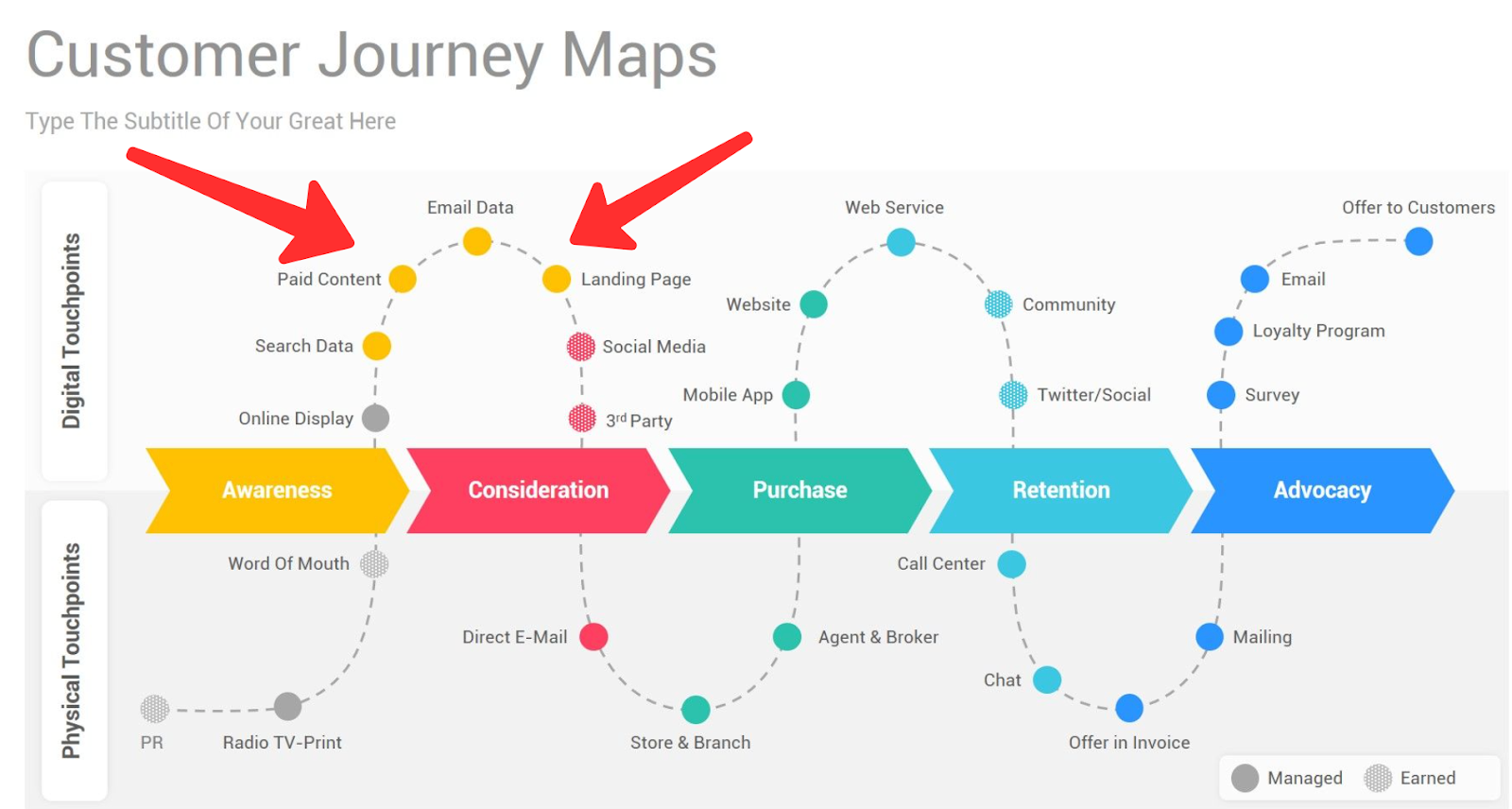
Unlike UX, Customer Experience (CX) has a broader scope. It represents the cumulative perceptions and evaluations customers form across every touchpoint with a brand. CX goes beyond the product itself and spans the entire customer journey—from pre-purchase and purchase to post-sales engagement, including:
- Brand communication through digital marketing, advertising, and social media
- Purchasing and payment processes
- After-sales service and customer support
- Consistent brand impressions throughout the customer journey
Optimizing customer experience requires cross-functional collaboration and a user-centric mindset embedded in every business decision.
Key differences between UX and CX
While UX focuses on improving experiences within individual digital products (for example, how SmartAds optimizes native ads to increase engagement), CX encompasses the entire relationship and interaction flow between customers and the brand. A fast-loading website is a UX outcome, whereas a flexible return policy is part of CX. Today’s leading businesses must not only enhance user experience but also build a consistent, seamless customer journey across all touchpoints.
Benefits of enhancing and optimizing user experience
Investing in UX optimization is not merely about following trends—it is a critical foundation for sustainable digital marketing performance.
Higher Satisfaction, Loyalty, and Customer Lifetime Value
According to the Appota Report 2025, businesses that effectively implement user experience improvement initiatives achieved a +26% increase in repeat customer rates. This clearly demonstrates that well-executed UX optimization helps brands retain users, increase lifetime value (LTV), and reduce churn.
Revenue Growth and Operational Efficiency
Across digital campaigns in Vietnam, SmartAds recorded that contextual native ads increased average CTR by +18% compared to standard banner ads (Source: smartads.vn/privacy-policy). Improving experience does not only drive engagement—it directly boosts revenue and minimizes drop-offs across the conversion funnel.
Addressing Weaknesses, Streamlining Processes, and Strengthening Competitiveness
By continuously evaluating and optimizing user experience, businesses can promptly address pain points such as slow loading speeds, inconsistent messaging, or insufficient security standards. At the same time, they can optimize advertising spend, closely monitor channel performance, and build sustainable competitive advantages in the market.
Solutions to enhance and optimize user experience
To support practical implementation, below are 13 proven solutions, updated with the latest technologies for 2025.
1. User Research and Real Behavioral Analysis
- Leverage AI analytics (e.g., SmartInsights, virtual heatmaps)
- Apply quick surveys and interaction measurement across digital touchpoints
2. Intuitive and User-Friendly Interface Design
- Prioritize mobile-first design with clear, accessible layouts
3. Website and Application Speed Optimization
- Implement the latest AMP, CDN, and lazy loading technologies
- Set page load targets below 1.5 seconds
- Use performance testing tools such as Google PageSpeed Insights or explore insights on how to increase website traffic
4. Effective Omnichannel Customer Support
-
Providing fast, seamless support across all platforms—from websites and chatbots to social media—helps customers feel understood and served at the right moment, with the right solution.
5. AI-Driven Personalization Based on User History
- Deliver personalized content and product recommendations using machine learning
6. Continuous User Feedback Collection and Analysis
-
Utilize NPS, UX survey tools, and rapid feedback mechanisms
-
Handle negative reviews professionally and proactively
7. Community Building and Extended Touchpoints
- Develop user groups, host digital mini-events, and collaborate with major publishers
8. Data Security and Personal Information Protection
-
Comply with GDPR standards and Vietnam’s Decree 13/2023/ND-CP
-
Select reputable publishers and implement proactive security risk alerts
9. Investment in Emerging Technologies (AI, Tracking, Native Ads, Automation)
-
Adopt voice search optimization, responsive native ads, and AI-based scoring
-
Integrate AI-powered real-time reporting for clients
10. Team Training with a User-Centric Mindset
-
Train marketers on UX and CX-driven thinking
-
Reference professional programs from SmartAds Academy
11. Continuous Service Quality Management
- Establish SLA metrics and internal evaluation systems
12. Monitoring and Optimizing UX KPIs
-
Key KPIs to track: bounce rate, time on site, conversion rate
-
SmartAds real-time dashboards tailored for SME clients
13. Mobile and Cross-Device Experience Optimization
-
Responsive design across devices and Progressive Web Apps (PWA)
-
Reduce mobile friction and optimize native ads across all platforms
Key considerations when optimizing user experience
No sustainable UX optimization strategy can succeed without adhering to the following three core principles.
Put Users at the Center of Every Decision
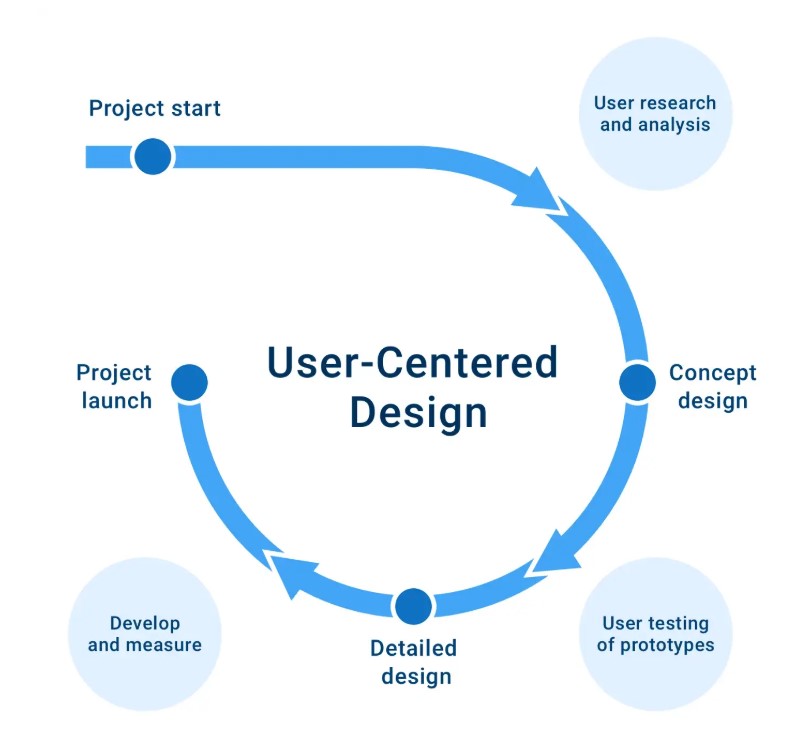
Conduct multi-layer UX A/B testing and continuously collect and respond to user insights. Every change should be driven by real user needs—not subjective assumptions.
Measure, Analyze, and Update Continuously
Apply visual reporting technologies and automated alerts to detect anomalies in conversion rates or user experience metrics in real time.
Ensure Consistency and Flexibility Across Touchpoints
Maintain consistent interfaces, messaging, and experiences across all touchpoints—web, mobile, social media, and native ads. Notably, SmartAds’ native advertising solutions allow content to blend naturally into context, minimizing disruption while maximizing engagement.