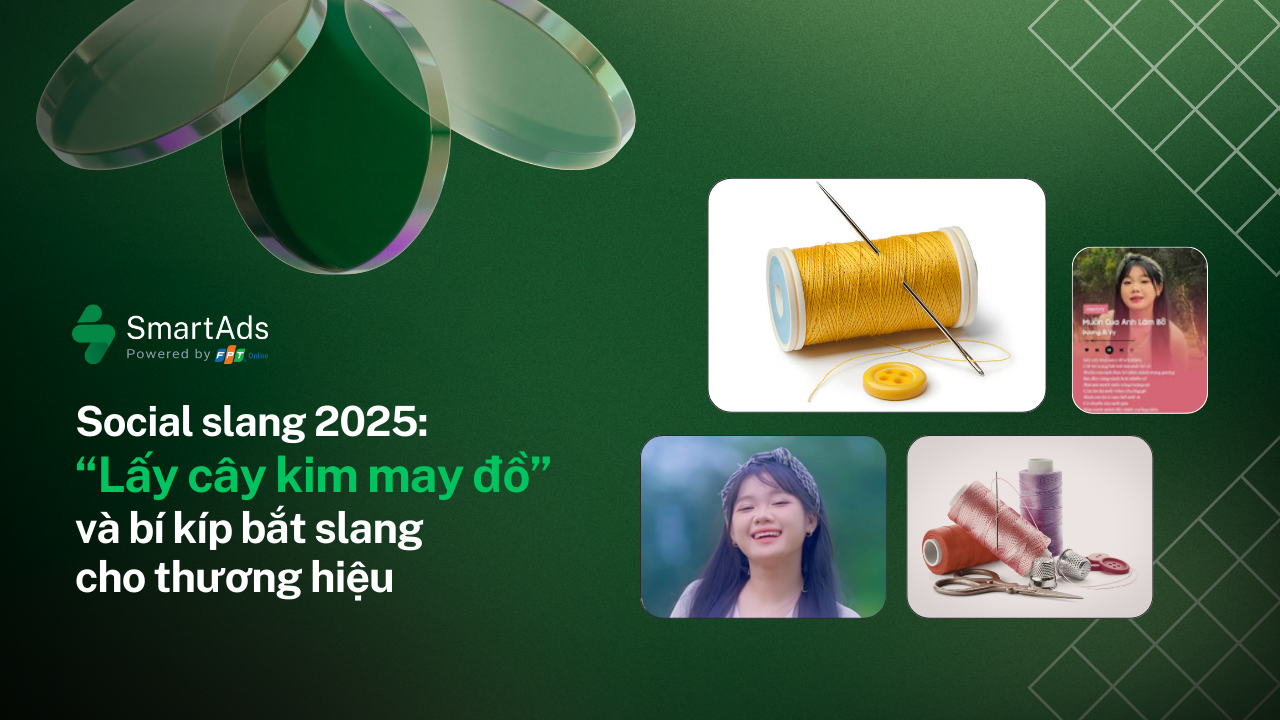
What does “Lấy cây kim may đồ” mean?
Recently, the phrase “lấy cây kim may đồ” has unexpectedly become a trending slang term, rapidly spreading across TikTok and Facebook. The lyric “Lấy cây kim may đồ” originally appeared as the opening line of the song Muốn Cua Anh Làm Bồ by Dương Ái Vy, but it quickly evolved into a viral TikTok phenomenon. With its playful, catchy rhythm and meme-ready structure, the remixed chant was widely covered by numerous creators. - most notably Duy Best, who played a key role in fueling the trend’s viral momentum across social media.
Beyond organic sharing, this slang has been creatively adapted into parody videos, casual comment threads, and even everyday conversations. What started within online communities soon crossed over into the entertainment scene. Familiar faces such as actor Quang Tuấn, Miss Vietnam Bùi Xuân Hạnh, and popular TikTok creators from the Em Xinh Say Hi group like Muộii and Yeolan have all joined the trend—significantly amplifying its reach and visibility.
According to TikTok statistics, hashtags related to the song have surpassed 415,000 videos, generating millions of views and interactions. This clearly demonstrates how even a seemingly “nonsensical” lyric can become powerful viral material when it resonates with internet culture, humor, and the creative remixing spirit of online communities.
Lyrics of “Lấy Cây Kim May Đồ”:
Lấy cây kim may đồ
Rồi khâu cái túi xong bắt trái tim anh bỏ dzô
Muốn cua anh làm bồ
Nhìn mình trong gương em đây cũng xinh hơn nhiều cô
Nhà má mười mấy công ruộng nà, còn tía thì mấy trăm chuồng gà
Mình em thì lo sao hết, anh ơi có duyên xin mời qua
Mùa nước mình lấy chiếc xuồng chèo, mùa nắng thì phóng xe dzèo dzèo
Một năm là gom đủ thóc, cho hai đứa mua hột xoàn đeo
How brands can effectively “catch” social slang
Real-world data shows that social slang is not just a dynamic form of language—it is also a highly effective creative asset for brands looking to tap into trends, spark viral content, and build emotional connections with users. This is especially relevant for brands aiming to develop a youthful, relatable brand personality on platforms like TikTok and other social media channels. To maximize the communication impact of slang-driven trends, marketers should consider the following:
- Choose the right slang: Not every slang term fits every brand. Slang that is easy to understand, flexible for adaptation, and broadly relatable will resonate with wider audiences and travel further across social media.
- Balance brand identity with slang: Following trends doesn’t mean copying them verbatim. Brands should tailor slang to their own voice and seamlessly integrate it with core brand messaging—staying viral while maintaining clear brand recognition.
- Apply slang strategically in ad headlines: Certain slang terms can serve as powerful hooks in advertising headlines, helping content stand out and spark curiosity. However, usage should always match the context (e.g., youth-oriented products, viral campaigns, or entertainment-driven content). For industries that prioritize credibility—such as finance, healthcare, or B2B—overusing slang may undermine trust.
- Act at the right moment: Slang trends can rise and fade rapidly. Brands should engage early, while the trend is gaining momentum, to achieve maximum viral impact.
>>> Explore the latest social slang trends of 2025 here.
Conclusion
Social slang continues to be an endless source of inspiration for brands seeking to create relatable, viral content and build deeper connections with younger audiences within today’s internet culture. To maximize effectiveness, brands should align their personality with well-optimized advertising strategies. Currently, SmartAds is delivering Brandformance (Branding x Performance) solutions that help businesses reach the right target audiences, optimize media costs, and increase conversion rates across digital advertising campaigns.