#1. “Giảm sức mạnh con tướng này giúp em”
Nguồn gốc từ cộng đồng game, đặc biệt là những trò chơi có hệ thống nhân vật. Người chơi thường đề nghị nhà phát triển “nerf” tướng quá mạnh. Giới trẻ nhanh chóng biến nó thành câu cửa miệng để miêu tả bất kỳ điều gì “giỏi quá đáng” trong cuộc sống.
Chẳng hạn để bày tỏ sự ngưỡng mộ trước ngoại hình, tài năng của một người nổi tiếng, nhiều người sẽ chia sẻ hình ảnh kèm dòng trạng thái: “Giảm sức mạnh con tướng này giúp em với”, như một lời khen khéo léo mà hài hước.
#2. “Khối Nghỉ Hè”
“Khối Nghỉ Hè” (hay còn gọi là “Khối Nghỉ Hè”) là một thuật ngữ do giới trẻ sáng tạo, dùng để chỉ học sinh – sinh viên trong kỳ nghỉ hè. Thuật ngữ này được ghép từ chữ “khối” (ý chỉ một nhóm người, vốn quen thuộc trong các sự kiện diễu binh, concert quốc gia dịp 30/4) và “nghỉ hè”, nhằm tạo nên sắc thái vừa vui nhộn vừa châm biếm. Giữa 2025, cụm từ xuất hiện trên mạng xã hội như một cách chơi chữ, mô tả cảnh học sinh ùa về quê hay ở nhà trong kỳ nghỉ, khiến bầu không khí gia đình trở nên sôi động, đôi khi hơi “náo loạn”.
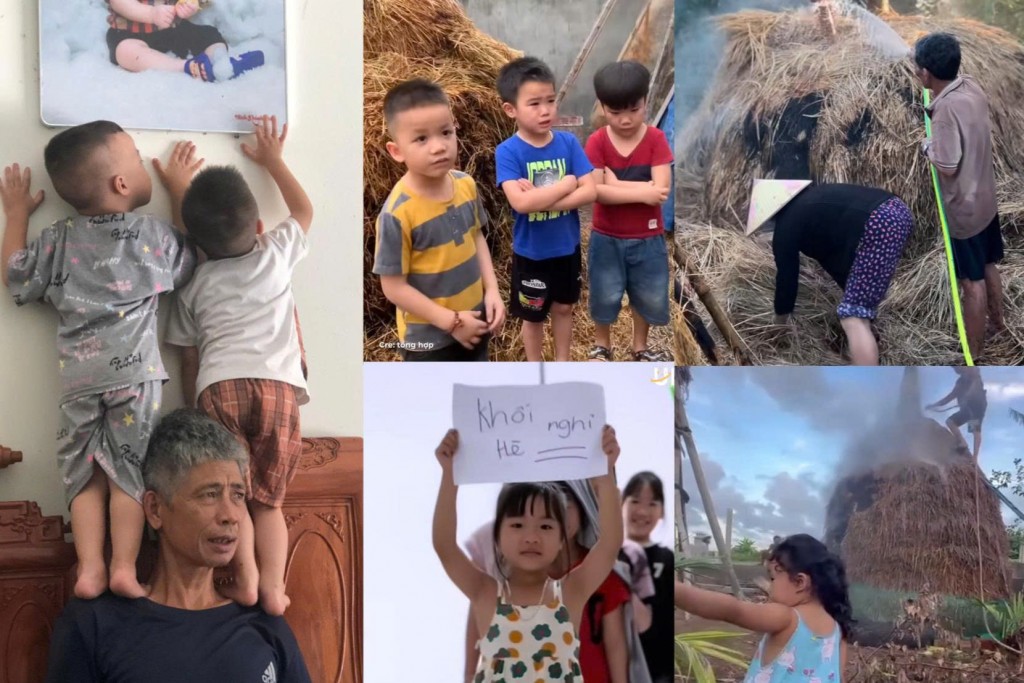
Thuật ngữ này thường được dùng trên TikTok, Facebook hay trong giao tiếp hàng ngày với sắc thái hài hước, đặc biệt là cảnh trẻ em về quê thăm ông bà, chơi đùa, nghịch ngợm hay làm phiền người lớn với các tình huống khó đỡ.
#3. “Mời đoàn mình di chuyển lên núi giùm em”
Câu nói “Mời đoàn mình di chuyển lên núi giùm em” là một cách nói hài hước được giới trẻ dùng để bày tỏ cảm giác ngượng ngùng, xấu hổ hay “quê độ” thay cho ai đó. Thay vì nói thẳng “muốn độn thổ”, câu trend này ví von việc “lên núi” như một cách rút lui duyên dáng khỏi tình huống khó xử hoặc drama. Ban đầu, câu nói xuất hiện trong một video TikTok ghi lại cảnh hướng dẫn viên du lịch nhắc nhở khách tham quan. Tuy nhiên, nó chỉ thực sự viral sau khi chương trình thực tế Gia đình Haha phát sóng tập quay ở Tây Bắc, trong đó câu thoại này vang lên giữa khung cảnh núi non hùng vĩ. Từ giữa tháng 7/2025, trend TikTok này bùng nổ và nhanh chóng trở thành “câu cửa miệng” trên MXH.

Câu nói gây sốt bởi sự ngắn gọn, dí dỏm và dễ áp dụng trong muôn vàn tình huống hằng ngày. Khi ai đó lỡ nhắn nhầm tin “bóc phốt” cho chính sếp, hay bạn mình trót gây gượng gạo trong đám đông, phản ứng phổ biến sẽ là: “Mời đoàn mình di chuyển lên núi giùm em!”. Thay vì phê phán trực diện, cách nói này mang sắc thái nhẹ nhàng, tạo tiếng cười mà không gây tổn thương.
Sử dụng & biến tấu: Gen Z nhanh chóng sáng tạo thêm nhiều phiên bản mới cho hợp tình huống:
-
“Trên núi hết chỗ rồi mời đoàn mình xuống biển”
-
“Còn đúng ba slot trên núi, ai nhanh tay thì được.”
-
"Dưới biển hết chỗ rồi, xuống hang với MU khéo còn bị khinh ra mặt ấy"
Chính sự linh hoạt, hài hước này đã giúp câu nói trở thành một trong những trend TikTok nổi bật nhất mùa hè 2025, góp phần cho thấy khả năng “chế cháo” ngôn ngữ cực sáng tạo của cộng đồng mạng.
#4. “Cầm lấy 2 tỷ”
Nếu phải gọi tên một trong những trend TikTok “từ trên trời rơi xuống” nhưng lại viral mạnh mẽ, thì chắc chắn không thể bỏ qua câu nói “Cầm lấy 2 tỷ”. Xuất phát từ mô-típ kinh điển trong phim ngôn tình – nơi gia đình giàu có đưa tiền để chia cắt tình yêu – cụm từ này vốn gắn liền với những phân cảnh kịch tính, thậm chí có phần bi thương.
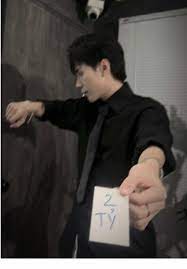
Thế nhưng, điều khiến trend này thực sự bùng nổ không phải là sự nghiêm túc vốn có, mà là cách cộng đồng mạng “đảo ngữ” để tạo ra loạt tình huống dở khóc dở cười. Thay vì câu thoại thẳng thắn “Cầm lấy 2 tỷ và rời xa con tôi”, người trẻ chế thành những phiên bản ngược đời như: “Cầm lấy con gái tôi và rời xa 2 tỷ”, hoặc “Cầm lấy tôi và con gái rồi rời xa 2 tỷ”.
Chỉ một thay đổi nhỏ về trật tự từ ngữ, bầu không khí u ám của phim ngôn tình đã lập tức biến thành một “tiểu phẩm hài”. Chính sự châm biếm duyên dáng này đã kích thích trí sáng tạo tập thể: hàng loạt video chế, meme, ảnh ghép liên tục xuất hiện, khiến trend “Cầm lấy 2 tỷ” trở thành hiện tượng lan tỏa rộng rãi trên khắp mạng xã hội.
#5. “Chửi um sùm ở bển kìa”
Câu "Chửi um sùm ở bển kìa" thường mang tính hài hước hoặc châm biếm, dùng để diễn tả một người đang bị “réo tên” vào một tình huống éo le nào đó. Nó không mang nghĩa chửi tục theo nghĩa đen mà như một cách nói vui, ví von cho tình huống "đớn" mà hài hước.
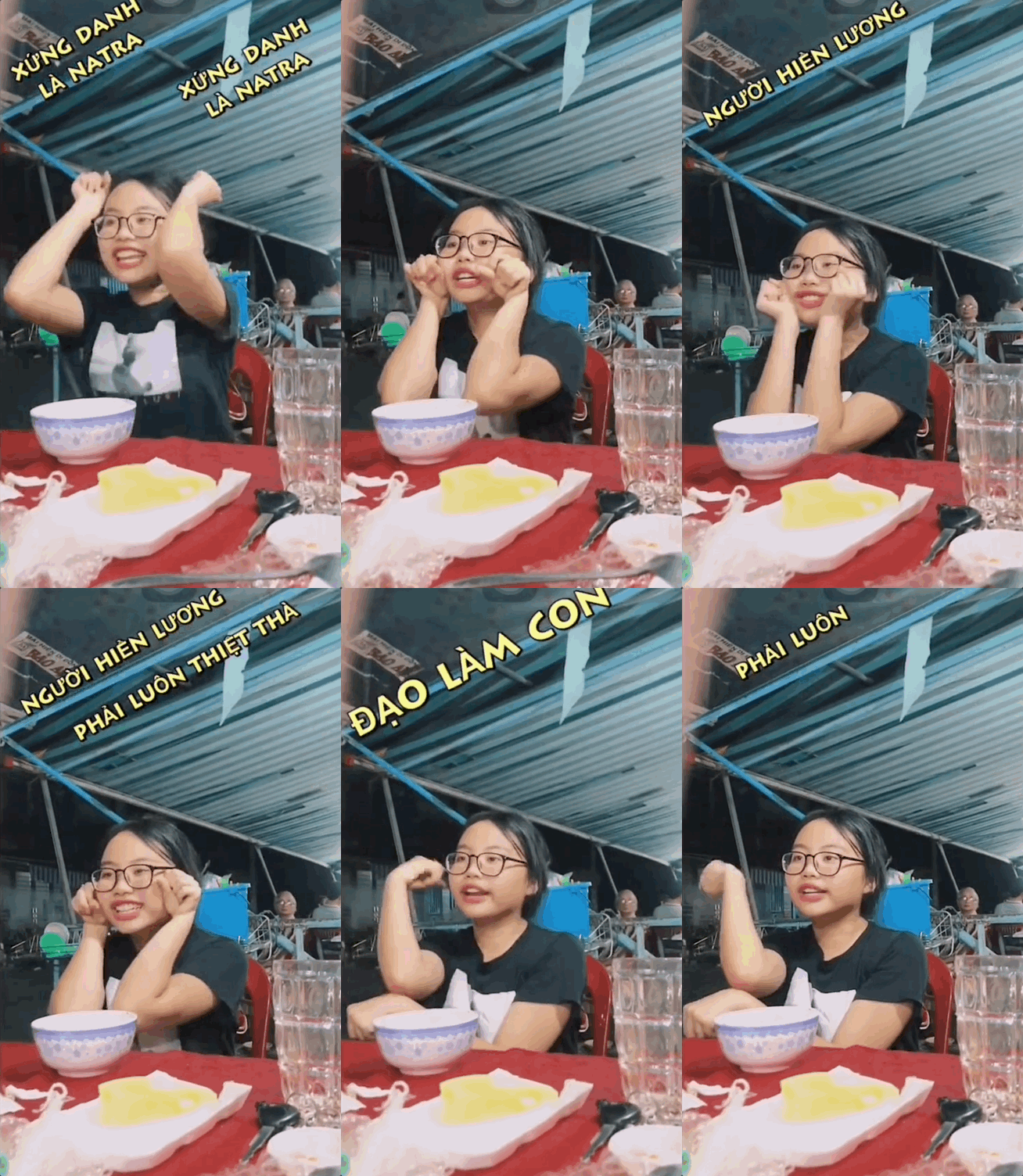
Cụ thể, Phương Mỹ Chi trong quá trình tham dự gameshow thực tế Em xinh say hi đã bị cộng đồng mạng đào lại biểu cảm hài hước lúc nhỏ khi diễn tiểu phẩm "ta là Natra". Rất nhiều comment trên mạng xã hội phản hồi lại video này với với từ lóng: “Bả chửi um sùm ở bển kìa”
#6. “Thua Gia Cát Lượng mỗi cây quạt”
“Thua Gia Cát Lượng mỗi cây quạt” là một câu nói đang được dùng như một trend hài hước trên mạng xã hội. Nguồn gốc của nó dựa trên hình tượng Gia Cát Lượng trong Tam Quốc, vốn nổi tiếng là quân sư tài trí siêu phàm và thường xuất hiện cùng cây quạt lông. Khi ai đó nói “thua Gia Cát Lượng mỗi cây quạt”, ý họ muốn bông đùa rằng bản thân (hoặc đối tượng được nhắc đến) cũng thông minh, mưu lược chẳng kém gì Gia Cát Lượng, chỉ thiếu mỗi cây quạt để hoàn thiện hình ảnh. Đây là một cách khen ngợi pha chút tự trào, vừa thể hiện sự “cao tay” vừa tạo sự gần gũi, dí dỏm.
#7. “Anh em mình cứ thế thôi, hẹ hẹ hẹ”
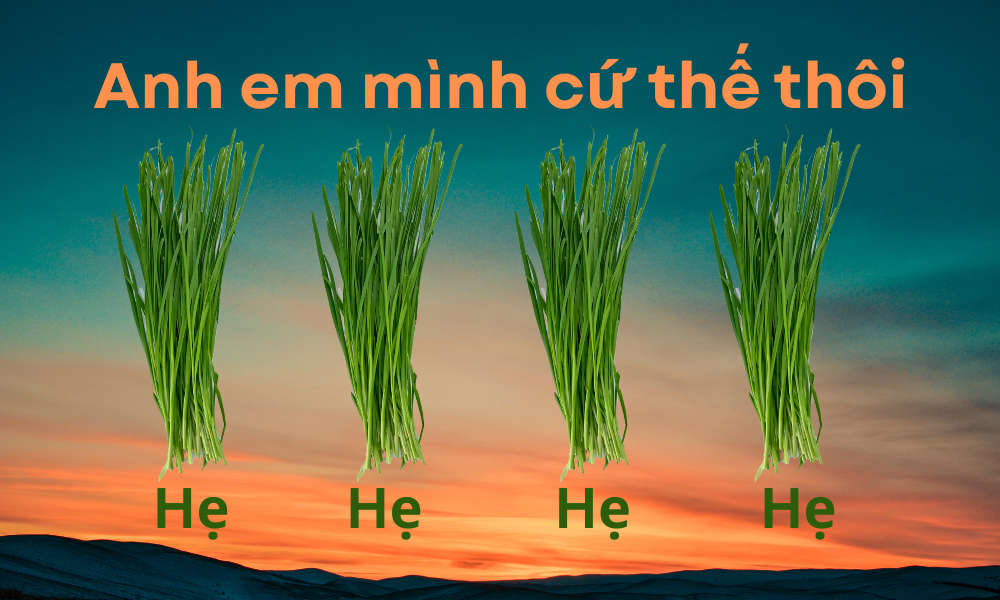
Trend TikTok này bắt nguồn từ một đoạn clip ngẫu hứng, trong đó nhân vật chính vô tư buông câu "Anh em mình cứ thế thôi hẹ hẹ hẹ" với giọng điệu vừa xuề xòa vừa hài hước. Chính sự mộc mạc, đời thường và có phần “tưng tửng” này đã khiến câu nói nhanh chóng được cộng đồng mạng "bắt sóng", lặp lại trong vô số tình huống khác nhau. Câu nói này bắt nguồn từ sự kết hợp hai phần:
-
“Anh em mình cứ thế thôi”: xuất phát từ bình luận của một fan Real Madrid sau khi liệt kê các lần CLB vô địch Champions League, mang tinh thần thản nhiên, tự hào
-
“Hẹ hẹ hẹ”: là tràng cười đặc trưng của streamer Tú Sena trong một lần livestream, với âm điệu hài hước và cố tình “lố”, đã được lan truyền rộng rãi thành meme
Điều thú vị là trend không cần filter cầu kỳ hay dựng cảnh phức tạp. Người dùng TikTok chỉ việc lồng tiếng câu nói ấy vào video của mình: từ cảnh đi chơi, tụ tập bạn bè, đến những khoảnh khắc "cạn lời" trong cuộc sống thường ngày. Nhờ sự linh hoạt trong cách biến tấu, trend đã tạo ra hàng loạt phiên bản remix, chế hài đủ kiểu, giúp nó lan truyền với tốc độ chóng mặt.
Không chỉ mang lại tiếng cười, trend TikTok "Anh em mình cứ thế thôi hẹ hẹ hẹ" còn phản ánh đúng tinh thần giải trí nhẹ nhàng mà giới trẻ tìm kiếm trên mạng xã hội: vui vẻ, không quá nghiêm túc, và đặc biệt là dễ hòa nhập. Chính vì vậy mà nhiều KOLs, influencer cũng nhanh chóng nhập cuộc, góp phần đẩy độ phủ sóng của câu nói này lên mức viral.
Bí kíp “bắt slang” dành cho thương hiệu
Dữ liệu từ các slang hot cho thấy: social slang không chỉ là ngôn ngữ sống động, mà còn là “vật liệu” cực kỳ hiệu quả để thương hiệu sáng tạo nội dung bắt trend. Để tận dụng tối đa, Marketer cần lưu ý:
Chọn slang "đỉnh": Không phải slang nào cũng phù hợp với thương hiệu. Loại dễ hiểu, dễ biến tấu và có tính đại chúng sẽ tiếp cận được nhiều nhóm khách hàng hơn.
Phối hợp hài hòa giữa thương hiệu và slang: Xu hướng không có nghĩa là “copy nguyên văn”. Thương hiệu nên tinh chỉnh slang theo phong cách riêng, lồng ghép trọn vẹn với thông điệp cốt lõi để vừa trendy vừa giữ dấu ấn nhận diện.
Nắm bắt thời điểm vàng: Slang có thể bùng nổ rồi hạ nhiệt rất nhanh. Thương hiệu cần can thiệp sớm khi trend đang lên để tạo hiệu ứng mạnh. Chậm chân là dễ bị bỏ lại phía sau.
Kết
Social slang là nguồn cảm hứng bất tận để thương hiệu tạo nội dung gần gũi, dễ viral và kết nối sâu sắc với thế hệ trẻ. Khi được ứng dụng thông minh và đúng thời điểm, slang không chỉ “bắt trend” mà còn giúp thương hiệu xây dựng cá tính riêng, lan tỏa tự nhiên và ghi dấu trong tâm trí cộng đồng.
Việc đầu tư cho thương hiệu và xây dựng được cá tính riêng là bước đi quan trọng để nổi bật trên thị trường. Tuy nhiên, để gia tăng hiệu quả, cần kết hợp giữa xây dựng thương hiệu và tối ưu hóa hiệu suất chiến dịch. Hiện, SmartAds đang triển khai giải pháp Brandformance (Branding x Performance) cho quảng cáo liên kết trực tiếp các nhà xuất bản uy tín. Giải pháp kỳ vọng giúp doanh nghiệp tiếp cận đúng khách hàng tiềm năng với chi phí tối ưu và nâng cao tỷ lệ chuyển đổi.