What is CPC? Definition and how it works in digital advertising
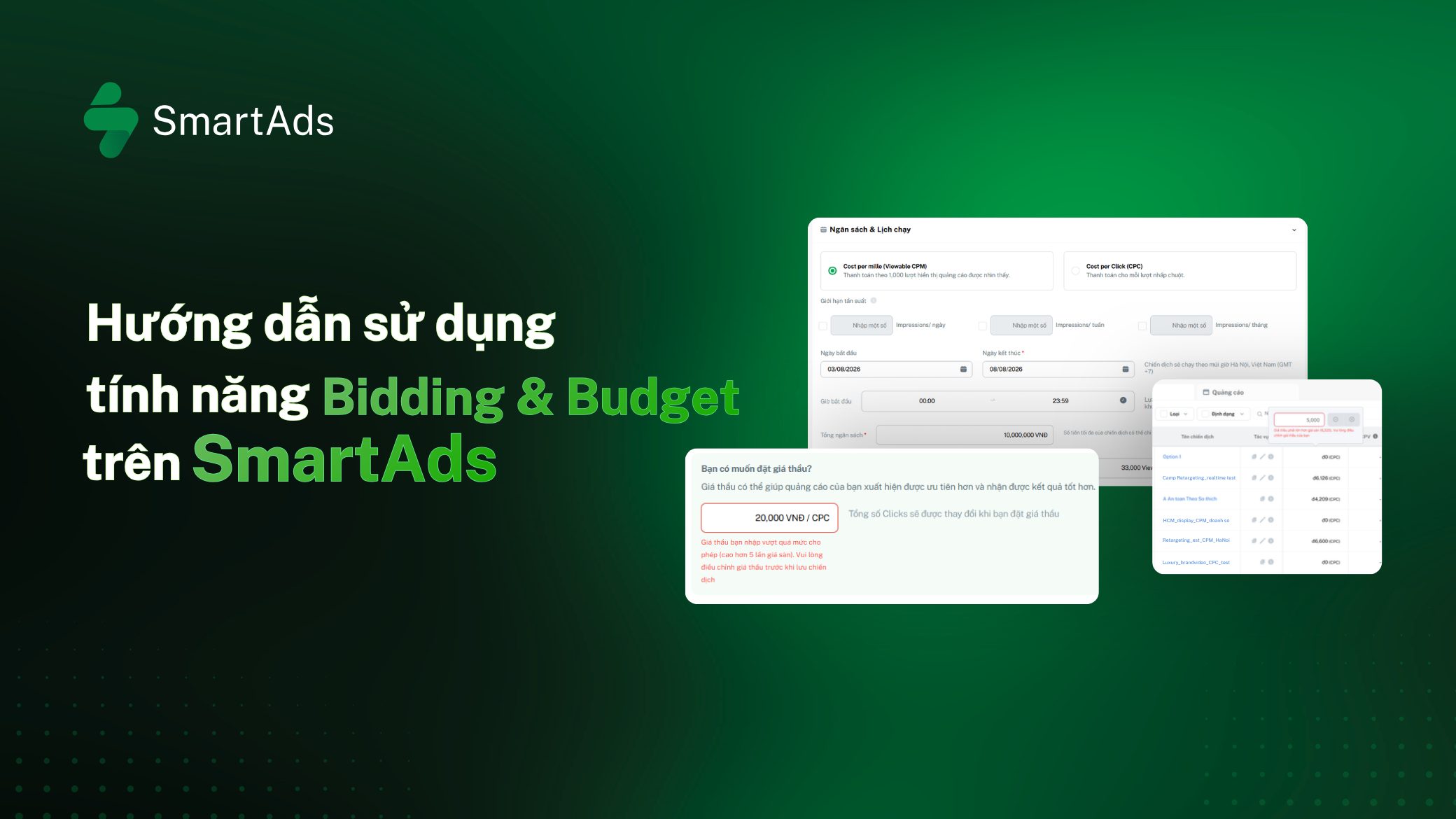
CPC (Cost Per Click) is a digital advertising model in which advertisers only pay when an ad receives an actual click from users. With CPC, you are not charged for every impression (as in CPM), but only when potential customers actively engage with your ad—helping optimize advertising budget and improve cost efficiency.
You can think of CPC bidding like an auction: marketers set the maximum bid they are willing to pay for a click on a relevant keyword. Advertising platforms such as Google Ads or Meta Ads then evaluate the bid alongside technical factors (including Quality Score) to determine which ads are displayed and in what order. This paid search and performance marketing mechanism ensures both competitiveness and relevance.
Compared to other advertising pricing models such as CPM (Cost Per Mille – cost per 1,000 impressions) or CPA (Cost Per Action – cost per conversion), CPC helps reduce wasted spend on irrelevant impressions. It is especially suitable when the objective is to drive qualified traffic to a landing page and nurture users toward further conversion actions.

When should you choose CPC instead of CPM or CPA?
Each online advertising model aligns with different campaign objectives:
- CPC is ideal for traffic generation campaigns and early-stage lead acquisition.
- CPM is effective for branding campaigns and broad brand awareness at scale.
- CPA is best suited for performance-driven stages where the goal is to drive final actions such as purchases or registrations.
Quick checklist to select the right advertising pricing model:
- Need high-quality traffic and strong budget control? Choose CPC.
- Prioritizing large-scale brand visibility? Choose CPM.
- Prefer paying only for specific conversions? Choose CPA.
Key benefits and value of CPC advertising
Budget Control and Waste Reduction
The greatest advantage of CPC advertising is flexibility and transparency: you only pay when the campaign generates actual engagement (a click). This is particularly valuable for SMEs that need to maximize limited marketing budgets efficiently. In practice, many small and medium-sized businesses leverage platforms like SmartAds to control spending and adjust budgets dynamically—avoiding the passive cost exposure often associated with impression-based models such as CPM.
Conversion Optimization & Performance Measurement
One of CPC’s strongest advantages is its clear performance tracking through essential digital marketing metrics such as:
- CPC: The average cost paid per click.
- CTR: Click-through rate, measuring the percentage of users who click on the ad compared to total impressions.
- ROI: Return on investment from advertising spend.
Best practices for implementing and optimizing CPC campaigns
To maximize results, marketers must pay attention to multiple factors that influence CPC and overall advertising performance. Below are critical considerations you should not overlook:
Ad Quality Determines Cost and Position
Quality Score is a key factor affecting your actual CPC. Most advertising platforms prioritize ads that demonstrate:
- Compelling, keyword-relevant content
- A fast-loading, high-quality landing page experience
- Strong predicted click-through rate (CTR)
- Clear, curiosity-driven headlines
- Authentic, engaging visuals
- A strong and transparent call-to-action (CTA)
Continuous Analytics and Performance Monitoring
Metrics such as CPC, CTR, and conversion rate should be continuously monitored by editors and marketers to quickly detect and optimize unexpected fluctuations. Establish a KPI framework including target CPC, expected CTR, and conversion benchmarks. Conduct periodic optimizations using a structured checklist and generate performance reports after each adjustment to measure impact.
Content Optimization and Ongoing A/B Testing
Content is the “key to success.” Regularly test different versions of headlines, descriptions, images, or videos through standardized A/B Testing methodologies to identify the highest-performing creatives and continuously improve campaign efficiency.
Smart Bid Management, Automated Budgeting & Trend Updates
Applying AI-driven bidding strategies and automated budget management helps deliver ads to the right audience segments, improve targeting precision, and maximize return on every dollar spent in your CPC campaigns.