1. Understanding real estate customer behavior: Buyers don’t start by buying, they start by researching
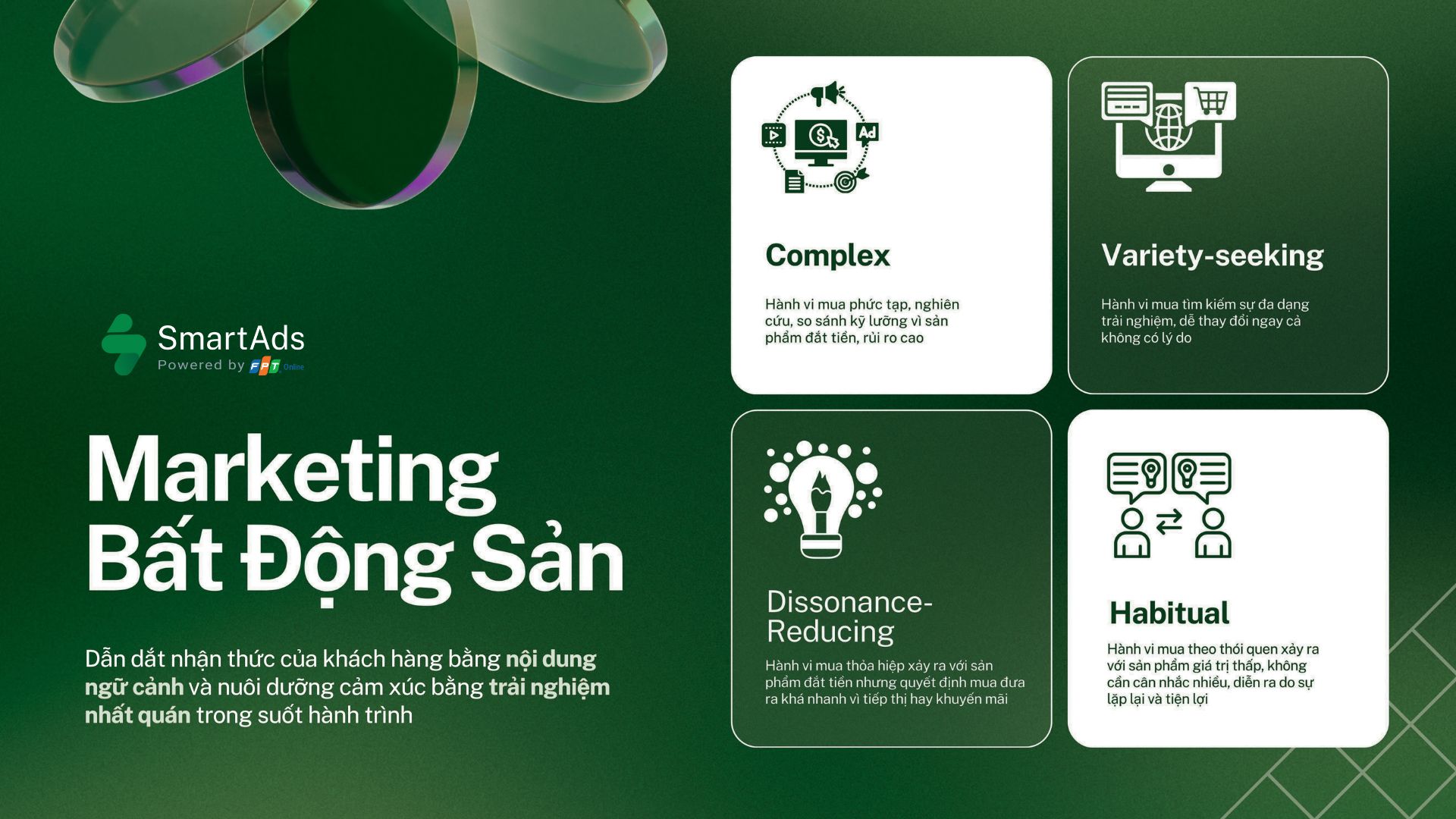
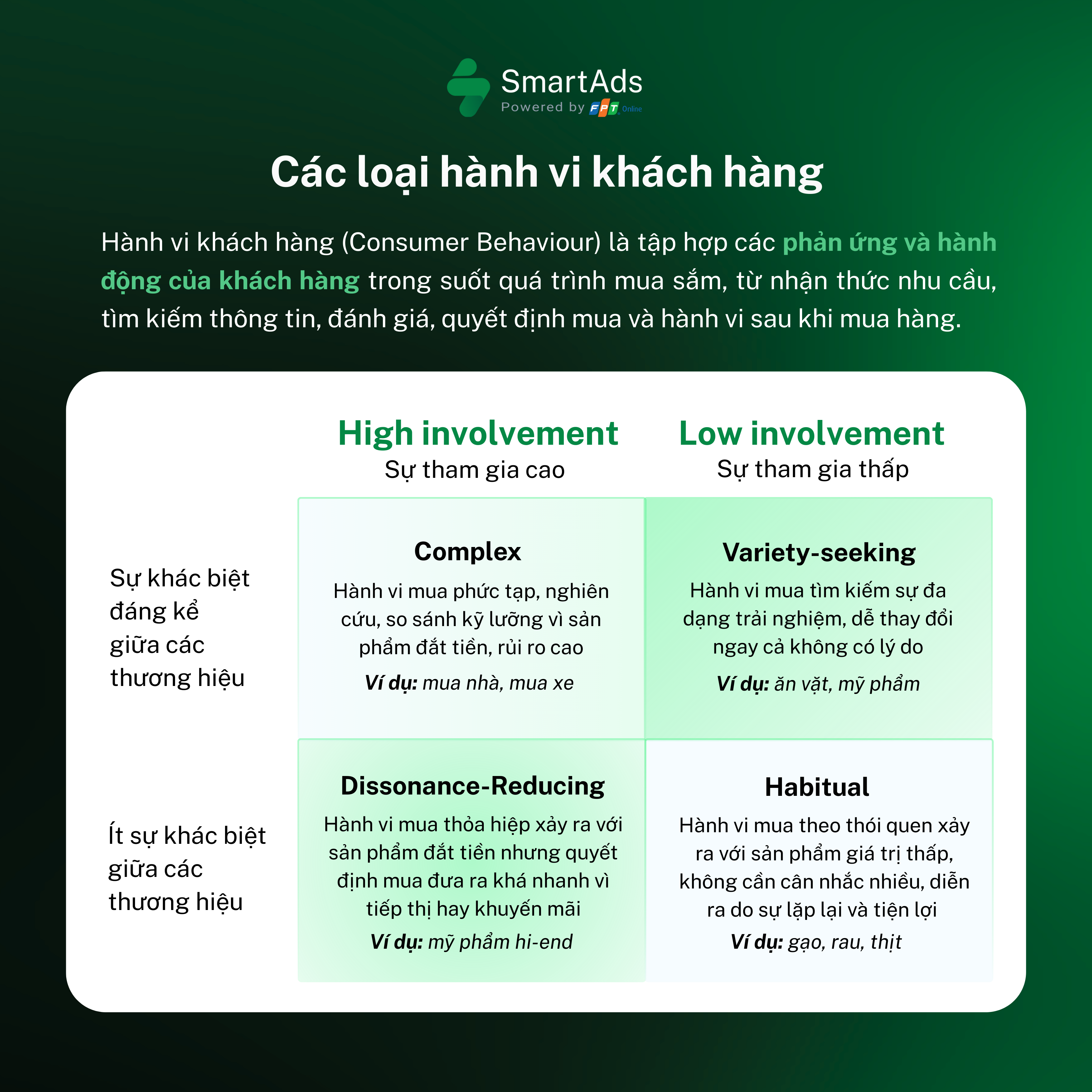
1.1. Real estate is a high-involvement decision
Unlike fast-moving consumer goods, real estate—especially residential apartment projects—has several distinctive characteristics:
-
High asset value and long-term legal risk, often impacting lifestyle choices or long-term property investment strategies
-
Lengthy decision-making cycles involving multiple stakeholders (family members, financial advisors, brokers, banks)
-
Complex information that cannot be evaluated in a single touchpoint (legal status, zoning plans, area potential, cash flow, liquidity)
-
High cost of making the wrong decision, leading buyers to be cautious, verify information, and compare multiple sources before trusting a project
As a result, the buying journey does not begin with “purchase intent”, but rather with information-seeking intent. Users need time to reduce uncertainty and build decision confidence before committing to a high-value real estate transaction.
1.2. Users consume information before they consume advertising
At this stage, users typically browse editorial sections such as economics, legal affairs, urban development, and lifestyle to understand market movements, zoning plans, infrastructure development, project legality, investment trends, population shifts, and related news. More importantly, at this point, users are usually not searching for specific project names because they do not yet have sufficient information—and often have not left any leads. They are not thinking, “I need to buy a home.” Instead, they are asking: “What is the market like right now?” or “Does this area have growth potential?”
This is a form of latent demand, where users subconsciously build a reference frame and define personal criteria—such as location, segment, legal clarity, and financial capacity—that will guide future decisions in their customer journey.
2. A common mistake in real estate marketing: “selling too early”
Many real estate advertising campaigns today skip the branding phase and jump straight into price-driven, promotion-heavy, booking-focused messages with aggressive CTAs, while users are not yet ready to receive sales messages. The inevitable consequences include:
-
Ads being perceived as disruptive noise
-
Psychological reactance and resistance
-
Users ignoring or actively blocking ads
If a brand only appears when users are already searching for projects—and rushes into selling before building sufficient brand impressions—the competition has already entered an intensely crowded stage. This often results in higher lead costs and weaker brand differentiation. Effective real estate marketing, therefore, does not start with selling—it starts with appearing at the right moment, when users are forming awareness.
This is the foundation of content-led and contextual-led marketing strategies in real estate marketing.
3. TOFU – MOFU – BOFU strategy for real estate businesses
In real estate marketing, the TOFU – MOFU – BOFU funnel is not merely a content distribution model—it is a strategic framework for guiding customer awareness and emotions over time. Since purchase behavior begins with information-seeking and uncertainty reduction, content acts as a “navigator” that helps customers:
-
Understand the market and context (TOFU)
-
Visualize project value and relevance (MOFU)
-
Make confident decisions based on clarity and persuasion (BOFU)
This is why TOFU – MOFU – BOFU becomes the backbone of content-led and contextual-led digital marketing strategies in real estate. When combined effectively, brands no longer interrupt the customer journey—instead, they naturally accompany users as they form and reinforce property investment decisions.
3.1. TOFU stage – Building awareness through contextual content
Primary objective: Build brand and project awareness organically, laying the foundation for familiarity and early recall—without pushing solutions or sales messages.
Customer behavior: Users are not yet aware of or interested in a specific project. They are consuming news and analysis related to economics, legal frameworks, urban planning, and lifestyle. Their mindset is “passive but open.”
Content and channel strategy: At TOFU, the market and broader context are the main protagonists, while the project acts only as a subtle touchpoint. Messaging should guide emotions from general issues → emerging desires → a new living standard. Recommended channels include:
-
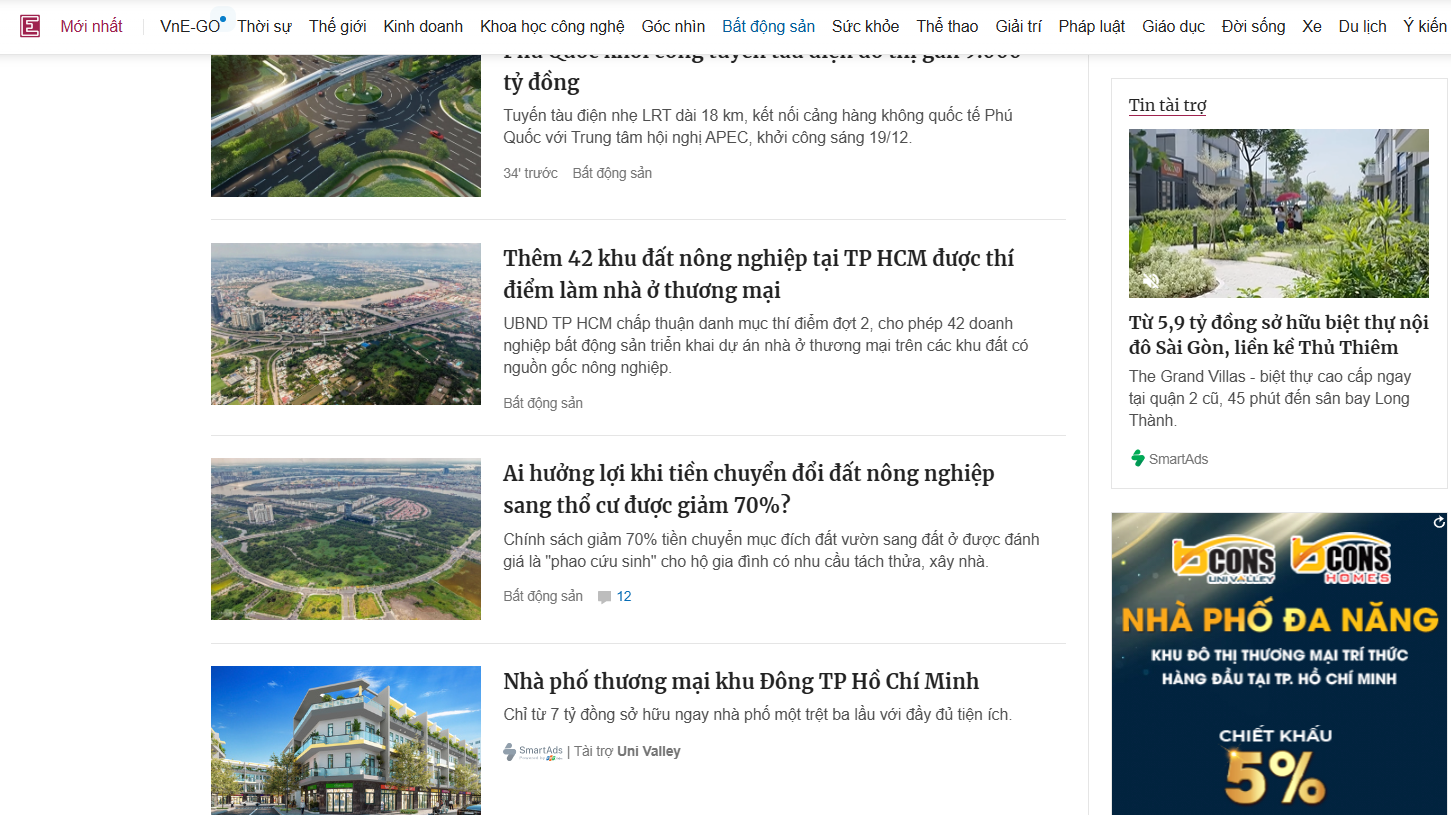
PR articles on reputable news platforms: Editorial-style, in-depth long-form content combined with visuals, focusing on real estate market overviews, living trends (green living, riverside living, satellite cities), infrastructure, urban planning, legal transparency, and long-term investment perspectives.

-
On-site advertising within news platforms: Native image ads, display ads, and brand video ads targeted contextually or via relevant keywords such as Real Estate Marketing and Property Investment.
TOFU success is not measured by leads, but by presence, optimal frequency, and memorability in the audience’s mind.
3.2. MOFU Stage – Nurturing Emotions and Consideration
Primary objective: Help customers gain a deeper understanding of the project, foster positive emotions, and build trust—thereby moving them from simple “awareness” to “active interest and consideration.”
Customer behavior: Users have previously interacted with project-related content or relevant topics and now begin proactively researching—reading more articles, watching videos, and comparing options within the same area. They pay closer attention to how well the project aligns with their lifestyle needs or property investment goals.
Content and channel strategy: At the MOFU stage, the project gradually becomes the central focus—not through hard selling, but through real experiences and tangible value. Content should shift from broad context to concrete visualization, helping readers answer the question: “Is this project right for me?” Content execution can be combined as follows:
-
In-depth PR articles analyzing the project: Branded content that focuses on living experience, on-site amenities, lifestyle positioning, and key differentiators compared to competing projects in the same area. These articles should function like an “objective review,” providing sufficient information for readers to compare options and form their own perspectives, while including backlinks to the project’s landing page.
-
Video content and short-form formats: Videos showcasing living spaces, amenities, show units, or lifestyle narratives help users visualize the project more easily and create stronger emotional connections than text-only content.
-
Behavior-based performance advertising: Use performance video ads or native image ads targeted by user behavior (read articles, watched videos, interacted with content) to reinforce project recall and guide users toward deeper exploration on the website or landing page.
3.3. BOFU Stage – Driving Decisions and Conversions
Primary objective: Build the highest level of trust and encourage customers to submit consultation details, moving closer to purchase or property investment decisions.
Customer behavior: Customers are deeply interested in the project and actively comparing pricing, promotional policies, financial plans, and legal security. They require clear information, compelling justification, and final validation before taking action.
Content and channel strategy: At the BOFU stage, content no longer focuses on inspiration, but on reducing perceived risk and increasing reassurance. The strategy should tightly integrate conversion-focused content with multi-channel retargeting, ensuring customers repeatedly “encounter” the project in familiar contexts before making a decision. Execution includes:
-
Conversion-focused content on website/landing pages: Clearly present pricing, promotions, financing support, construction progress, and project legal status. Content should be concise, transparent, and paired with strong CTAs such as “Get Financial Consultation,” “View Price List,” or “Schedule a Site Visit.”
-
Conversion-driven performance advertising: Focus on high-intent audience segments with messaging that highlights tangible value, financial advantages, and strong reasons to make a decision at the current time.
-
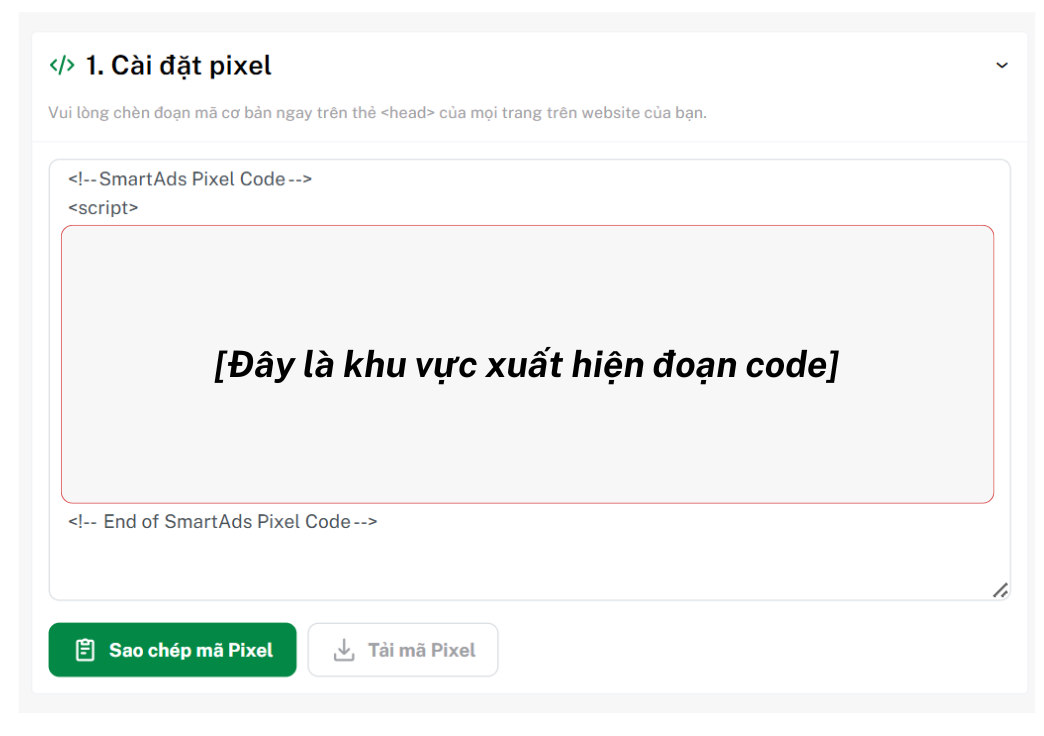
Pixel implementation to enable multi-channel retargeting back to the website: Behavioral data from users who have visited the landing page—even from previous campaigns—is a valuable asset for personalized remarketing efforts. As users continue browsing news or related content, they may encounter the project’s ads again, reinforcing recall and trust. This is essential in a market with thousands of competing apartment products, where targeting the wrong audience can render every impression meaningless.
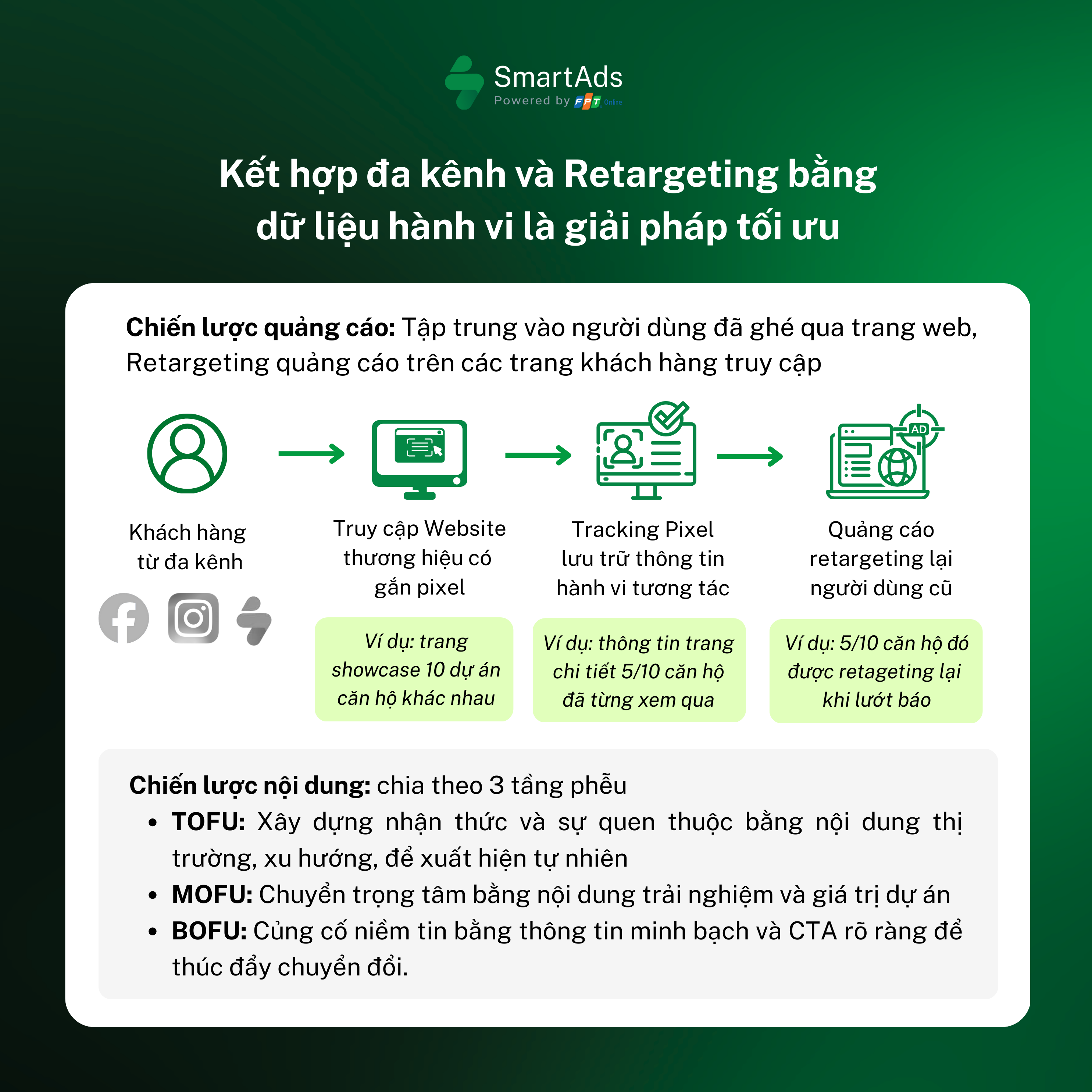
Data collected from these tracking codes forms the foundation for identifying users based on interaction behavior and delivering relevant ads across multiple channels. As a result, brands can expand touchpoints along the customer journey and maintain consistent presence with personalized messaging.