1. So, What Is Lifestyle Marketing?
Lifestyle marketing is a strategic approach that connects a brand with the lifestyles, values, and aspirations of its target consumers. Instead of highlighting product features, brands communicate an evocative vision of the life customers can “own” when they engage with the brand.
Key characteristics of this marketing approach:
-
Focus on values and emotions: Emphasizes what the brand represents and the values consumers aspire to, such as luxury, dynamism, minimalism, or refined living.
-
Relationship-building: Creates a deeper emotional bond with customers, making them feel understood and respected for their lifestyle choices.
-
Contextual product positioning: Places the product within a specific lifestyle setting, helping consumers visualize how it fits into their everyday lives and brand experience.
-
Strengthening brand loyalty: Enhances customer loyalty because people feel personally connected to the brand, seeing it as an extension or symbol of themselves.
For premium and luxury brands, lifestyle marketing goes beyond storytelling — it builds a distinct brand culture. A classic example: Apple sells refinement and sophistication, while Nike sells the aspiration of a powerful, active lifestyle.
>>> Explore how luxury brands apply premium pricing strategies.
2. Why Do Premium Brands Need Lifestyle Marketing?
-
Premium consumers buy “meaning”, not just products: High-end customers make decisions based on emotional drivers such as sophistication, status, personal identity, and aspirational living. Lifestyle marketing delivers messages that resonate with those values and consumer behavior.
-
Boosts Brand Equity & Brand Love: When a brand aligns itself with a specific lifestyle, affinity and recognition grow significantly, strengthening long-term brand building.
-
Creates sustainable differentiation: In luxury segments, competition is shaped not by product features but by brand stories. Lifestyle marketing builds a unique “brand DNA” that competitors cannot easily replicate.
-
Enhances perceived value and profit margins: A lifestyle-driven brand can maintain premium pricing naturally because consumers believe they are investing in a life experience, not just an item.
3. Steps to Implement a Lifestyle Marketing Strategy for Premium Brands
3.1. Building the lifestyle persona of your target customers
To develop an effective lifestyle marketing strategy, brands must understand not only who their customers are, but also who they aspire to become. Deep research into their interests, values, and aspirations helps brands craft an accurate and emotionally rich lifestyle portrait. This includes:
-
The lifestyle they pursue, from how they enjoy life to their personal aesthetic standards.
-
The values they uphold, such as sophistication, quality, exclusivity, or uniqueness.
-
The type of content they are drawn to, reflecting their aesthetic taste and emotional needs.
-
The self-image they want to express, including their style, status, and lifestyle standards.
-
The communities they want to belong to, where they seek alignment in taste and social norms.
For high-end customers, insights often revolve around sophistication, achievement, distinction, and symbolic value — qualities that help them affirm their identity and social status. These insights are the foundation for shaping brand messaging, visuals, and experiences that meet the expectations of the luxury segment.
3.2. Embedding products into lifestyle contexts (contextual storytelling)
Build brand stories around visuals and content that reflect a specific lifestyle, where the product plays a central role in helping customers achieve that way of living. Brand content should appear within contexts such as:
-
Luxury travel experiences
-
Exclusive high-end events
-
Minimalist and modern living spaces
-
Moments of life enjoyment
-
Rituals that elevate personal experiences
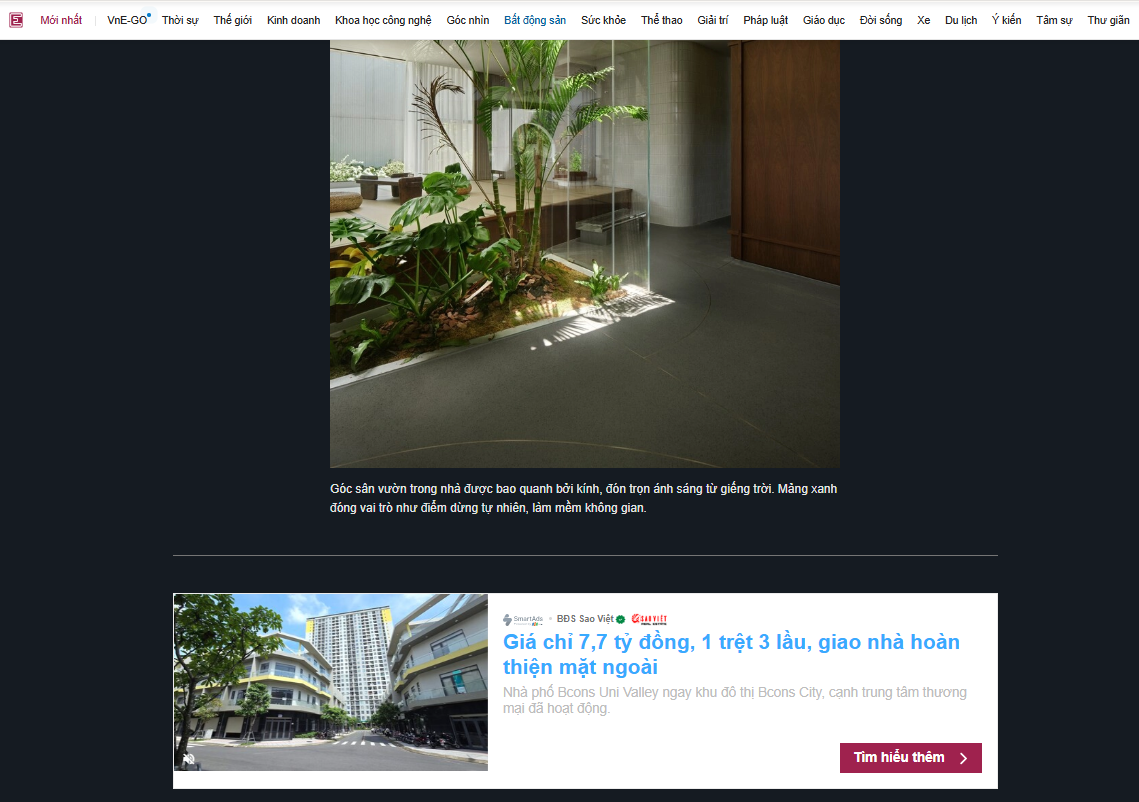
When brands appear in editorial categories aligned with these lifestyles on major media outlets, credibility is reinforced, amplifying the influence of the brand story. Choosing the right context in a “lifestyle marketing” strategy helps brands tell their story in a more visual and emotionally resonant way — creating a sense of aspiration for the audience. When the product is placed in the right context, consumers can easily perceive the experiential value the brand delivers and see how it harmonizes with their own identity.
3.3. Partnering with influencers whose lifestyles align with the brand
In lifestyle marketing, success is not defined by follower count, but by the degree of alignment between an influencer’s image and the brand’s essence. Premium brands prioritize influencers with refined aesthetics, consistent taste, and a lifestyle that reflects what their target customers aspire to. These often include:
-
Reputable experts in lifestyle, travel, aesthetics, or luxury experiences.
-
Celebrities with a polished, elegant image that embodies the luxury spirit the brand aims to convey.
-
Trendsetters within high-end communities who meaningfully influence luxury consumer behavior.
-
Creators with a consistently elevated lifestyle, regularly producing content centered on high-quality living.
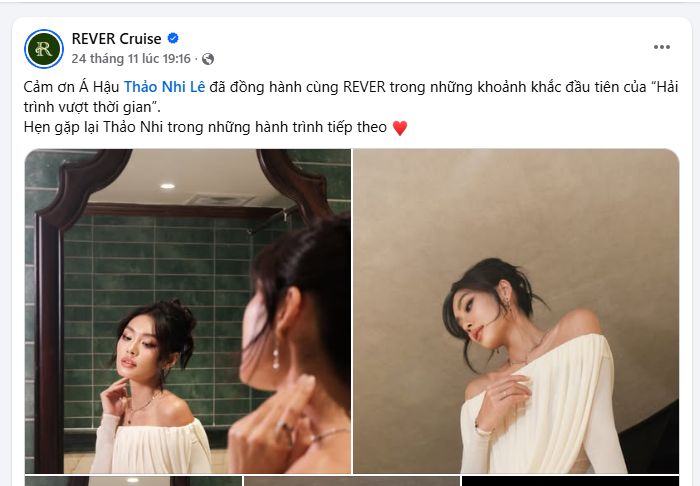
For example, Rever, a luxury cruise brand, partnered with Beauty Pageant Runner-up Thao Nhi Le, known for her modern, chic, and refined image. Her presence in cruise experience content brings a natural yet sophisticated feel, perfectly embodying the "luxury lifestyle" Rever aims to express.
When an influencer's image aligns with the brand’s identity, the story becomes more compelling: customers don’t just see the product — they feel the lifestyle they could step into. This emotional connection mirrors the impact of contextual storytelling, making the brand more desirable and credible among high-end audiences.
3.4. Creating an experiential ecosystem
For premium brands, advertising alone is not enough. What truly matters is creating a holistic experiential ecosystem where customers can enter, feel, and live inside the brand’s world. These “experience spaces” not only showcase products but also portray the lifestyle the brand represents, including:
-
High-end pop-up stores designed with a signature aesthetic language.
-
Private events with limited guest lists, offering exclusivity and intimacy with the brand.
-
Member-only clubs or communities, connecting customers who share similar tastes and lifestyle standards.
-
Ritualized product trials that turn sampling into a memorable moment.
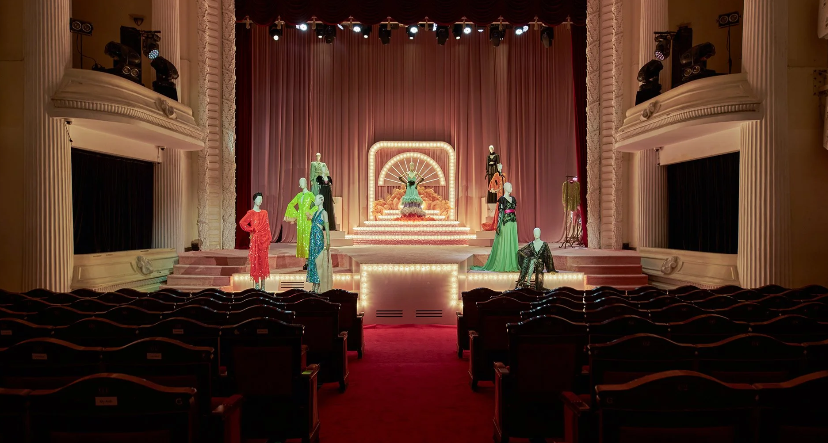
For instance, Gucci once hosted Cine Gucci in Ho Chi Minh City, transforming the Saigon Opera House into a multisensory space with lighting, sound, artistic installations and a special collection display. VIP guests were immersed in Gucci’s world from the red carpet to photo ops and curated product experiences, all crafted to deliver exclusivity, elegance, and emotional depth.
Through these carefully orchestrated touchpoints, customers don’t just learn about the product they become part of the brand’s value universe, eventually evolving from casual buyers into loyal fans who proudly advocate for the lifestyle the brand represents.
3.5. Multi-sensory content
For luxury lifestyle brands, content is not just something to watch or read — it is something to feel. Every detail is fine-tuned to spark emotion and evoke luxury experiences, including:
-
Artistic visuals with refined lighting and sophisticated composition.
-
Curated sound experiences that create a sense of completeness and relaxation.
-
Emotionally expressive language that helps audiences imagine “living with the product.”
-
Elegant, gentle storytelling rhythms that establish a premium feel from the first moment.
This is why luxury content often carries a cinematic tone — not merely introducing the product, but opening the door to an emotional world customers long to step into.
4. Tactical checklist for implementing Lifestyle Marketing for major brands
-
Lifestyle-led content: lookbooks, travel diaries, “a day in the life”.
-
Native ads on premium media: appearing in contexts aligned with customer lifestyles.
-
Social-first visual content: Instagram/TikTok with aesthetic — cinematic concepts.
-
Collaborations with luxury partners: fashion, cars, spirits, art… expanding the lifestyle ecosystem.
-
Community-driven marketing: building lifestyle-aligned loyal customer communities.
-
Offline activations: private parties, showcases, premium workshops.
-
PR & major media coverage: features, interviews, editorials on lifestyle, luxury, or national outlets.
-
Specialized media ads: ad placements in segments for entrepreneurs, elites, and high-net-worth individuals.
-
Refined influencer marketing: partnering with KOL/KOC whose lifestyle fits the brand — prioritizing quality over follower count.
-
Luxury email & CRM: newsletters, VIP invitations, exclusive updates.
-
Premium experience-driven videos: mini-documentaries, cinematic storytelling, behind-the-scenes content.
-
Experiential retail marketing: pop-ups, immersive showrooms, ritualized test-drives or try-ons.
-
Exclusive events: galas, dinner parties, art exhibitions, VIP workshops.
-
UGC & customer ambassadors: encouraging customers to share their luxury moments and authentic experiences.
-
Podcasts / audio storytelling: lifestyle, travel, culture, and art content tailored to premium audiences.
-
Premium media partnerships: co-branded content with top-tier online and offline publications.
Conclusion
Lifestyle marketing is not merely a communication method — it is a long-term positioning strategy that enables premium and luxury brands to build sustainable differentiation. By tapping into customer values, emotions, and lifestyles, brands can elevate perceived value, strengthen identity, and cultivate deep loyalty.