Landing page definition and objectives
What is a landing page?
A landing page is a standalone web page designed with a single, clearly defined conversion goal - such as signing up, making a purchase, downloading resources, or requesting a quotation. Unlike full websites with multiple sections and navigation paths, a landing page concentrates all user attention on one specific conversion action, minimizing distractions and friction.
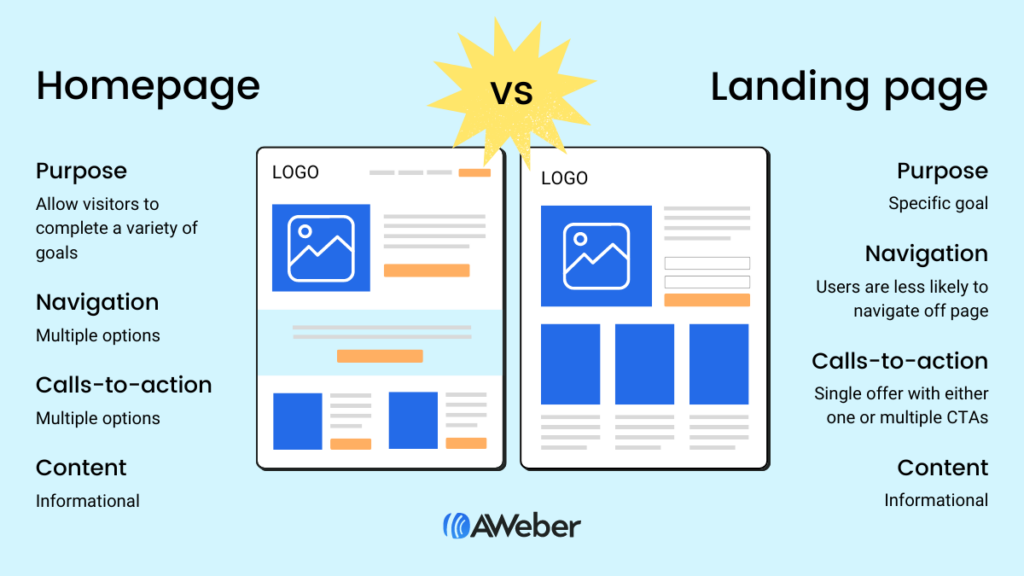
The key distinction from traditional websites lies in structure: a landing page removes secondary elements, simplifies navigation, and revolves around a single, compelling message paired with a strong call to action (CTA). As a result, the role of a landing page within the marketing funnel is to guide prospects step by step toward a clear conversion decision.
Defining Clear Goals for Your Landing Page
An effective landing page focuses on just one conversion action. Clearly defining this objective helps marketers avoid the common pitfall of adding too many options, which can confuse users and reduce conversion rates. Depending on your campaign goals, you should select one of the following:
- Email sign-ups, trial registrations, or newsletter subscriptions
- Direct purchases or deposits
- eBook downloads or promotional gifts
- Quotation requests or consultation bookings
In practice, the more focused a landing page is, the higher its conversion potential. If you are running paid advertising or remarketing campaigns, ensure that each landing page features only one prominent CTA to maximize results.
Key elements of a high-converting landing page
To design a professional landing page that drives conversions effectively, marketers should pay close attention to the following three groups of elements:
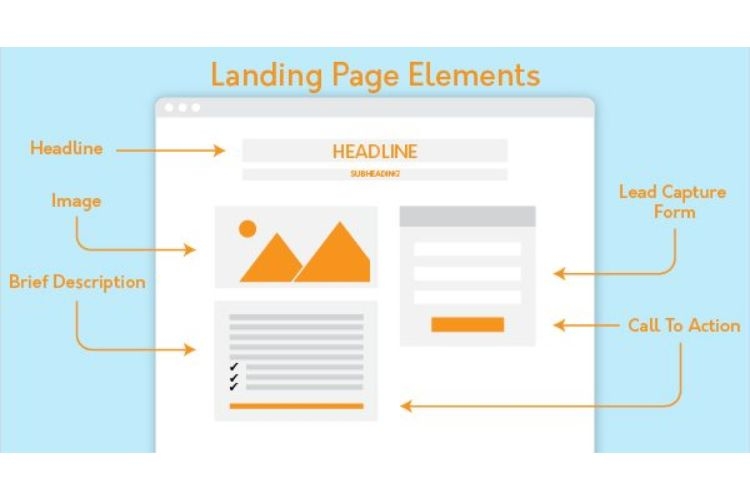
Design and Visual Elements
- Prioritize high-quality, visually clear images that are relevant to the product or service and aligned with the psychology of the target audience
- Use a minimalist layout (typically a single-column design) that highlights the main conversion elements such as buttons or sign-up forms
- Maintain consistent colors and typography in line with brand identity to build professionalism and trust
- Optimize image sizes to ensure fast page load speed. According to Think With Google, just a one-second delay in page load time can reduce conversions by up to 20%
Content and Call to Action
- Craft clear, compelling headlines that communicate the core value within the first five seconds
- Align content closely with customer needs, pain points, or challenges
- Design standout CTAs (color, size, placement) that are easy to recognize and encourage immediate action
- Use natural, user-friendly language and avoid excessive technical jargon
- Integrate primary and secondary keywords naturally across headlines, descriptions, meta elements, and image attributes to support SEO performance
Technical Setup and Measurement
- Ensure the landing page is fully responsive and optimized across all devices, from mobile to desktop
- Use short, memorable URLs and prioritize HTTPS for security and trust
- Continuously run A/B testing on different layouts, headlines, and CTAs to identify the highest-performing variant
- Preconfigure analytics tools such as Google Analytics 4 event tracking, Meta Pixel, or other advanced analytics platforms to measure and optimize performance based on real data
Benefits of an optimized landing page
A professionally designed landing page not only improves conversion rates but also delivers comprehensive value across advertising performance, brand building, and customer data collection.
Higher Conversion Rates
According to Salekit.io, simply using high-quality product images can increase conversion rates by up to 65%. This demonstrates that investing in landing page optimization goes beyond aesthetics and directly impacts business outcomes.
Improved Advertising Efficiency and Lead Generation
When running multi-channel campaigns on Google, Facebook, or the SmartAds Native Ads ecosystem, an optimized landing page helps increase ROI by converting traffic more effectively and reducing wasted ad spend from low-quality visits. More importantly, landing pages make it easy to integrate lead generation forms or gated content, enabling brands to build a high-quality prospect database for remarketing and long-term customer nurturing.
Stronger Brand Recognition and Performance Insights
A well-optimized landing page that aligns with brand identity creates a positive first impression from the very first interaction. Equally important, KPIs such as conversion rate, bounce rate, and time on page gathered from landing page performance provide actionable insights for marketers to measure, benchmark, and continuously improve campaign effectiveness.
In summary, designing a high-converting landing page is not only a creative exercise but also an ongoing process of data analysis and continuous optimization - ensuring that every marketing dollar is invested wisely.