Definition of bounce rate
Bounce Rate is the percentage of visitors who leave a website after viewing only one page without performing any additional interaction. Previously, in Universal Analytics, a “bounced session” referred to visits where users viewed a single page and exited the site. However, starting with Google Analytics 4, this definition has evolved: a session is considered a bounce if it lasts under 10 seconds, does not include a second page view, and does not trigger any conversion event.
How to calculate bounce rate
The standard formula for calculating bounce rate is straightforward:
- Bounce Rate = (Single-page sessions / Total sessions) x 100%
When analyzing bounce rate, it is recommended to segment data by traffic sources such as:
- Organic (SEO)
- Paid (advertising)
- Referral (traffic from other websites)
- Social (social media platforms)
Google Analytics 4 remains the most powerful tool for measuring bounce rate. However, GA4 data may differ significantly from Universal Analytics due to the updated definition of “bounce”.
Differences between bounce rate and other metrics
Do not confuse bounce rate with conversion rate, time on site, or dwell time. While bounce rate indicates how many users leave the website immediately after landing, conversion rate measures how many sessions complete a specific goal. Time on site calculates the average time spent on the website, while dwell time focuses on user engagement between search engine results and the destination webpage. Understanding the distinction between these metrics helps marketers avoid misinterpreting digital campaign performance.
What is a good bounce rate for a website?
There is no universal “ideal” bounce rate that applies to every industry. The optimal benchmark depends on the business sector, website goals, and user behavior patterns. However, if bounce rate consistently exceeds 70%, it may be necessary to review user experience, content relevance, or the overall quality of incoming traffic - except in cases such as blogs or single-purpose landing pages where higher bounce rates are relatively common.
Five main reasons bounce rate fluctuates on most websites
- Suboptimal user experience (UX/UI)
- Slow page loading speed
- Low-quality or poorly targeted traffic
- Unengaging content or content that fails to match user intent
- An ineffective internal linking strategy
Important considerations when evaluating bounce rate
-
A high bounce rate often signals potential issues related to user experience or page content, such as irrelevant information, slow loading speed, cluttered interface, or intrusive pop-ups. However, in certain landing pages designed for direct phone calls, users may convert after viewing only one page and then exit. This is why context is essential when interpreting bounce rate data.
-
Google does not use bounce rate as a direct ranking factor. Nevertheless, websites with stronger engagement signals and lower bounce rates often achieve better SEO performance because they reflect a positive user experience. Paid advertising campaigns also benefit from lower bounce rates, helping reduce wasted budget on low-quality traffic.
-
For a more accurate website performance evaluation, bounce rate should be analyzed alongside the following metrics:
- Average Session Duration
- Conversion Rate
- Pages/Session
-
Bounce rate can fluctuate depending on seasonality, marketing campaigns, or specific traffic sources. Tools such as A/B testing, heatmaps, and scroll maps help identify exactly where users drop off or remain engaged. These insights support data-driven decisions to improve website performance effectively.
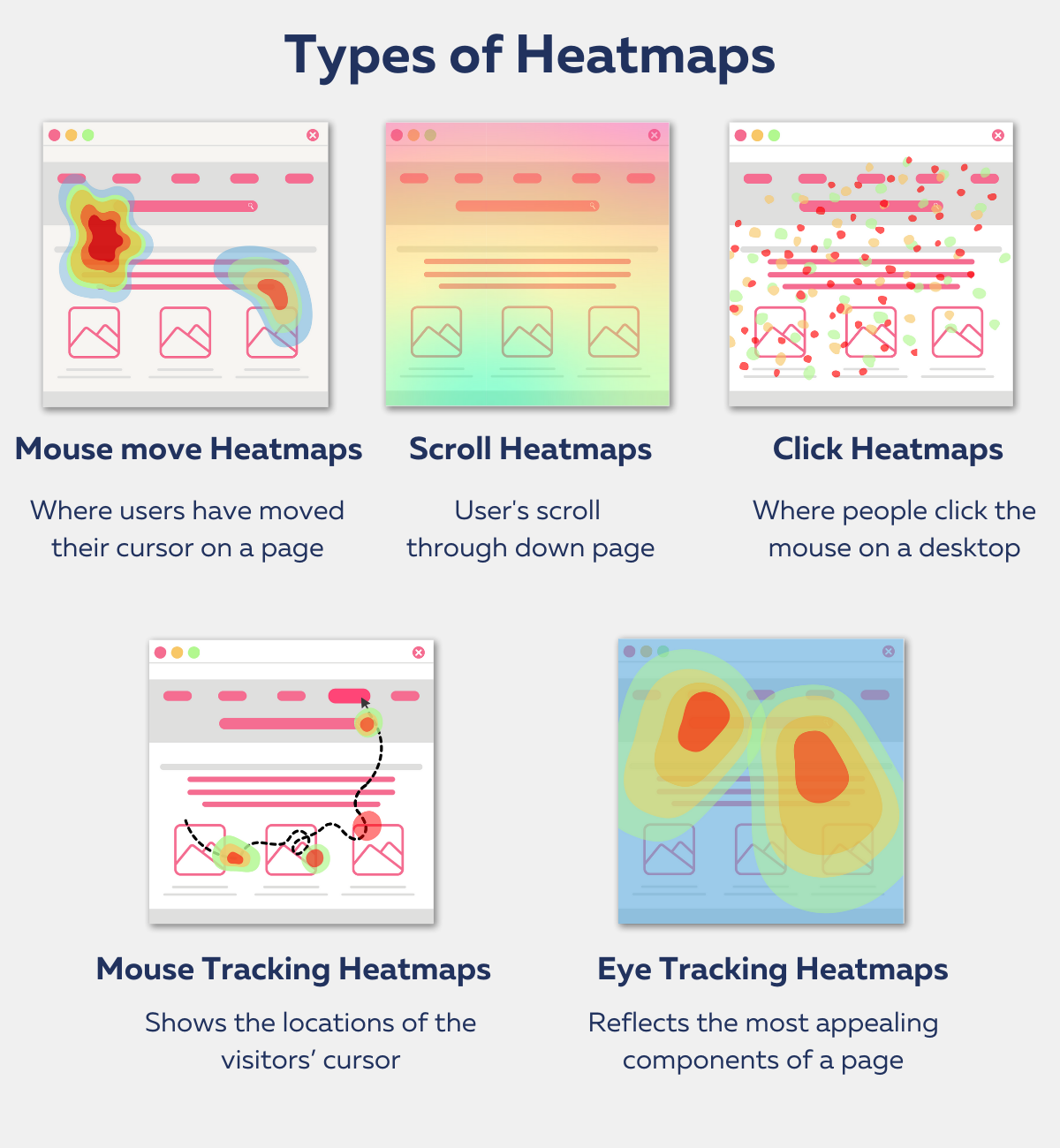
- Additionally, certain page types such as landing pages, pricing pages, or in-depth articles have unique characteristics. In these cases, a lower bounce rate is not always necessarily better. Results should be evaluated through before-and-after optimization comparisons rather than relying on generic benchmarks.
Conclusion: Regardless of your industry, understanding bounce rate correctly, continuously measuring it, and applying optimization strategies are essential steps toward sustainable digital growth in the evolving online landscape of 2025.