What are native ads?
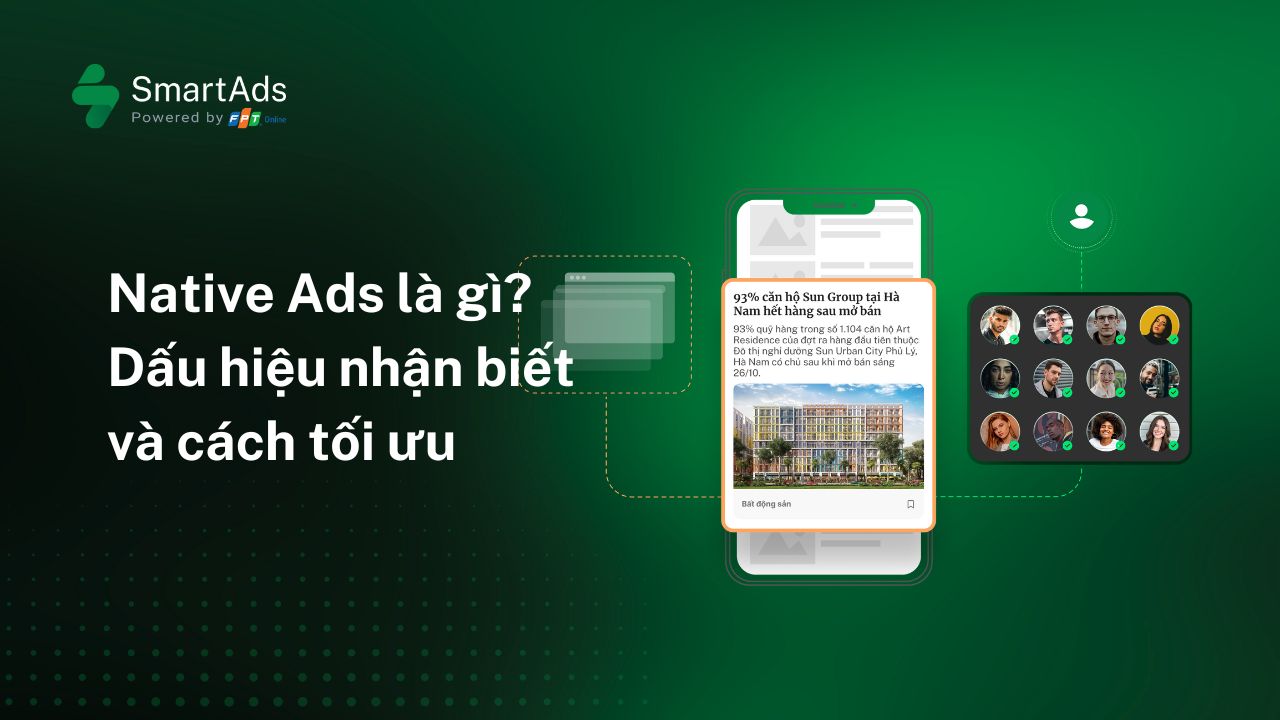
Native Ads, also known as native advertising, are ad formats designed to match the form, tone, and context of the surrounding content. As a result, audiences receive valuable information while brands can naturally guide users toward desired actions. Native Ads not only deliver short-term performance but also help build long-term brand trust and credibility.
How to identify native ads
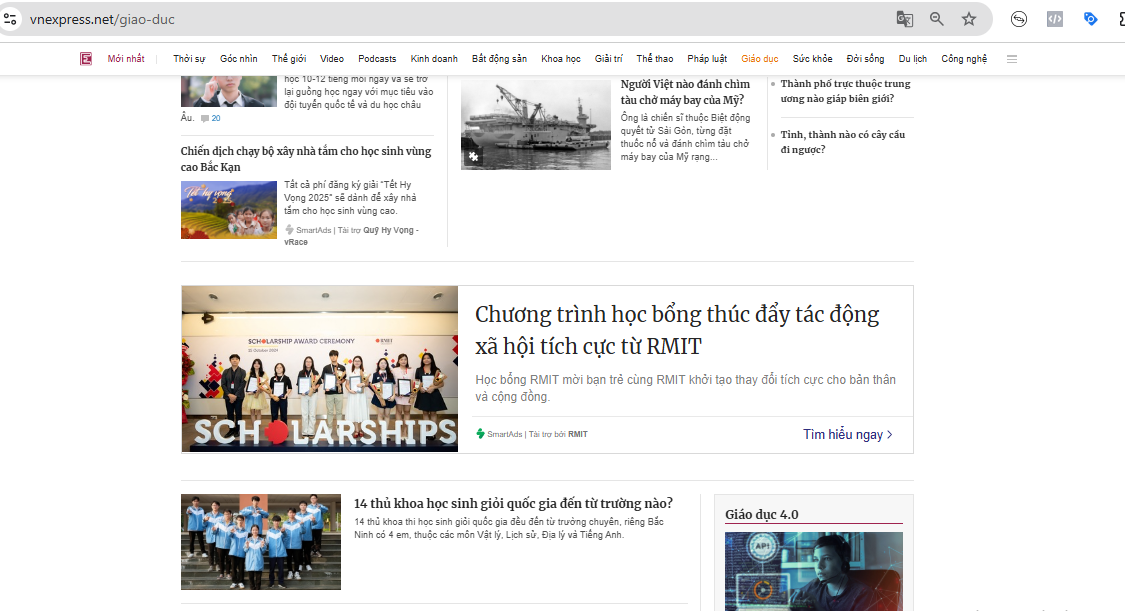
Although native advertising is designed to blend seamlessly with surrounding content, there are still several signals that help users recognize it:
-
Labels such as “Advertisement” or “Sponsored”: Most reputable platforms attach small labels like Sponsored, Advertorial, or Sponsored by… to ensure transparency for readers.
-
A distinct tone: Advertising articles usually focus more on promoting products or services than on purely objective analysis. For example, in an article titled “10 summer skincare tips,” if one section highlights the benefits of a specific sunscreen product, it may likely be a Native Ad.
-
Links directing to brand websites: Instead of leading to another internal article from the publisher, native ads often redirect readers to the brand’s website or landing page.
-
Intentional messaging within the content: If an article about running includes a suggestion to use a specific health tracking app, there is a strong possibility that the content is sponsored.
How native ads differ from traditional advertising
Native ads (native advertising)
-
Display format: Ads are designed to integrate seamlessly into the content environment and user interface (for example: in-feed ads on social media or sponsored articles on online newspapers).
-
User experience: Non-disruptive and often difficult to distinguish from surrounding content, allowing users to consume information more naturally.
-
Objective: Focus on engagement, trust-building, and delivering value similar to useful editorial content.
-
Effectiveness: Typically achieves higher CTR (click-through rate), as users feel they are “reading content” rather than “viewing an advertisement.”
Traditional advertising (display ads, banner ads, TVCs…)
-
Display format: Appears separately and is easily recognized as advertising (banners, pop-ups, or interruptive TVCs).
-
User experience: Often disruptive or easily ignored, leading to “ad blindness.”
-
Objective: Focus on rapid brand awareness by capturing attention through striking visuals or sound.
-
Effectiveness: Heavily dependent on frequency and advertising budget; voluntary engagement from users is typically lower.
In general, Native Ads differ from traditional advertising because they are designed to integrate naturally into the user’s content experience. This approach makes brand messages more subtle and less likely to be resisted. While traditional ads (such as banners, pop-ups, or interruptive TVCs) appear more directly and may disrupt user experience, Native Ads feel closer to “useful content.” As a result, users are more likely to engage and interact with them. This natural integration helps Native Ads generate stronger engagement and trust compared with formats that rely solely on capturing attention.
Six common types of native ads and their characteristics
In practice, native advertising comes in many forms. The most common formats include:
-
In-feed ads: Appear directly within a newsfeed stream. Commonly seen on Facebook, TikTok, or online newspapers, where sponsored content blends with organic posts and is usually marked with a “Sponsored” label.
-
Recommended content: Suggested content displayed at the end of an article or along the sidebar, often accompanied by titles like “You may also like.” These typically lead readers to promotional content or brand landing pages.
-
Promoted listings: Sponsored products that appear prominently on e-commerce platforms (such as Shopee or Lazada). They often carry an “Ad” label or appear at the top of product listings, even if they are not the best-selling items.
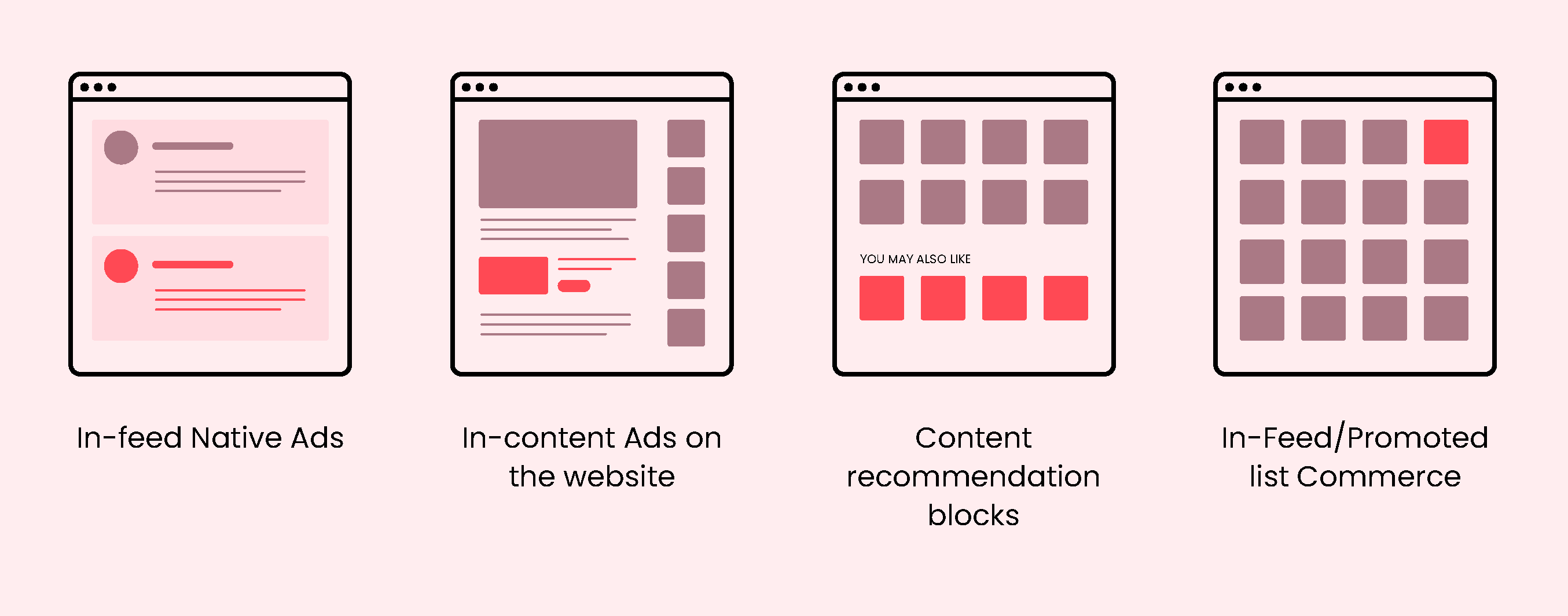
- Search ads: Paid advertisements appearing at the top of search engine results pages (such as Google). They can be identified by small labels like “Ad” or “Sponsored.”
-
Social media native ads: Ads designed to resemble regular social media posts (on platforms like Instagram or LinkedIn). They may include videos, images, or carousel formats and allow users to comment, share, and like just like organic content.
-
Break page ads: Appear when users finish reading an article or watching a video and are about to move to the next page. This natural “pause point” allows ads to be inserted without disrupting the user experience. They are often displayed as banners, images, or short videos designed with colors and layouts that match the page content.
How native ads work
At their core, native ads operate based on a supply-and-demand model. Publishers generate revenue by selling advertising placements, while advertisers pay to display their messages directly to potential customers. This can occur on niche industry magazines or major online news sections.
When native advertising runs online, the process typically works as follows:
-
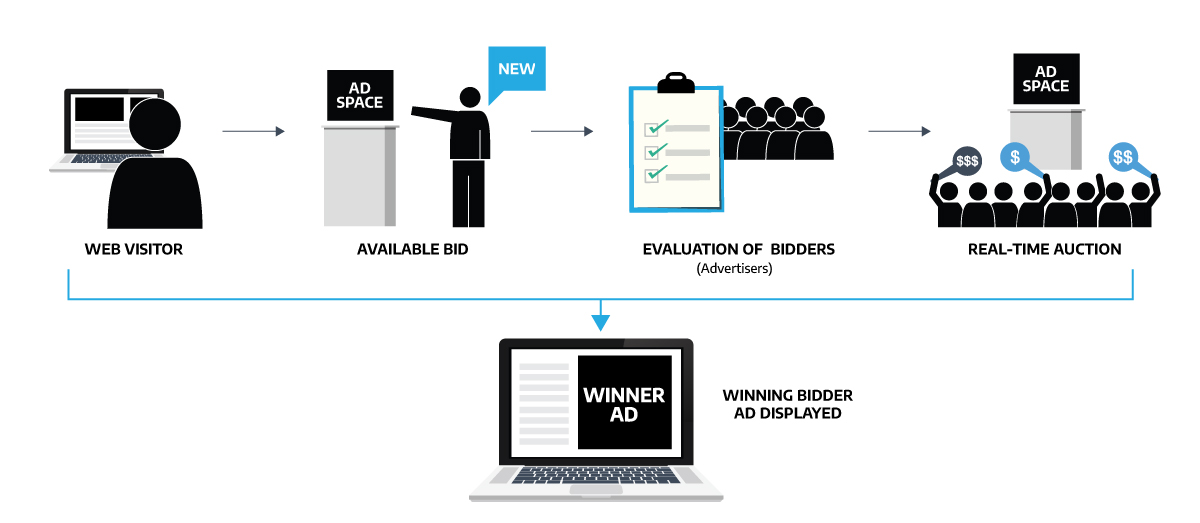
A user visits a website → an ultra-fast auction is triggered in less than a second, known as real-time bidding (RTB).
-
The publisher’s supply-side platform (SSP) sends a request to a demand-side platform (DSP), where multiple advertisers are ready to place bids.
-
The highest bidder wins → their ad (which may be an article, video, or PR content) is displayed in a natural placement on the page, appearing similar to editorial content.
-
Users view and interact. The results may include stronger brand awareness, higher click-through rates (CTR), or even generating qualified leads and conversions.
Example: When reading an online article about “healthy eating trends,” you might see another article within the content titled “5 plant-based milks recommended by nutrition experts.” This is a native advertisement. It looks like an editorial article, but it is actually paid promotional content linking to a brand’s product page.
Overall, the power of Native Ads lies in their “natural” integration. Instead of interrupting readers with flashy banners or intrusive pop-ups, advertising messages become part of the reading experience. This subtle approach is why native advertising often generates significantly higher engagement rates compared to traditional ad formats.
>>> Learn how to write advertising headlines that improve CTR
Key benefits of native ads in marketing strategies
Higher engagement and improved conversion rates
Because they blend seamlessly into the content stream, Native Ads often achieve significantly higher CTR performance. Studies show that native advertising can generate up to 8.8× higher CTR than banner ads, while also improving brand favorability by 9% and purchase intent by 18% compared to traditional display advertising.
More cost-efficient advertising
Native Ads allow businesses to achieve stronger campaign performance with optimized budgets through AI-driven targeting and contextual targeting.
Improved brand awareness and higher-quality traffic
Rather than forcing ads onto readers, Native Ads reinforce brand credibility by complementing valuable content. Traffic generated through native advertising often consists of genuinely interested audiences, helping reduce bounce rates and increase the likelihood of conversion.
Advanced audience targeting capabilities
Modern Native Ads integrate AI technologies to personalize user experiences, enable behavioral remarketing, and deliver contextual targeting based on reader interests or content categories.
Best practices when running native ads to maximize campaign performance
To fully leverage the potential of Native Ads, marketers should consider the following key practices:
#1. Ad content should be natural and valuable
Users tend to ignore content that feels overly promotional. Instead, focus on delivering real value. For example, rather than directly promoting whey protein, create content like “5 common mistakes beginners make at the gym” and naturally introduce whey protein as a solution.
#2. Use compelling but honest headlines and visuals
Attractive headlines can increase CTR, but if the landing page content does not match expectations, users will quickly leave, reducing overall campaign performance.

#3. Ensure compliance and transparency in advertising
Marketers should ensure that Native Ads clearly indicate sponsorship and avoid misleading users. In addition, campaigns must comply with data protection regulations, user privacy standards, and approved advertising platforms. SmartAds currently implements strict content moderation before publication to protect both brands and consumers.
>>> View SmartAds advertising regulations here.
#4. Measure, analyze, and optimize campaigns continuously
To ensure effectiveness, marketers should:
- Define clear KPIs (leads, conversions, time on site, etc.).
- Use analytics dashboards from native advertising platforms, Google Analytics 4, and UTM tracking.
- Monitor banners, conversion flows, costs, and campaign results in real time.
#5. Manage budget allocation and campaign timing carefully
Always divide budgets into smaller segments and conduct A/B testing on creatives, visuals, headlines, descriptions, and CTAs. Allocate budgets based on performance and maintain backup funds for scaling or adapting to market changes. Avoid concentrating the entire budget on a single publisher or format without sufficient performance data.
>>> Discover the latest Ads Scaling strategies for 2025.
#6. Maintain transparency and respect user experience
Native Ads should clearly indicate that they are sponsored content to avoid confusion. Providing real value to readers helps strengthen long-term brand perception and trust.
Conclusion
Native Ads are an effective advertising solution that helps marketers optimize budgets, build stronger brand presence, improve conversion performance, and reduce risk across modern digital platforms.
Currently, SmartAds is implementing the Brandformance (Branding × Performance) solution – an advertising model that connects brands directly with premium publishers. With a strong focus on brand safety through strict content moderation, SmartAds ensures that brand messages appear in high-quality environments while reaching the right potential customers with optimized costs and higher conversion rates.