1. Restaurant selection behavior: A general overview of customer behavior
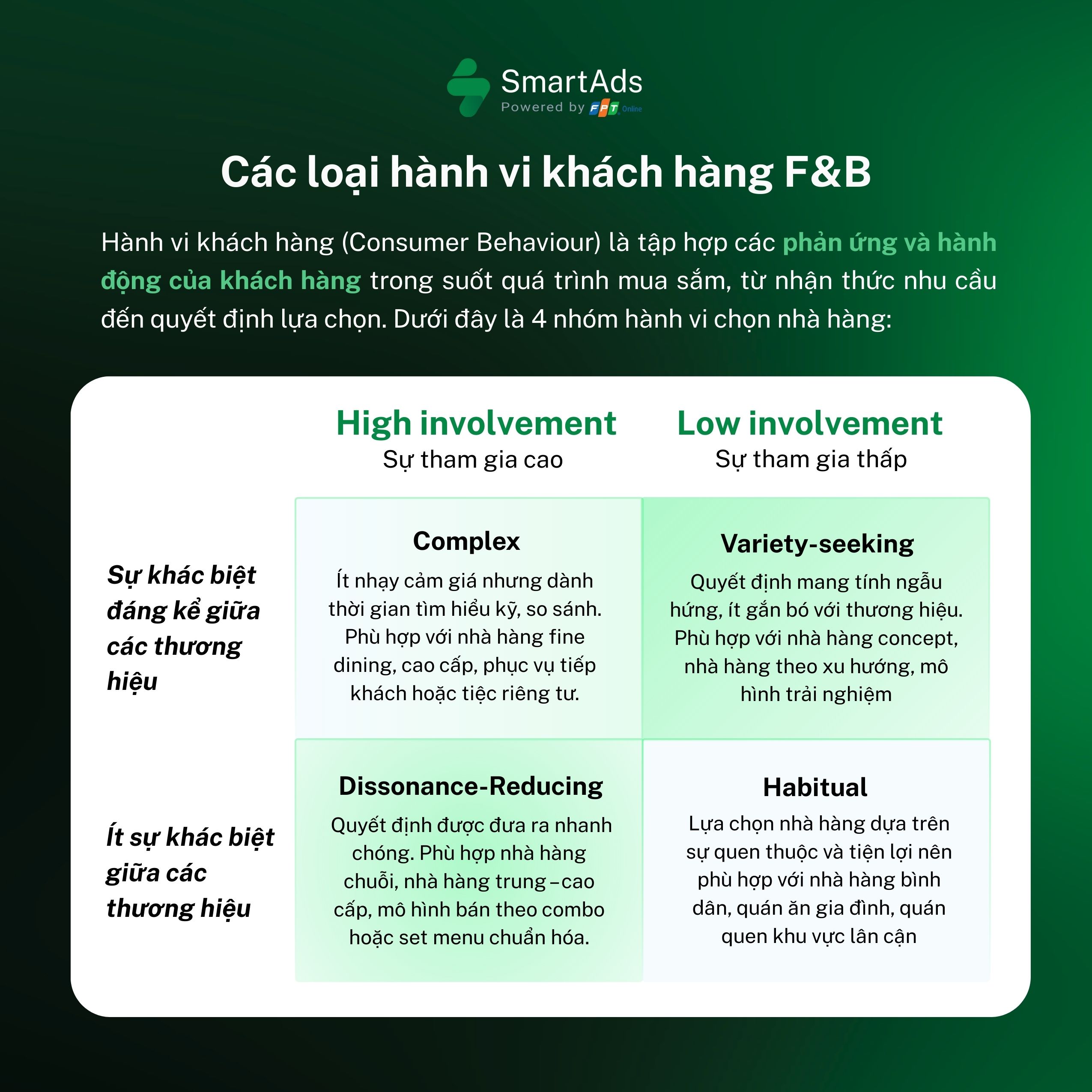
To maximize the effectiveness of F&B marketing campaigns, restaurants need to segment customers based on distinct behavioral patterns aligned with each business model. In the restaurant industry overall, customer behavior can be categorized into four prominent groups:
1.1. Complex buying behavior
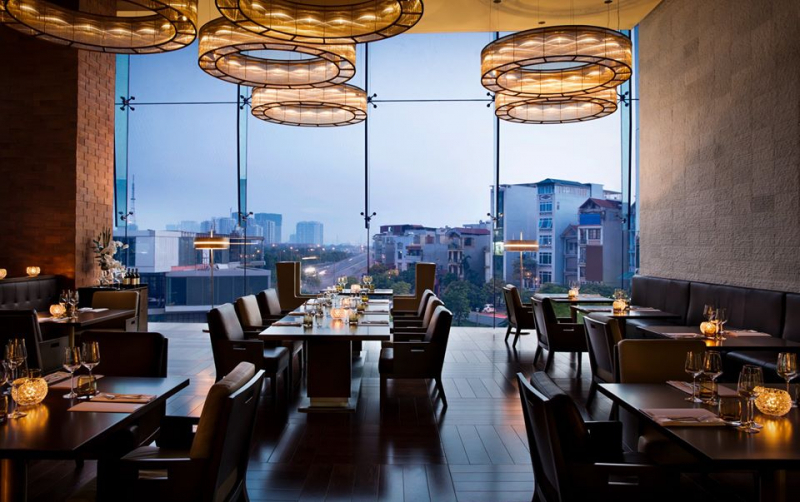
This behavior is particularly common among fine-dining restaurants, premium dining concepts, and venues serving business entertainment or private events. Customers in this group demonstrate a high level of involvement in the restaurant selection process. They actively research and compare multiple factors, including brand reputation, food quality, ambiance, service standards, and overall dining experience. This behavior typically occurs when customers have special needs—such as hosting guests, celebrating milestones, or marking important occasions—and tend to show relatively low price sensitivity.
During the Tet season, complex buying behavior becomes even more prevalent, as customers prioritize family banquets, year-end gatherings, or early-year business entertainment. As a result, early research and advance reservations—especially at reputable or high-end restaurants—are far more common.
1.2. Dissonance-reducing buying behavior
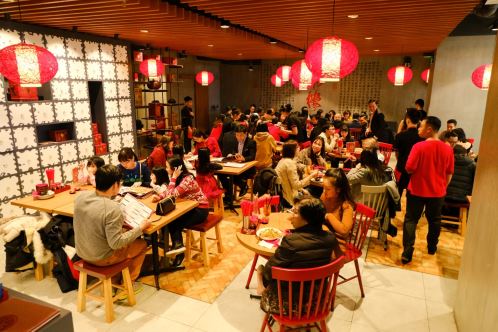
This customer group seeks “safe” choices that minimize risk and save time. Decisions are typically made quickly, based on predefined suggestions such as combo deals, set menus, or restaurant recommendations. This behavior is well suited to chain restaurants, mid-to-high-end dining concepts, and standardized combo or set-menu models. Customers prioritize convenience, ease of booking, and service simplicity, and they tend to show lower long-term brand loyalty.
During Tet, this behavior intensifies due to high demand for banquet trays, takeaway dishes, or all-in-one service packages—helping customers reduce preparation pressure and avoid operational risks during peak periods.
1.3. Variety-seeking buying behavior
Customers in this group frequently switch restaurants in search of new experiences. Their decisions are often impulsive, with low attachment to any specific brand, and are easily influenced by new concepts, unique spaces, or trending dining formats. This behavior is particularly suitable for concept-driven restaurants, trend-focused brands, experiential dining models, or newly launched F&B concepts. Emotional appeal and dining experience outweigh pricing considerations, especially among younger customer segments.
As a result, during Tet, these customers expect dining venues not only to satisfy food needs but also to deliver memorable experiences—such as creative Tet-themed concepts, eye-catching décor, limited seasonal menus, and strong “check-in” value for social media sharing.
1.4. Habitual buying behavior
This group chooses restaurants based on familiarity and convenience, making it most suitable for casual eateries, family-run restaurants, and neighborhood dining spots. Factors such as proximity, familiar flavors, and consistent service hours strongly influence decisions. Customers rarely seek new information and are largely unaffected by advertising or promotional activities.
During Tet, this behavior still exists but is constrained by whether restaurants remain open throughout the holiday, forcing customers to adjust habits or switch to alternative options.
Compared to everyday dining decisions, Tet-period consumption involves higher engagement levels and is strongly influenced by emotional, cultural, and time-pressure factors. This leads to clear differences in how customers make decisions. Therefore, a marketing message that effectively taps into emotions, pain points, or practical needs can become a powerful lever for restaurant marketing campaigns during Tet 2026.
2. How should restaurants shape marketing messages for Tet customer behavior?
Restaurant selection behavior during Tet typically involves higher engagement and stronger emotional, cultural, and time-based influences. As a result, F&B marketing messages for Tet 2026 should be built around real customer psychology and behavior, rather than focusing solely on dishes or promotions.
2.1. Risk-Reduction and “Peace of Mind” Messaging
Tet is a period when customers are highly risk-averse, especially for family banquets, business entertainment, or early-year gatherings. Marketing messages should therefore emphasize confidence and reassurance in choosing F&B services, focusing on:
-
Brand credibility and experience serving Tet occasions
-
Capacity to handle large volumes with on-time delivery and consistent quality
-
Standardized menus designed to suit group preferences
These factors are particularly effective for customers exhibiting Complex and Dissonance-Reducing buying behavior.
2.2. Messaging That Addresses Time and Convenience Pain Points
Tet preparation pressure drives customers toward fast, efficient, and low-risk solutions. In this context, effective F&B messaging is less about “what you offer” and more about what problems you solve. Messages should highlight:
-
All-in-one solutions: banquet bookings, meal trays, takeaway packages
-
Simple, fast booking processes with minimal waiting time
-
Reduced preparation workload for families during Tet
This approach strongly influences customers who prioritize speed, convenience, and quick decision-making.
2.3. Emotional Messaging Linked to Tet Cultural Values
Dining out during Tet is not just about good food—it is about family reunions, relationship bonding, and creating positive experiences at the start of the year. Therefore, restaurant marketing messages should be emotionally driven and tied to Tet’s cultural significance, rather than focusing solely on service features. Effective messaging angles include:
-
A complete reunion banquet
-
A prosperous and fulfilling start to the new year
-
Warm, welcoming spaces for family and friends
This message group resonates strongly with Complex and Variety-Seeking behavior segments.
2.4. Experience-driven and Trend-focused messaging for younger audiences
For younger customers, dining during Tet also represents an opportunity for experiences, check-ins, and staying on trend. As such, restaurant messaging should emphasize novelty and differentiation.
-
Unique Tet concepts and standout décor
-
Memorable early-year dining experiences
-
Clear differentiation from familiar dining options
This audience tends to show low loyalty, fast decision-making, and high responsiveness to visuals, storytelling, and trends—making it especially suitable for the Variety-Seeking segment.
In short, Tet marketing messages must align with the right audience and the right behavior—not just sound appealing. When planning F&B marketing strategies for Tet 2026, restaurants should consider their business model, service format, menu structure, target audience, and Tet-specific consumption behavior, rather than focusing solely on wording or promotions.
3. F&B marketing strategy across the TOFU – MOFU – BOFU funnel for Tet 2026
To ensure messages aligned with the four customer behavior groups deliver maximum impact, restaurants need a funnel-based marketing strategy that transforms fragmented awareness into a structured communication journey—enhancing brand recall and driving conversion into actual dining decisions. Brands can apply the following approach:
3.1. TOFU Stage – Triggering dining contexts and latent needs
Main objective: Build initial awareness and familiarity by placing the restaurant within relevant dining contexts, without pushing direct sales or calls to action.
Customer behavior: Customers have no specific dining intent yet. They are browsing social media, reading news, or consuming entertainment content in a passive state, where emotions, familiar situations, and contextual triggers can activate latent needs.
Execution strategy: At TOFU, context and need take center stage, while the restaurant simply “appears at the right moment.” Suggested tactics include:
-
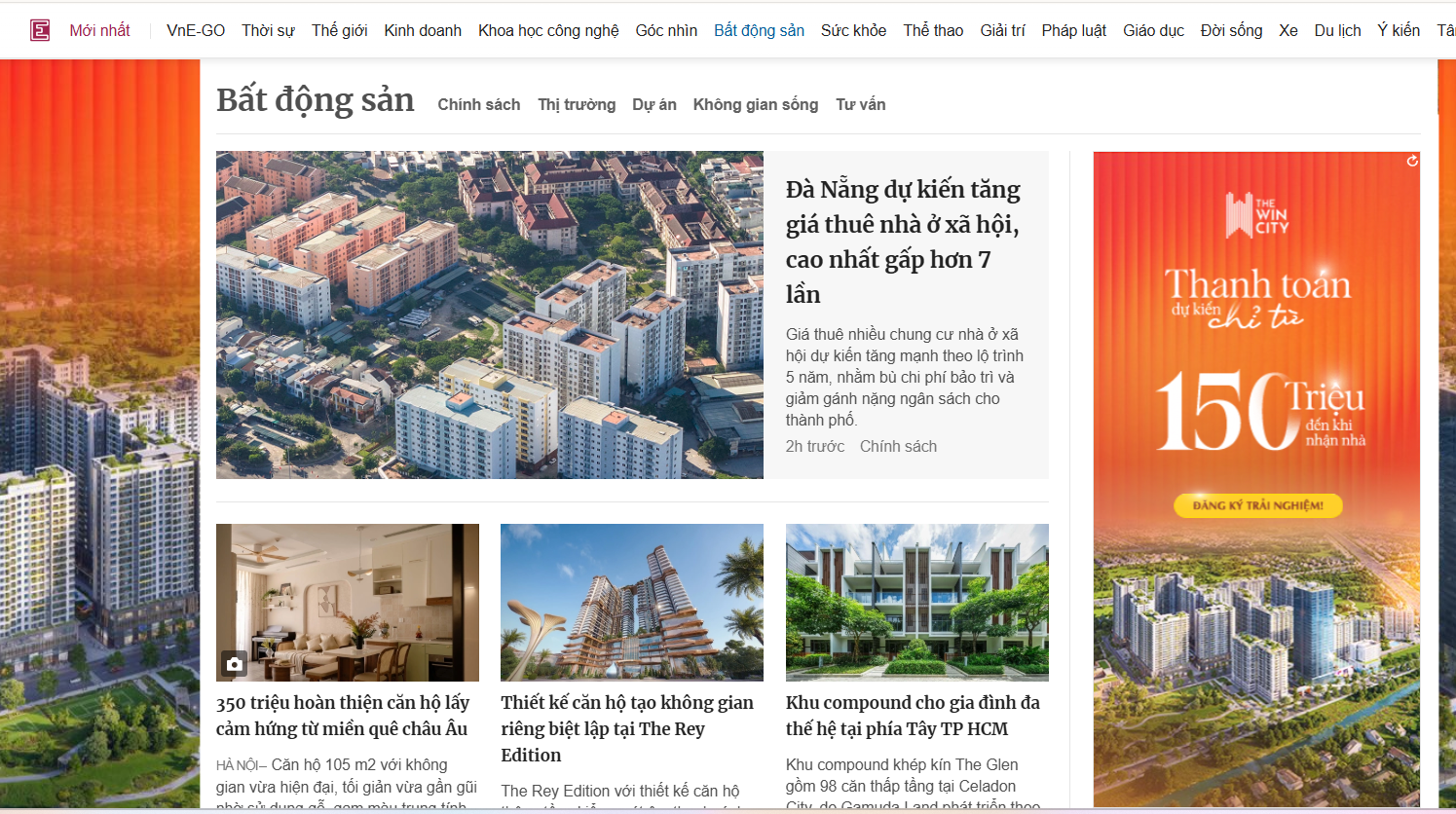
PR on digital news platforms: Prioritize lifestyle, food, and consumer-focused media where readers are in exploration mode. Content should lean toward non-branded storytelling to integrate naturally into content streams. Example angle: Top 10 restaurants for Tet 2026 check-ins.
-
Contextual and native display ads: Distribute across content ecosystems related to urban life, dining, entertainment, family, and work—reaching users in the “right context” before explicit demand forms. The focus is reach and relevance, not conversion.
-
Social media posting, seeding, and awareness ads: Platforms such as Facebook, Instagram, TikTok, and Threads help build passive awareness. Boosted posts should prioritize reach and frequency to build familiarity rather than immediate engagement.
-
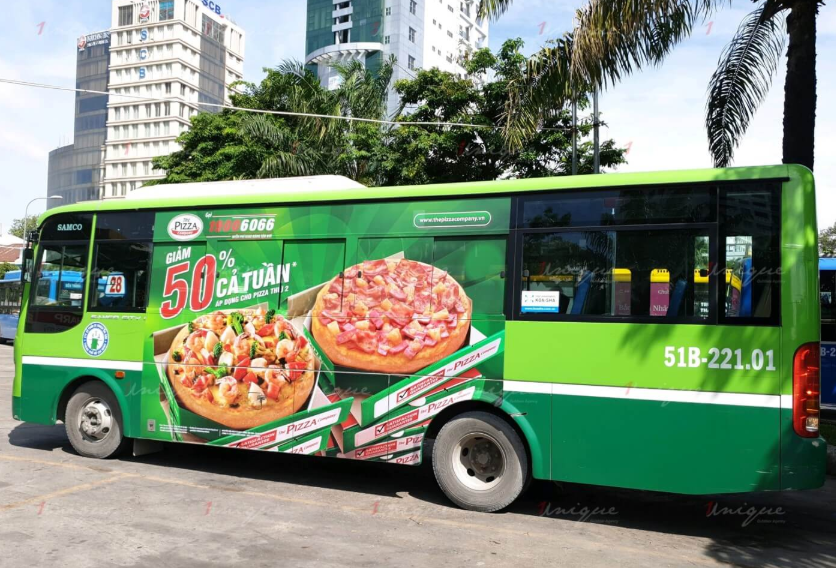
OOH / DOOH aligned with daily routines: Deploy ads in residential areas, office buildings, malls, elevators, outdoor screens, and buses to reinforce repeated exposure and brand recall before dining needs arise.
TOFU success is measured by presence and memorability—not bookings. Channels should be orchestrated to complement each other, following a logic of “reach first, recall later.” Press and DOOH build credibility and baseline reach, while digital and social ads maintain contact frequency—laying the foundation for MOFU and BOFU.
3.2. MOFU Stage – Nurturing emotion and consideration
Main objective: Increase interest and trust, moving customers from awareness to active consideration by clarifying brand value, positioning, and overall dining experience.
Customer behavior: Customers now have clearer dining needs (occasion, group size, budget) and actively seek information—reading reviews, browsing social media, searching on Google, or consulting community recommendations.
Execution strategy: At MOFU, the restaurant must be perceived as a serious option worth considering. Strategy shifts from reach to persuasion:
-
PR focused on reviews and comparisons: Content should emphasize evaluations, recommendations, and experience analysis—helping brands enter customers’ mental shortlists.
-
Search and intent-based advertising: Capture demand through keyword targeting aligned with dining intent, pricing, location, and occasion. Prior TOFU press exposure also boosts landing page authority for SEM and SEO.
-
Remarketing and interest-based segmentation: Re-engage users who interacted during TOFU with selective message repetition to enhance recall without causing fatigue.
-
Social media as trust reinforcement: Leverage reviews, discussions, UGC, and suitable KOL/KOC content as social proof—focusing distribution on users who have already shown interest.
MOFU requires tight coordination between PR, search, social, and remarketing. Each channel plays a distinct role in trust-building while collectively guiding customers toward serious consideration—setting the stage for BOFU conversion.
3.3. BOFU stage – Driving decisions and conversions
Main objective: Convert consideration into concrete actions such as table reservations, inquiries, or in-store visits by reducing decision barriers and prompting immediate action.
Customer behavior: Customers are making final comparisons and actively searching for decisive information—pricing, menus, promotions, location, recent reviews—with high attention but limited decision time.
Execution strategy: At BOFU, restaurants must appear precisely at the decision moment with clear, persuasive information:
-
Behavior-based remarketing and retargeting: Use pixel data from landing pages to deliver personalized, decision-driven messages while optimizing frequency and cost efficiency.
-
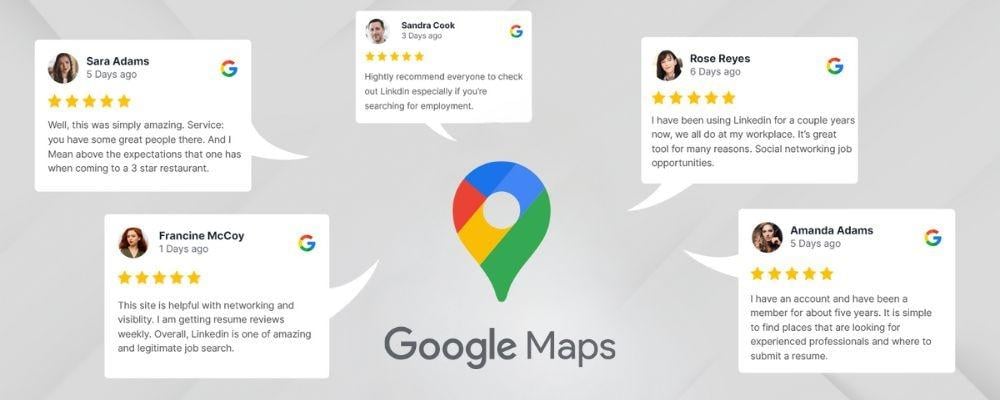
Optimizing Google Maps presence and reviews: Maintain strong visibility and high ratings on trusted location platforms—often the final checkpoint before decision-making.
-
Short-term incentives and urgency mechanisms: Time-limited offers aligned with brand positioning act as psychological triggers to finalize decisions.
-
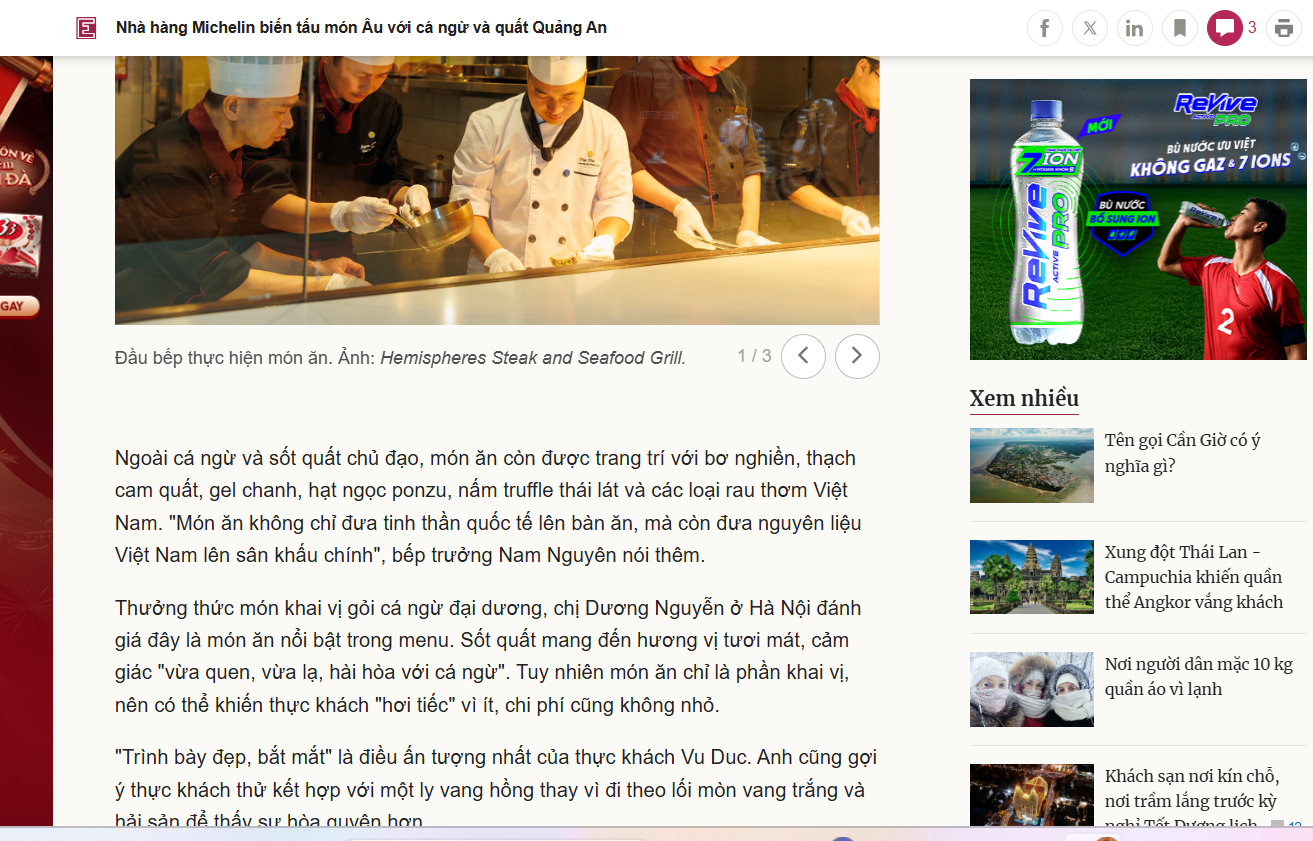
Branded PR combined with performance ads on press platforms: Deep-dive branded content highlighting menu, service, and space, paired with performance-driven press ads featuring short-term offers.
Unlike TOFU and MOFU, BOFU performance is measured by direct action metrics such as reservations, inquiries, clicks, and cost per conversion. Insights from this stage should be fed back to optimize messaging and budget allocation across the entire funnel.
In practice, these three funnel stages do not need to run in isolation. Brands can deploy them in parallel, segmenting campaigns by behavior and allocating different budgets accordingly.
>>> Explore effective marketing budget planning methods here.
Conclusion: Connecting data across the funnel as the key lever for effective F&B remarketing
Once TOFU – MOFU – BOFU strategies are in place, the next challenge in restaurant marketing is no longer “choosing the right channel,” but ensuring data from every touchpoint is continuously connected to power effective retargeting and remarketing. In this structure, the landing page serves as the central destination of the entire funnel, where awareness, consideration, and conversion flows converge.
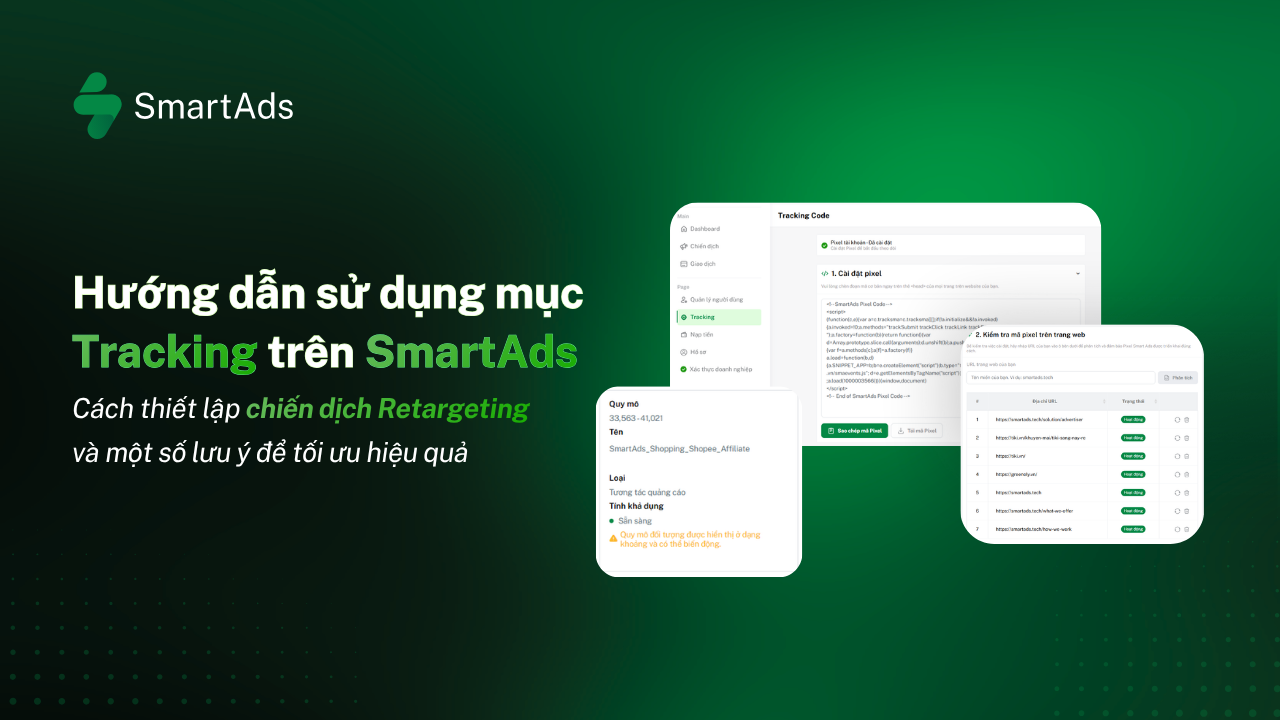
SmartAds currently provides a Tracking Code (Pixel) feature that allows brands to collect user data from landing pages across multiple campaigns. When the SmartAds Pixel is embedded in the tag of a website or landing page, all campaign-driven user behavior is recorded and stored. This data becomes the foundation for retargeting campaigns—enabling brands to re-engage high-intent audiences effectively. Create a SmartAds account to experience this feature here.