1. Key updates in online advertising regulations
From February 15, Decree 342 issued by the Government officially came into effect, detailing several provisions of the Advertising Law. The decree significantly tightens regulations on online advertising, particularly video ads in digital environments. Specifically:
-
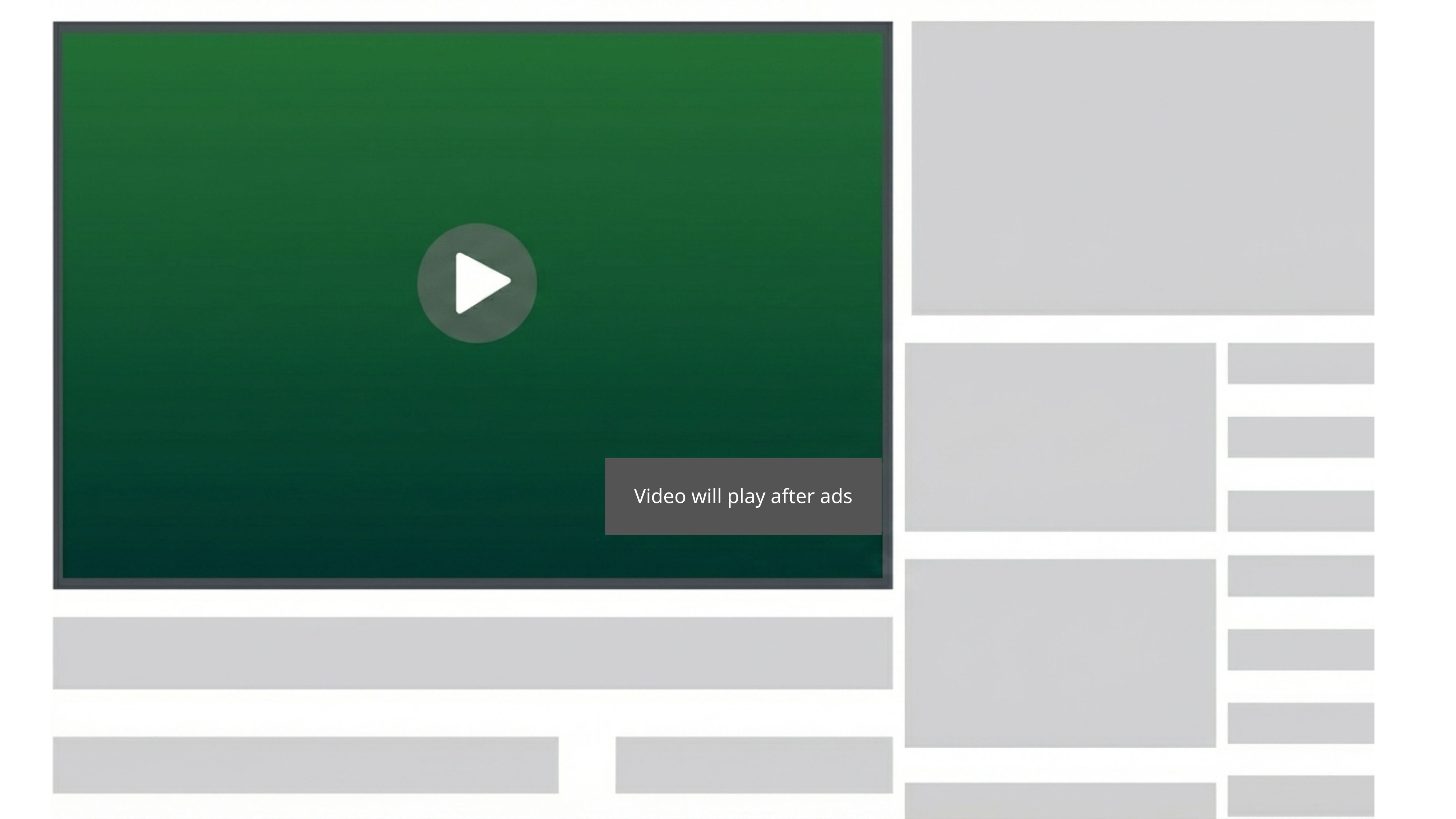
A maximum waiting time of 5 seconds to close video ads and animated image sequences on the Internet. This means platforms are no longer allowed to force viewers to wait more than 5 seconds before closing an ad. Previously, the market widely adopted non-skippable ads with durations ranging from 7 to 30 seconds, depending on the platform and device.
-
Users must not be forced to wait to close static image ads, aiming to reduce annoyance and limit the growing trend of ad blocking among users.
-
Pop-up ads (ads not displayed in fixed placements) are subject to stricter control. These ads appear as windows that partially or fully cover the viewed content. Accordingly, pop-up ads must not use fake or misleading close icons and must allow users to close the ad with a single, clear action.
-
In addition, online advertising formats are required to provide icons and instructions enabling users to report violations of advertising regulations, as well as to refuse, close, or stop viewing unsuitable ads (According to VnExpress).
These regulations demonstrate a clear regulatory direction toward reducing fraudulent advertising practices and ensuring the rights of both brands and users.
2. How does Decree 342 impact the advertising industry and brands?
2.1. A shift from “forced viewing” to “user choice”
Non-skippable video ads are now strictly restricted. Brands can no longer rely on mandatory waiting time to retain viewers and must instead capture attention through compelling content from the very first seconds.
2.2. Increased pressure to elevate creative quality
In this new context, the first 5 seconds become the decisive moment. This requires brands to invest more in:
-
Clear and concise messaging
-
Instantly engaging visuals and audio
-
Storytelling adapted to fast-scrolling and quick-reading behavior on digital platforms
2.3. The growing importance of experience-friendly advertising
Intrusive pop-up ads that cover content, unclear close buttons, or misleading interactions are now tightly controlled, reducing the effectiveness of forced advertising. Without strategic adjustments, brands may face:
-
Increasing ad blocking rates
-
Declining brand favorability
As a result, native ads, contextual ads, and branded content become prioritized choices, allowing brands to appear as a natural part of the content rather than an intrusive element.
2.4. Changes in how advertising effectiveness is measured
Traditional metrics such as impressions or views are increasingly filtered. Instead, brands should focus on Attention (real user attention), Engagement (voluntary interaction), Brand recall, and Brand trust.
2.5. Long-term benefits for compliant brands
Brands that comply with advertising regulations and respect user choice gain long-term advantages by reducing ad fatigue, building trust, and laying the foundation for a positive and sustainable brand image.
3. SmartAds: An online advertising solution that prioritizes user experience
As Decree 342 tightens advertising regulations, with positioning as a user-centric online advertising platform, SmartAds’ solutions stand out with the following strengths:
-
User experience as the core focus: SmartAds designs and delivers ad formats aligned with reading and viewing behavior in digital environments, minimizing disruption.
-
Natural ad display without interrupting the experience: Prioritizing native ads that blend seamlessly with editorial content, avoiding content obstruction or forced waiting.
-
No intrusive or forced advertising formats: SmartAds does not deploy ads that are mandatory to watch, difficult to close, or disruptive to the reading experience, ensuring users retain full control.
-
Contextual and behavior-based optimization: Ads are delivered based on content context and reading behavior, allowing brand messages to appear at the right moment and with the right relevance.
-
Compliance-driven, long-term value orientation: Stable performance and a transparent, safe advertising environment help protect brand interests sustainably.
This approach not only ensures compliance with new legal requirements but also contributes to building a sustainable advertising ecosystem for users, publishers, and advertisers. Launch your first campaign with SmartAds here.