The power of data in advertising campaign optimization
The rapid growth of digital platforms has created an abundant source of data, from impressions, clicks, conversions, and costs to detailed insights about location, devices, and individual online behaviors. In modern digital advertising campaigns, two forms of data analysis play a critical role: quantitative analysis and qualitative analysis.
Two key forms of data analysis:
- Quantitative analysis: Focuses on performance KPIs such as CTR (click-through rate), CPC (cost per click), CPA (cost per action), and ROAS (return on ad spend), helping marketers measure the efficiency of every dollar spent.
- Qualitative analysis: Based on user feedback and surveys to evaluate experience quality, uncover deeper motivations and perceptions, and help marketers adjust content to better match real customer needs.
Common data sources include Google Ads, Facebook Ads, SmartAds, Google Analytics, CRM systems, and social media platforms. To optimize effectively, consider the following basic checklist:
- Identify all key data sources currently in use
- Define a KPI framework aligned with campaign objectives
- Ensure data sources are integrated seamlessly to reduce fragmentation
Benefits of leveraging data in digital advertising
Fully utilizing data not only reduces advertising costs but also significantly strengthens a brand’s competitive advantage in the digital marketplace.
Increase ROI and optimize advertising budget
Analyzing user data and campaign performance has become a core capability for marketers to make informed decisions, minimize wasted spend, and focus investment on the most effective touchpoints. Based on measurable metrics, businesses can accurately understand customer behavior and adjust content strategy, distribution channels, or budget allocation for each segment.
Key KPIs to prioritize include:
- CPC, CPA, CR (conversion rate)
- LTV (customer lifetime value)
- ROAS (return on ad spend)
Understand target audiences and enhance personalization
Deep analysis of customer insights (including demographics and interaction history) enables marketers to gain a holistic view of user behavior and analyze customer data to evaluate effective remarketing strategies. This also enables advertising personalization, improving relevance and increasing conversion rates.
Important considerations when using advertising data
The power of data only reaches its full potential when marketers can maintain data quality while complying with strict governance and privacy standards.
Control data quality and reliability
- Use only verified data and remove fake or noisy datasets (data cleaning is essential before analysis)
- Regularly audit data sources and apply consistent UTM tagging across campaigns to standardize data flow into the system
Select the right tools and develop analytical skills
Choose analytics tools that match the scale of your organization, such as Google Analytics, Google Data Studio, or Power BI. Marketing and technical teams should master these tools to interpret, analyze, and visualize data effectively.
Ensure security and compliance with data protection regulations
Always stay updated with the latest data protection regulations, such as Vietnam’s Decree 13/2023/ND-CP on personal data protection. Access control and data governance policies should be clearly defined for each role within the organization.
Step-by-step guide to optimizing advertising campaigns with data
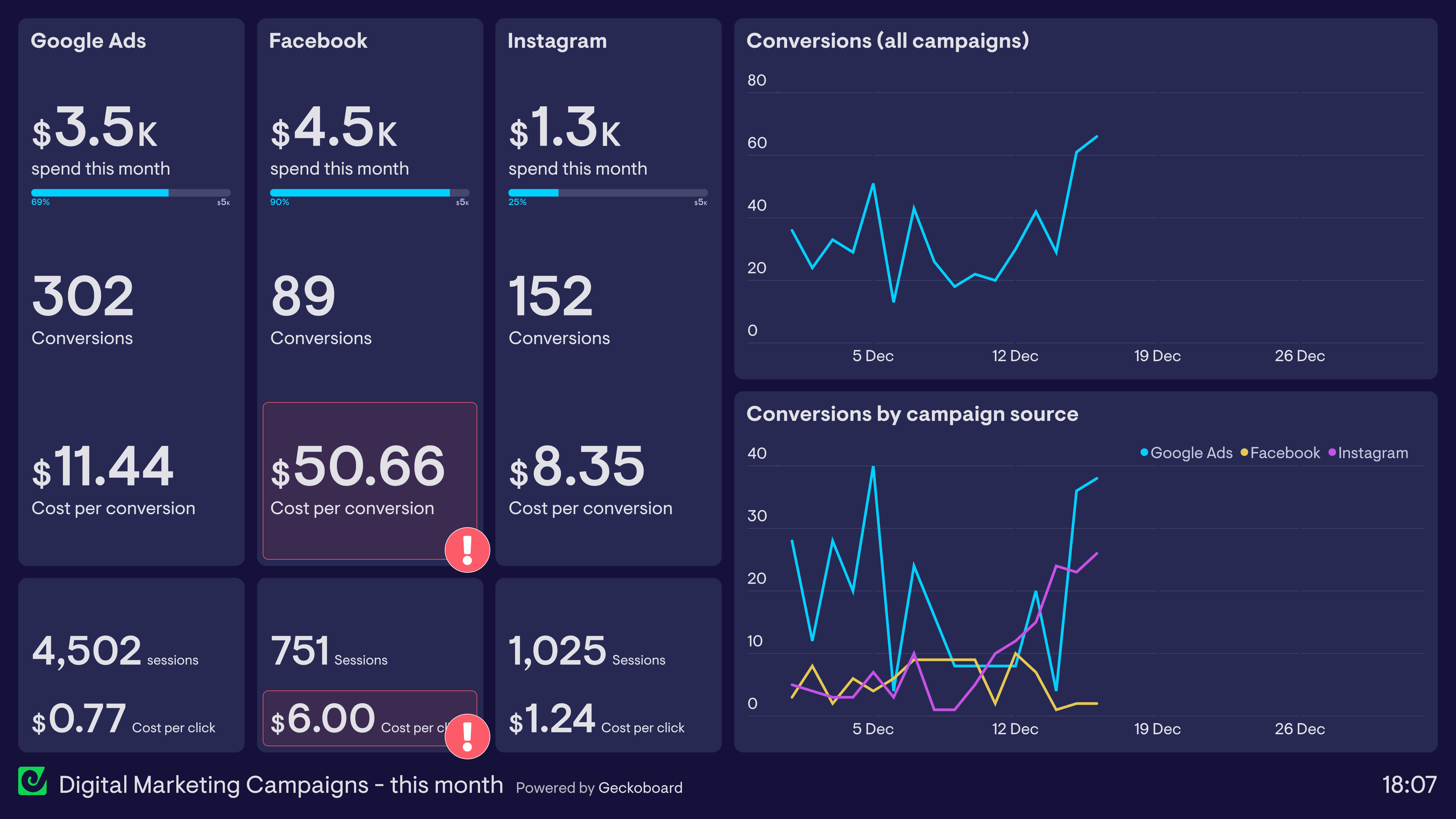
Use analytics tools and visual dashboards: Real-time reports from SmartAds or integrated dashboards help marketers compare performance across audience segments and advertising channels.
- Define measurable KPIs: CPC, CPA, ROAS, conversion rate, actual reach, and more
- Continuously monitor, analyze, and adjust campaigns: Prioritize A/B testing to validate new insights and identify the most effective optimization direction
- Combine quantitative analysis with qualitative feedback: Study comments, survey results, and audience feedback throughout the campaign lifecycle
- Continuously update industry knowledge: Explore case studies and trends from trusted sources such as Think with Google and SmartAds
Small businesses should prioritize easy-to-use platforms such as SmartAds and the basic version of Google Analytics, while larger enterprises may integrate advanced analytics tools like BigQuery and Power BI to scale deeper data analysis.
Conclusion
Data-driven advertising optimization is no longer optional—it is essential for modern marketers. By leveraging intelligent analytics solutions such as SmartAds while combining them with creative intuition, businesses can effectively control, optimize, and scale their advertising performance within budget.