Definition and role of marketing strategy for SMEs
So, what is a marketing strategy? Essentially, a marketing strategy is the master blueprint that guides all marketing activities of a business, including defining target markets, customer segmentation, brand positioning, budget allocation, and the execution of specific marketing initiatives.
For SMEs, an effective marketing plan should:
- Be closely aligned with realistic business goals, prioritizing short-term objectives and allowing for agile adaptation.
- Focus on optimizing limited resources by leveraging cost-effective advertising tools and platforms.
- Emphasize SWOT analysis to clearly identify strengths, weaknesses, market opportunities, and potential risks.
Unlike large enterprises with abundant resources to test multiple channels simultaneously, SMEs must prioritize focus - concentrating on solutions that deliver measurable conversions, transparent costs, and easy performance control.
Types of marketing strategies suitable for SMEs
There is no one-size-fits-all model for SMEs. In practice, the most effective marketing strategies for small businesses often include:
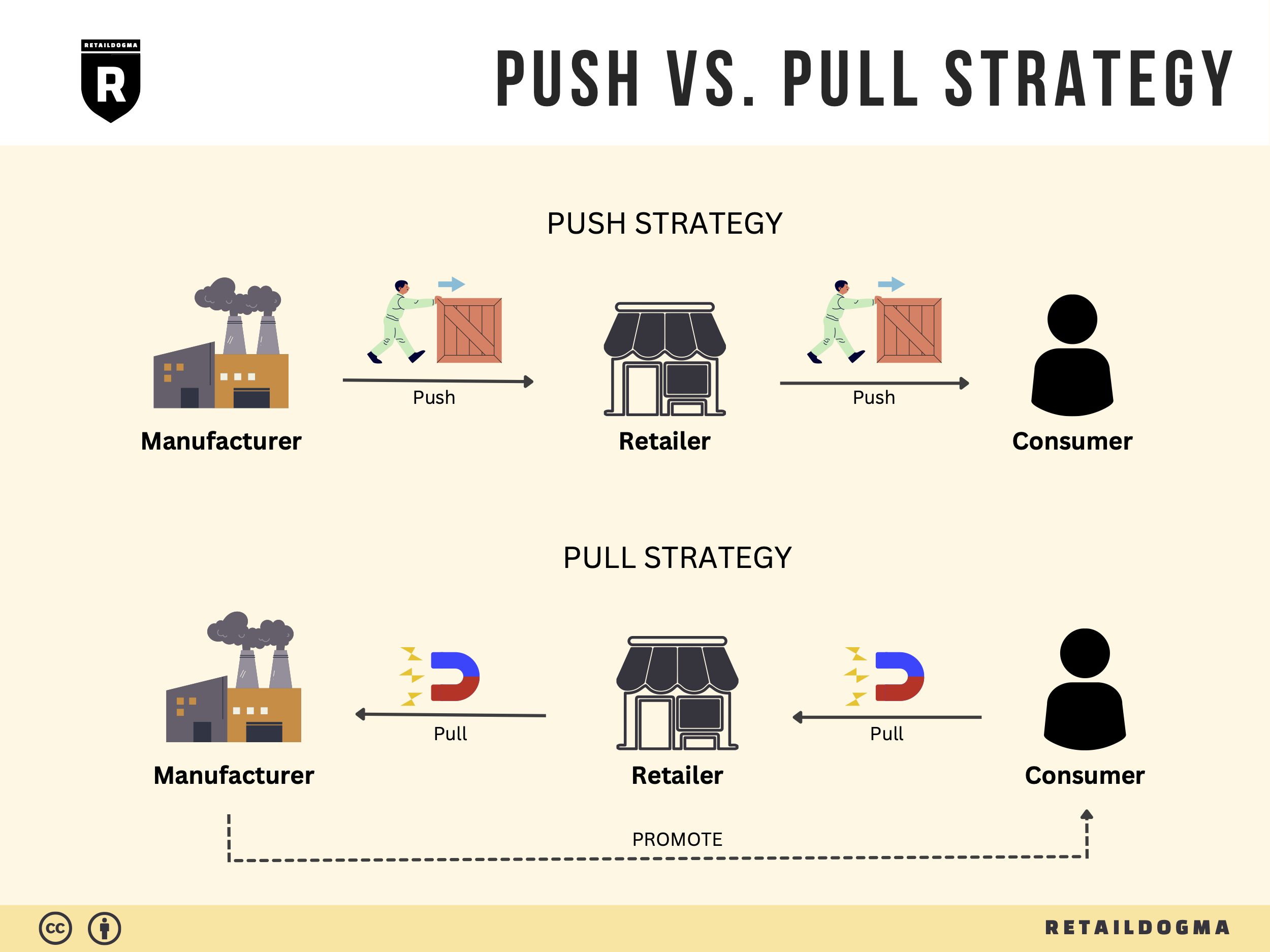
- Push strategies (directly promoting products to consumers through advertising and promotions)
- Pull strategies (stimulating demand and encouraging customers to actively seek out the product)
- Market penetration or expansion strategies (reaching new customer segments with optimized spending)
- Differentiation strategies (building brand positioning around unique value propositions)
- Low-cost strategies (maximizing budget-efficient channels such as SEO, social media, and content marketing)
Key characteristics of marketing strategies for SMEs
With limited resources, small and medium-sized enterprises need to:
- Adapt quickly to market fluctuations
- Maintain strong focus on realistic goals and avoid spreading resources too thin
- Proactively adopt automated and transparent advertising platforms such as SmartAds to save operational effort and maximize the effectiveness of every marketing dollar.
A well-structured marketing strategy for SMEs not only helps “polish” financial results, but also serves as a growth engine - driving revenue, strengthening competitiveness, and positioning the SME brand firmly in customers’ minds.
Effective marketing strategies for SMEs
1. Focus on Niche Markets (Niche Marketing)
With constrained budgets, SMEs should target a clearly defined niche segment with specific needs and lower competition. Precisely addressing a focused customer group increases reach efficiency, improves retention, and creates a distinctive brand presence.
2. Content Marketing
Creating valuable, customer-centric content across blogs, social media, and email helps SMEs build trust, enhance brand awareness, and generate qualified leads at a low cost. This approach nurtures long-term customer relationships and supports sustainable brand building.
3. Leveraging Free Social Media & Smart Paid Advertising
SMEs can start by using platforms such as Facebook, Instagram, and TikTok to build communities and share brand stories organically. When budget allows, paid advertising should be deployed with clear objectives, precise targeting, and strict cost optimization.

4. Cross-Brand Partnerships (Co-marketing)
Collaborating with complementary brands that share similar customer segments—but do not directly compete - enables joint campaigns, giveaways, or bundled offers. This is a fast and cost-effective way to expand customer reach.
5. Customer Retention & Remarketing
Retaining existing customers is always more cost-effective than acquiring new ones. SMEs should maintain ongoing communication through email, messaging, and community groups, while using personalized remarketing offers to drive repeat purchases, build loyalty, and encourage positive word-of-mouth.
A marketing strategy for SMEs is not an expensive fantasy - it is a practical, structured solution that enables sustainable growth while building a distinctive brand identity. By taking a step-by-step approach, measuring performance transparently, and optimizing continuously, SMEs can achieve tangible improvements in both revenue and brand equity.