Click fraud là gì? Tổng quan và tác động với quảng cáo số
Click fraud là hành vi gian lận quảng cáo, xảy ra khi các cú nhấp chuột vào quảng cáo không xuất phát từ khách hàng tiềm năng mà từ các đối tượng tạo click ảo nhằm tiêu tốn ngân sách hoặc phá hoại hiệu quả chiến dịch. Mục tiêu của click fraud thường gồm:
- Tiêu hao ngân sách nhanh chóng, làm cạn kiệt tiền quảng cáo của đối thủ
- Làm méo mó dữ liệu đo lường, khiến marketer tưởng rằng quảng cáo hiệu quả trong khi thực tế không thu hút khách thực sự
Hoạt động này ngày càng tinh vi nhờ sự hỗ trợ của các công nghệ tự động, proxy và botnet. Theo Statista, tỷ lệ click fraud toàn cầu trong quảng cáo số đã tiệm cận 15 phần trăm vào năm 2023 và được dự báo tiếp tục tăng tại Việt Nam khi xu hướng chuyển dịch sang quảng cáo tự động ngày càng mạnh.
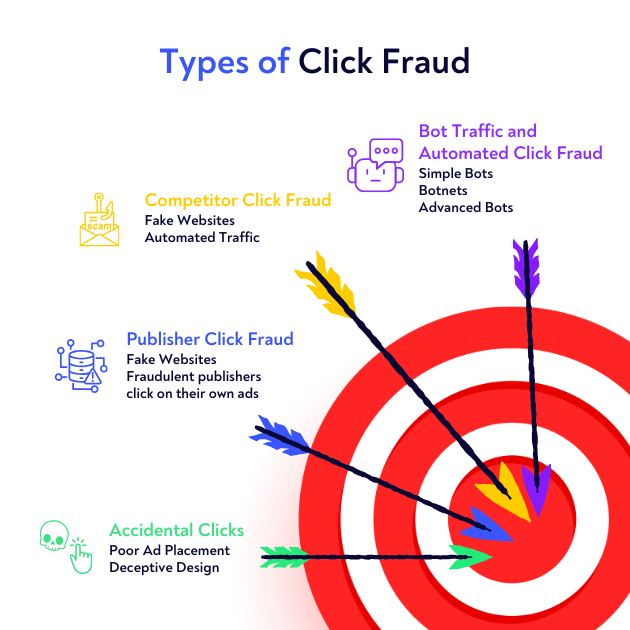
Phân biệt các hình thức click fraud phổ biến
Click fraud không chỉ xuất hiện một dạng duy nhất mà còn đa dạng về cách thức thực hiện:
- Gian lận thủ công: Do con người thao tác, thường là cá nhân hoặc nhóm làm nhiệm vụ click thuê.
- Gian lận tự động: Sử dụng phần mềm bot, script hoặc hệ thống tự động hóa để tạo hàng ngàn lượt click trong thời gian ngắn.
- Click từ IP giả mạo và mạng proxy: Che giấu danh tính, tăng độ phủ click ở nhiều khu vực, khó truy vết.
- Mạng lưới click thuê: Các tổ chức chuyên cung cấp dịch vụ click nhằm mục đích phá hoại hoặc tạo hiệu suất giả tạo.
Mục đích và hệ quả đối với doanh nghiệp
Hậu quả xuất phát từ click fraud gồm:
Thất thoát ngân sách quảng cáo: Chi tiêu cho click không mang lại chuyển đổi thực tế.
Giảm độ chính xác dữ liệu: Chiến dịch dựa trên dữ liệu sai lệch sẽ dẫn đến quyết định nhắm mục tiêu sai.
Ảnh hưởng ROI và thương hiệu: ROI thấp, niềm tin vào quảng cáo trên nền tảng giảm sút do khách hàng bị làm phiền bởi click ảo.
Lợi ích khi chủ động phát hiện và chống click fraud
Chủ động phát hiện click fraud giúp doanh nghiệp:
Bảo vệ ngân sách quảng cáo: Theo một nghiên cứu mới trên Hubspot, các chiến dịch có giải pháp chống click fraud hiệu quả đã giảm tới 30 phần trăm chi phí lãng phí so với nhóm kiểm soát.
Tăng hiệu quả chiến dịch: Dữ liệu sạch giúp marketer tối ưu nhắm mục tiêu, cải thiện các chỉ số CPA, CPC và đặc biệt là nâng cao ROI thực tế, ví dụ một case study từ SmartAds ghi nhận chiến dịch tăng tới 25 phần trăm tỷ lệ chuyển đổi sau khi triển khai anti-fraud.
Dấu hiệu nhận biết – Làm sao để phát hiện click fraud?
Việc phát hiện click fraud đòi hỏi marketer phải nhạy bén với các dấu hiệu bất thường hoặc kết quả không hợp lý từ chiến dịch. Dưới đây là checklist những chỉ báo về dấu hiệu gian lận điển hình:
-
Số lượng click tăng đột biến không kèm theo chuyển đổi thực.
-
Tỷ lệ thoát (bounce rate) rất cao, hành vi không tương tác.
-
Lượt click đến từ các vị trí địa lý, IP, thiết bị ngoài vùng target hoặc có pattern lặp lại.
-
Thời gian onsite cực kỳ ngắn (dưới 2 – 5 giây).
-
Phát hiện nhiều click từ một IP duy nhất hoặc dải IP lạ.
Để phát hiện được những dấu hiệu trên, quy trình kiểm tra nên gồm các bước sau:
-
Định kỳ soát xét số liệu traffic trên dashboard.
-
Theo dõi hiệu quả điều chỉnh hàng tuần để xác nhận việc click fraud đã được kiểm soát
-
Kiểm tra báo cáo vị trí, IP, thiết bị truy cập
-
Xác định nguồn traffic bất thường và lọc các IP khả nghi
-
Đối chiếu tỷ lệ chuyển đổi với nhóm target chân dung khách hàng mục tiêu
-
Ghi nhận sự chênh lệch lớn giữa chi phí và hiệu quả
-
Sử dụng CAPTCHA, xác thực hai lớp trên landing page
-
Thiết lập bộ lọc chặn traffic đáng ngờ theo IP/thiết bị trên hệ thống quảng cáo
-
Báo cáo trực tiếp tới nhà cung cấp để được tiếp nhận các khiếu nại
Kết: Chủ động phát hiện click fraud đang là tiêu chuẩn không thể thiếu cho mọi marketer số. Hãy tận dụng checklist, công cụ và quy trình thực tế được hướng dẫn để bảo vệ ngân sách, nâng cao độ tin cậy thương hiệu cũng như trả lại hiệu quả thật sự cho chiến dịch quảng cáo của bạn.