1. What is HDPE? Why this slang is suddenly everywhere on Vietnamese social media?
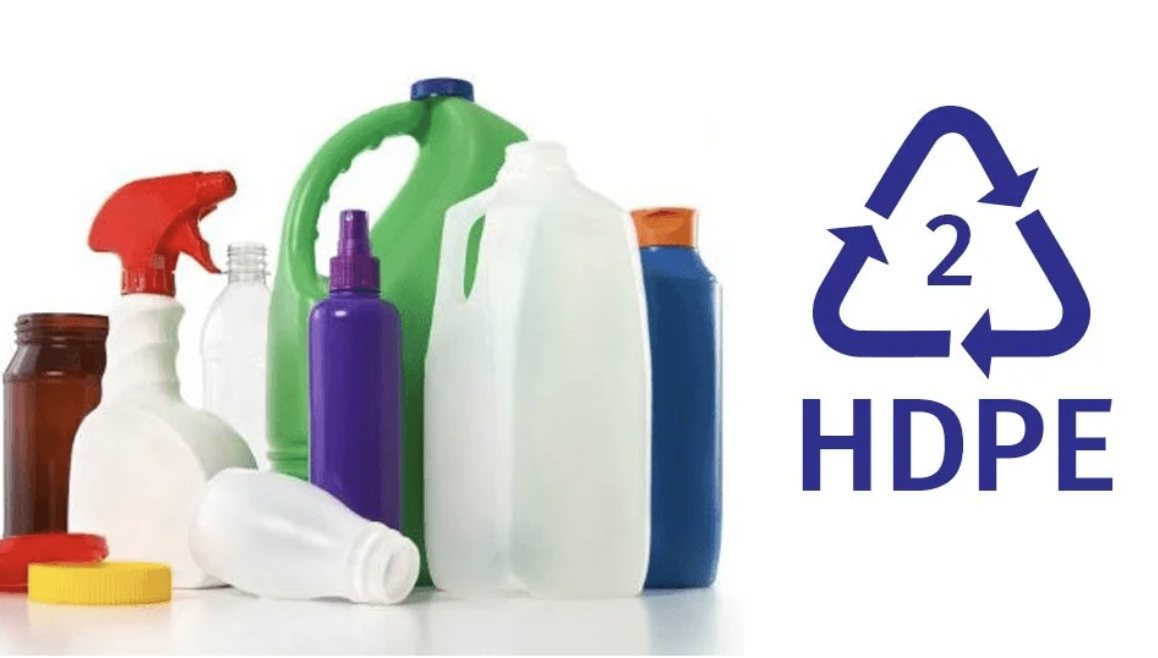
Fundamentally, HDPE stands for High-Density Polyethylene : a high-density plastic material — a type of thermoplastic polymer derived from petroleum, widely used in both daily life and industrial applications thanks to its durability, strength, and recyclability. HDPE is commonly found in products such as plastic pipes, containers, bottles, drums, and packaging materials.
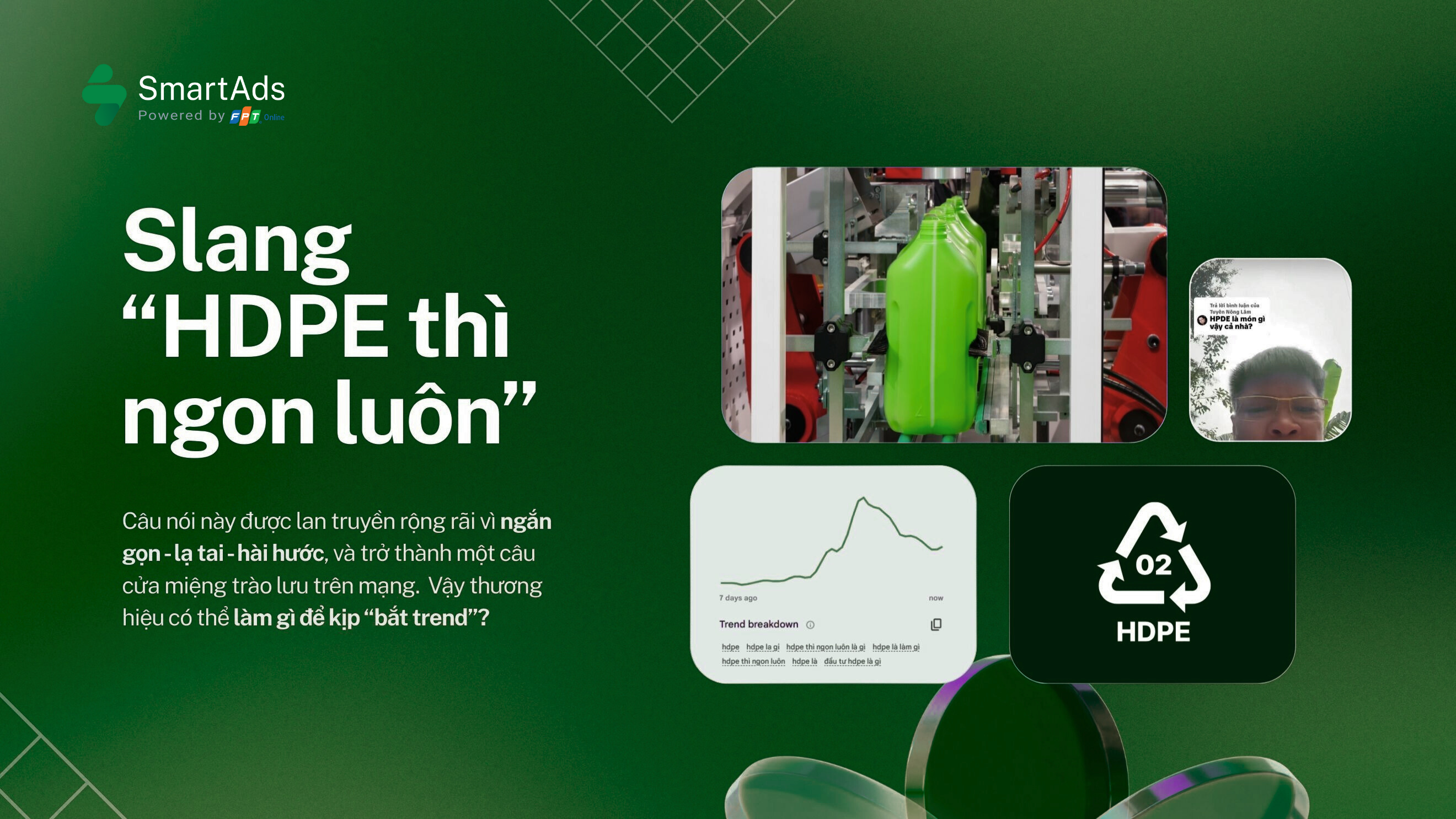
However, within the context of social media, HDPE has been detached from its technical definition and transformed into a slang meme that roughly conveys meanings such as “alright” “helpful”, “it's okay,” or “sounds like a great deal” — no longer related to plastic or engineering at all . This viral trend originated from a TikTok business advice video, where a creator responded to a question about whether pursuing HDPE was a good idea with a short, punchy phrase: “Ngon luôn” The phrase quickly spread thanks to its brevity, novelty, and humor, eventually becoming a widely used catchphrase meme across social platforms.

2. Why did this trend spread so rapidly?
This trend has become popular across social media because:
-
Short and memorable : easy to use in comments and short-form videos.
-
Unexpected and humorous : repurposing a dry technical term to express emotion.
-
Highly adaptable : works well across memes, ad captions, and video taglines.
The virality of this phrase is not driven by semantic accuracy or technical meaning, but rather by emotional resonance and entertainment value within online communities.
3. How brands can leverage the “HDPE thì ngon luôn” trend
For brands and content teams, tapping into trends presents an opportunity to reach a wider audience — especially Gen Z, a demographic highly responsive to viral social media trends. Below are effective ways brands can capitalize on the “HDPE thì ngon luôn” meme:
3.1. Integrate the trend into contextual storytelling
Use the phrase “HDPE thì ngon luôn” as a caption for ads, image posts, or short-form videos that incorporate humor, playfulness, and surprise .
Examples:
-
New product post: This product is "HDPE thì ngon luôn" if you’re looking for superior durability.
-
Reels / short videos: Before-and-after effects, ending the caption with “HDPE thì ngon luôn” for a comedic punch.
That said, avoid overusing the trend too early or too frequently. The key is placing it in the right context to prevent it from feeling forced or awkward .
3.2. Create explainer content, hashtags, and meme-based engagement
Turn the trend into value-driven content by:
-
Explaining the trend’s origin: “What does HDPE mean, and why is everyone talking about it?”
-
Linking it to your brand: “Is your product or service actually as good as the HDPE trend claims?”
This approach helps increase engagement time and retain viewers longer . Brands can also launch a custom hashtag alongside the original trend, encouraging audiences to use the phrase to share their product experiences and foster community interaction. Suggested hashtags include:
-
#HDPEAthingonluon
-
#NgonQuaTrendHDPE
-
#BrandName_HDPEChallenge
Viral trends often rise and fade quickly. Success doesn’t come from copying a trend verbatim, but from adapting it to fit your brand’s unique voice. Content that is both “on-trend” and aligned with brand identity is far more likely to gain authentic support than trend-chasing in a mechanical way.
Conclusion
Entertainment-driven trends like “HDPE thì ngon luôn” can help brands appear more relatable and create short-term impact. However, to build sustainable brand equity, trend participation must be integrated into a broader communication strategy — balancing branding and performance to deliver measurable results. Following this approach, SmartAds develops brandformance solutions that enable brands to simultaneously strengthen awareness and drive performance within a unified marketing strategy.