So how can brands increase click-through rates while maintaining traffic quality and protecting brand image? Let’s explore the answer with SmartAds in this article.
I. What is Clickbait?
Simply put, clickbait refers to headlines, images, or descriptions designed to attract excessive attention, spark strong curiosity, and compel users to click on the content.
These headlines are typically shocking, sensational, or heavily curiosity-driven. For example:
-
“You won’t believe what happened after she opened this door!”
-
“The shocking truth behind this viral image is driving the internet crazy!”
While these headlines may boost clicks in the short term, misleading or underwhelming content often erodes trust, damages brand credibility, and attracts low-quality traffic.
II. How to optimize advertising headlines without backfiring
To solve this challenge, marketers can apply the three strategies below to steadily increase CTR while preserving brand trust and long-term performance in online advertising.
Solution 1: Personalize headlines based on customer needs
Instead of using generic clickbait-style headlines like “This will shock you…”, segment your audience into specific need-based groups and craft headlines that directly address what they truly care about.
Example: Company X operates in real estate investment, targeting business owners and high-income individuals seeking profitable and sustainable asset growth. Based on their needs, the audience can be segmented into:
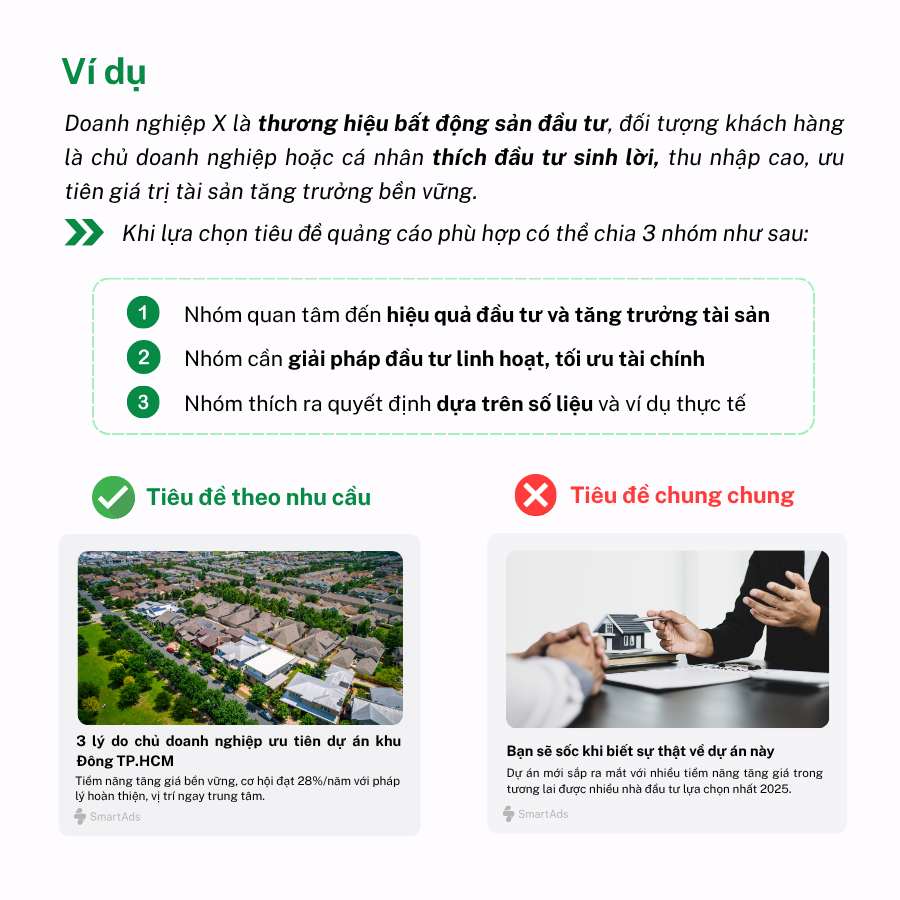
- Investors focused on ROI and asset growth
Psychology: They want to assess whether a project offers stable returns, legal transparency, and long-term investment value.
Suggested headline: “3 Reasons Business Owners Are Prioritizing Real Estate Projects in Eastern Ho Chi Minh City”
- Investors seeking flexible, financially optimized solutions
Psychology: Leveraging capital wisely while ensuring both profitability and safety.
Suggested headline: “Own Premium Real Estate with Just VND 1.2 Billion – Attractive Financial Incentives”
- Data-driven decision-makers
Psychology: They look for transparent, credible case studies and real-world performance metrics.
Suggested headline: “How This Project Helped Real Estate Investors Achieve 35% ROI in Q2”
By aligning headlines with each audience’s core interests, brands can increase CTR naturally—without overusing clickbait—while attracting higher-quality traffic that is more likely to convert.
Solution 2: Ensure post-click content delivers on the promise
An engaging headline is only the first step. What truly matters is whether the post-click content fulfills the promise made in the headline. If not, bounce rates increase, ad quality scores decline, and future advertising performance suffers.
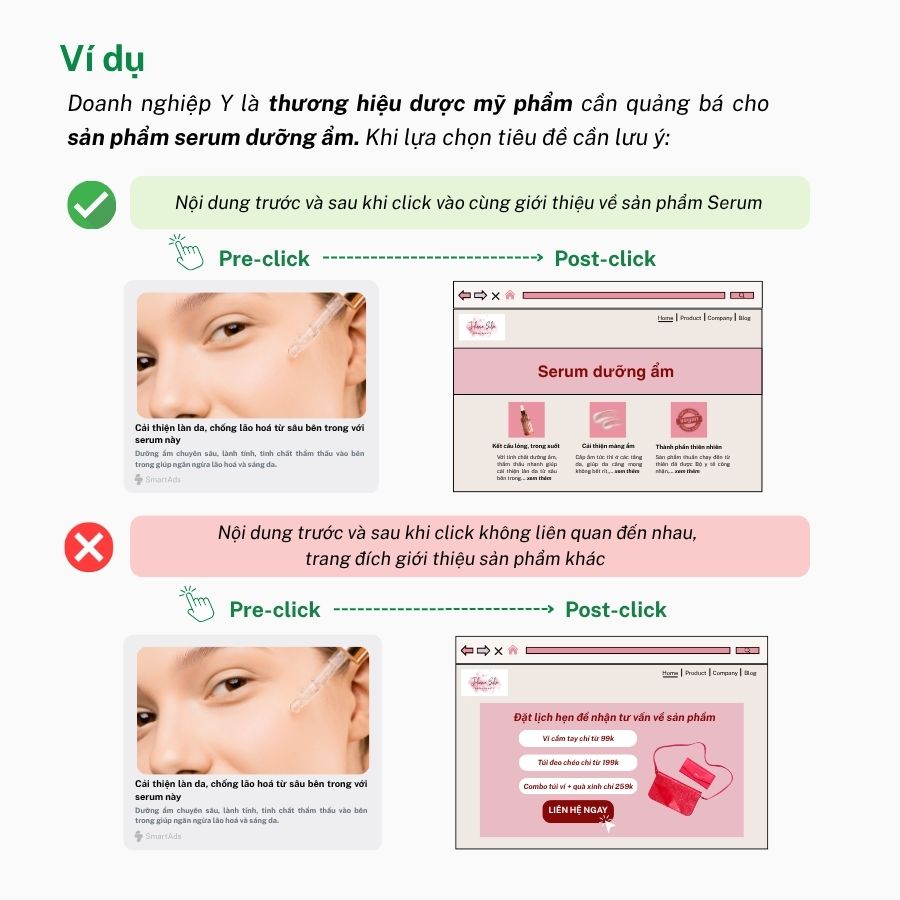
- Carefully review post-click content to ensure it stays aligned with the headline topic.
- Prioritize checklists, tutorial videos, and real case studies to enhance usefulness.
- Use storytelling techniques to increase time-on-site and improve conversion rates.
Consistency between headline and content not only retains users longer but also builds sustainable trust and brand image over time.
Solution 3: Use numbers and curiosity-driven questions
Numbers naturally capture attention. Headlines like “5 Ways to Increase CTR” or “3 Strategies to Retain Customers” stand out because they quickly signal value and set clear expectations.
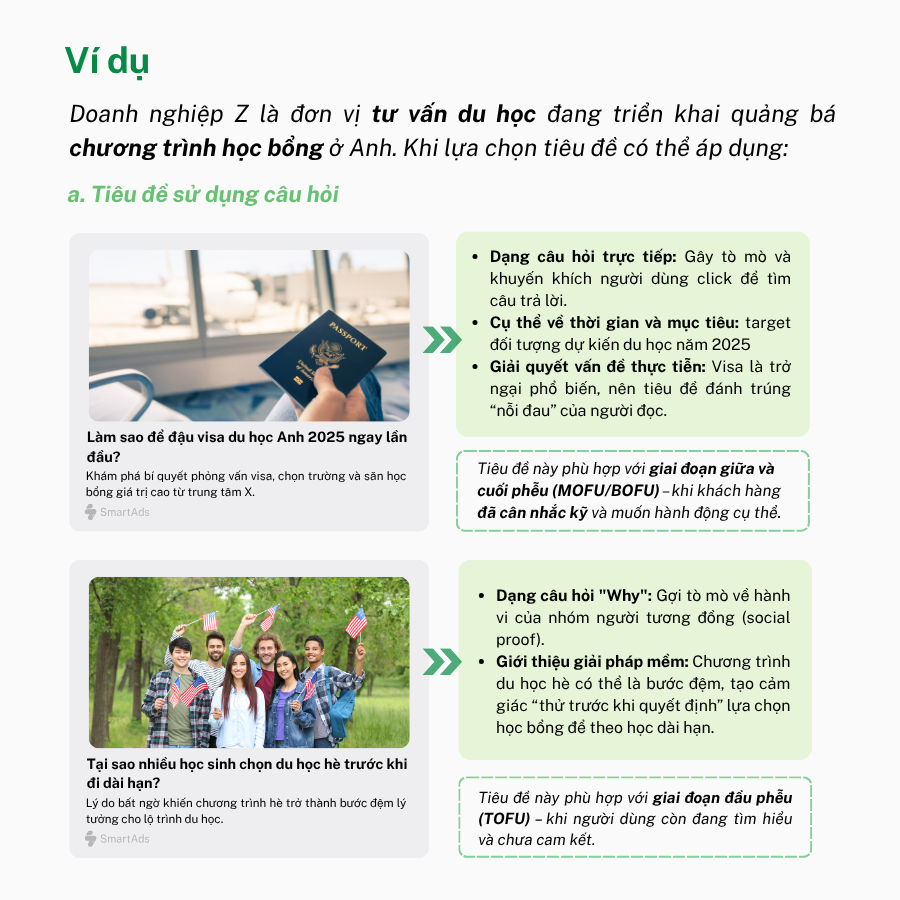
Additionally, well-crafted questions that directly address audience pain points can spark curiosity and motivate clicks.
Strategically incorporating FOMO (Fear of Missing Out) phrases—such as “Only today” or “Top 5 campaigns making waves”—can further enhance urgency and engagement without harming credibility.
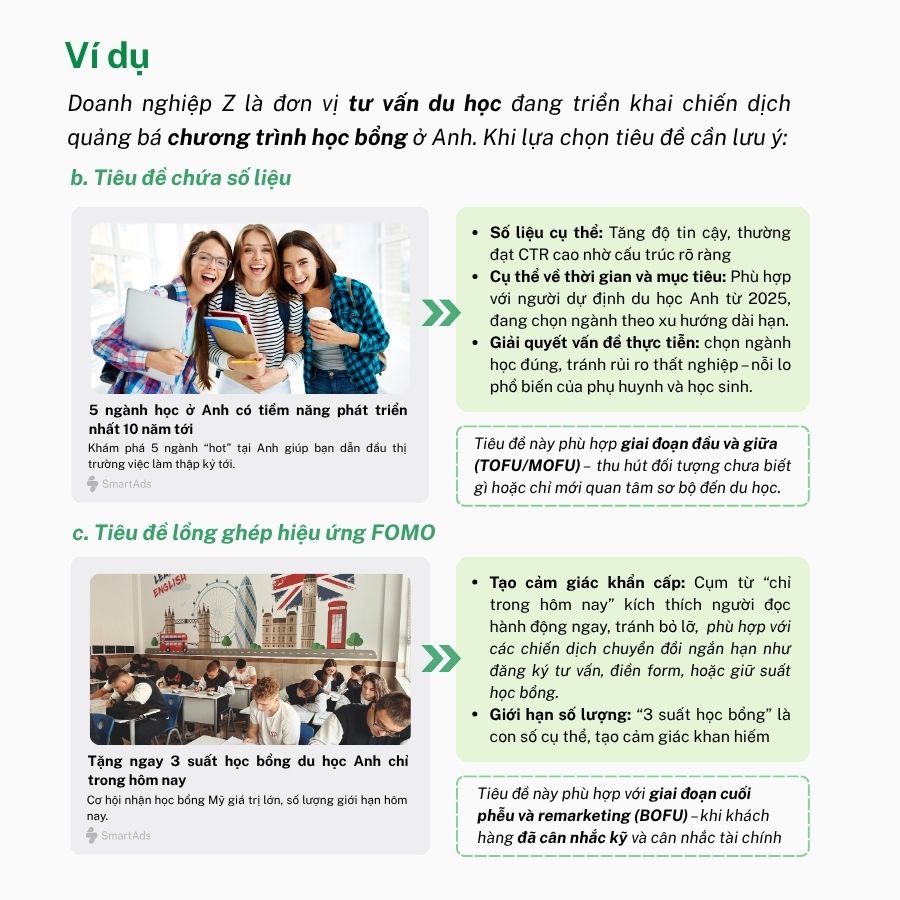
When numbers and questions are combined effectively, headlines become both specific and intriguing—boosting click-through rates while maintaining alignment with post-click content and strengthening brand trust.
Conclusion
Eye-catching thumbnails may grab initial attention, but headlines ultimately determine whether users click. With only a few seconds to capture interest, strong headlines play a decisive role in improving CTR and driving higher conversion rates.
Currently, SmartAds is deploying Native Ads across leading online newspapers, enabling brands to reach target audiences through engaging, experience-driven content. With SmartAds, advertisers can:
- A/B test multiple headlines and identify those with the strongest advertising performance.
- Eliminate overly aggressive or misleading headlines that may reduce reach or harm brand perception.
- Prioritize headlines that achieve high CTR while maintaining stable time-on-site and conversion rates.
By combining headline performance data with post-click behavior analysis, SmartAds helps brands quickly identify which headline strategies truly drive results.