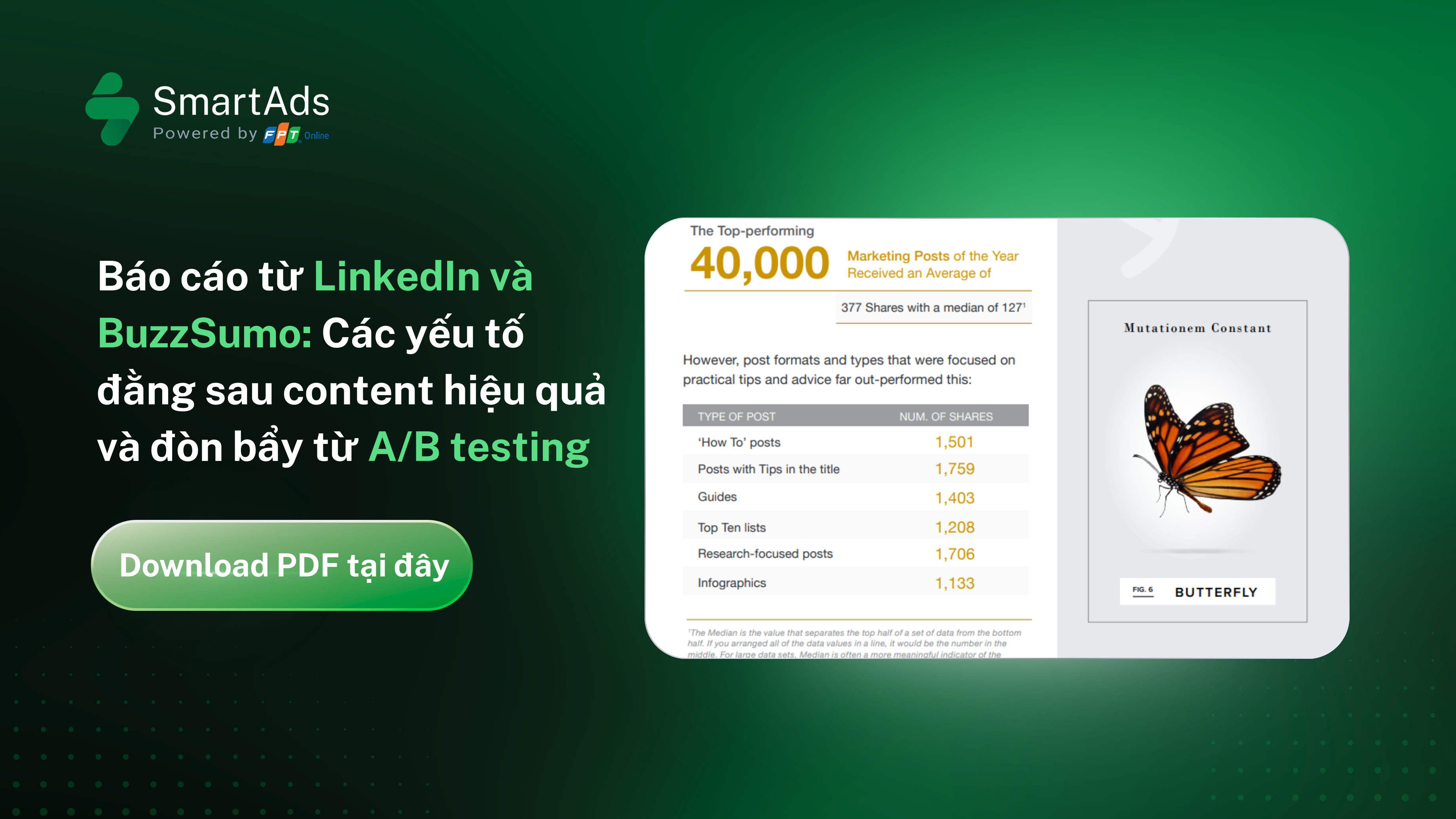
1. High-performing content starts with industry-specific language
Every industry operates within its own ecosystem of terminology, visual conventions, and communication style tailored to its characteristics and audience expectations. In digital marketing and online advertising, aligning content with the right industry language is fundamental to improving content performance and audience engagement.
For example: how-to guides, practical experience sharing, or listicle-style articles accompanied by visuals often perform well in the marketing industry. However, this presentation style may not be suitable in the healthcare sector, where information requires higher levels of accuracy, compliance, and caution, as certain medical images can trigger negative reactions from users.

Overall, relevance is not determined solely by choosing the right topic, but also by how the message is delivered—through tone of voice, structure, and emotional nuance. When content speaks the authentic “language” of its industry and reflects the real needs and concerns of its audience, engagement rates and interaction metrics tend to improve significantly.
2. A strong headline remains the decisive touchpoint for CTR
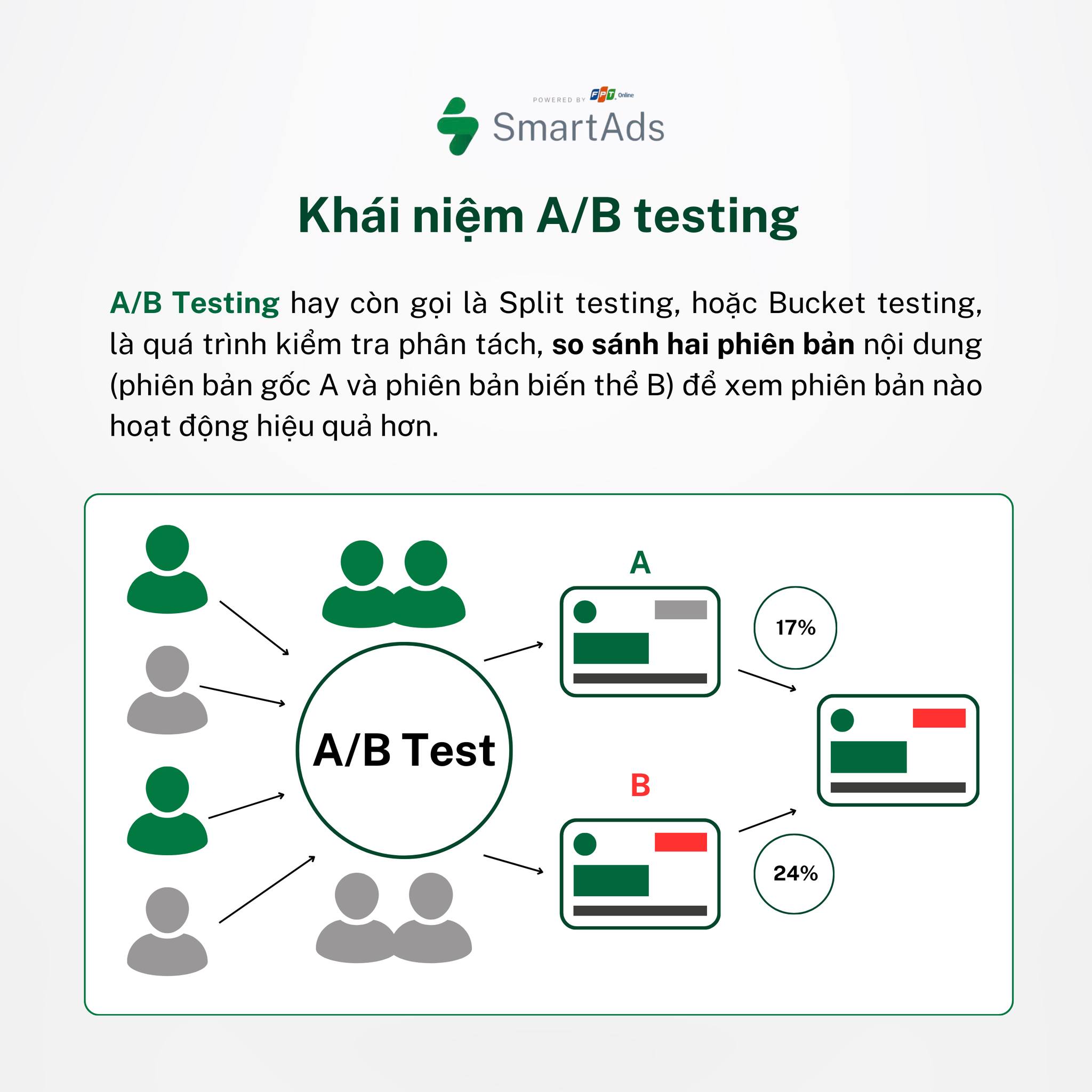
In A/B testing for digital advertising campaigns, the headline is often the variable that creates the most significant difference in click-through rate (CTR). A subtle change in wording can lead to measurable shifts in distribution performance and user response.
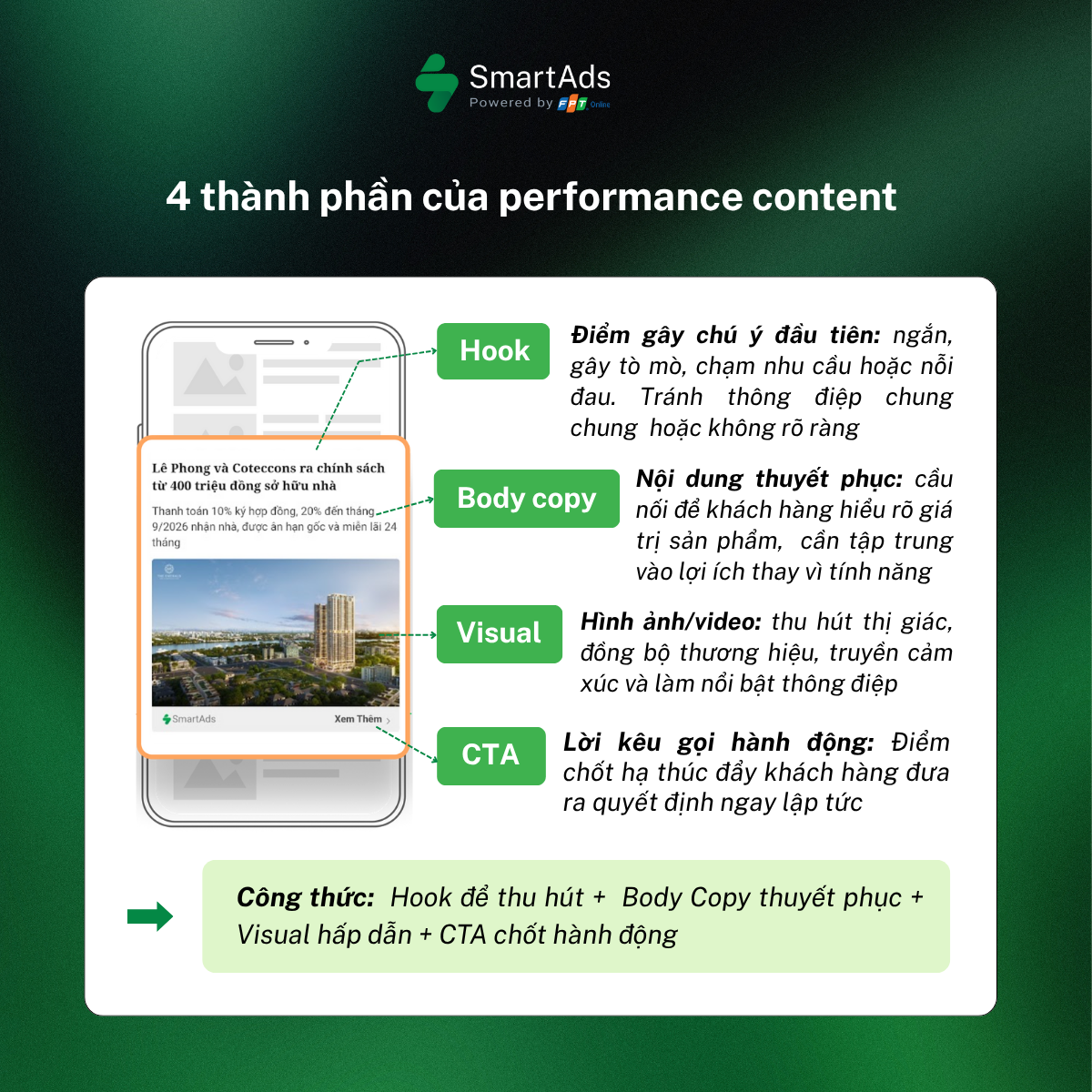
Research indicates that in the B2B sector, content frequently includes words such as “leading,” “success,” “trends,” and “future” because they closely align with market search intent and professional interests. However, when too many brands rely on identical keyword structures and familiar phrasing, headlines can become indistinguishable and lose competitive impact. This is where A/B testing becomes essential. Businesses can experiment with different headline variations, such as:
-
A version optimized for common search language to maximize discoverability and SEO visibility
-
A version that clearly reflects a distinctive brand voice and positioning
-
Or a hybrid version that balances search optimization with brand differentiation
>>> Discover clickbait techniques that help make headlines more compelling.
3. Dramatizing advertising content through data storytelling
Data in its raw form is inherently neutral. Instead of presenting statistics in a dry, technical manner, high-performing advertising content often transforms data insights into vivid, relatable narratives that resonate with real-life experiences.
Example: Two versions of a retinol product advertisement:
-
Version A: “Contains 0.3% Retinol to reduce wrinkles after 8 weeks of use.” => Focuses on technical specifications, active ingredient concentration, and time to results.
-
Version B: “After 8 weeks, the fine lines at the corners of your eyes soften, and your morning foundation no longer settles into creases.” => Describes transformation through everyday moments and tangible experiences.
Both versions are based on the same data regarding active ingredients and timeframe. However, the second version converts numerical data into concrete imagery, connecting with familiar user experiences. This approach to data storytelling enhances emotional engagement and can positively influence conversion rates.
4. Content length, structure, and publishing time have no universal formula
In A/B testing strategies, one of the most important yet frequently oversimplified variables is content length and structure. Many marketers search for a fixed “optimal formula,” but real-world performance data consistently shows that no single benchmark applies to every campaign.
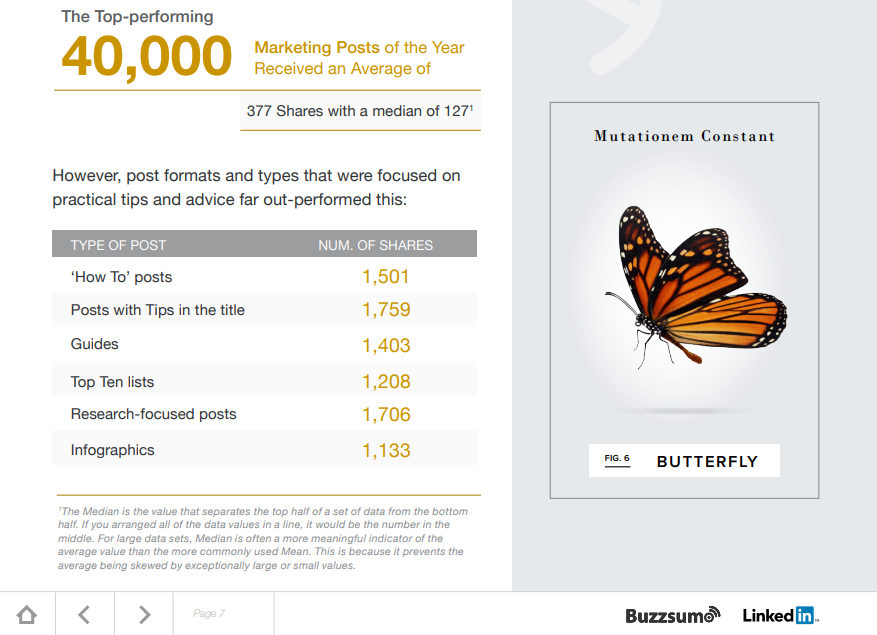
Research conducted by LinkedIn in collaboration with BuzzSumo highlights that effectiveness varies significantly by industry context. For instance, in B2B marketing, in-depth analytical content often performs better because decision-makers require comprehensive information before taking action. In contrast, within entertainment or lifestyle sectors, concise and easily digestible content aligns better with fast consumption behavior on mobile devices.
In advertising campaigns, this logic becomes even more evident:
-
Some campaigns achieve high CTR with short, direct headlines and straightforward messaging
-
Others require longer headlines to filter user intent and improve traffic quality
-
In certain cases, concise descriptions accelerate immediate action
-
In other cases, detailed content is what sustains attention and increases time on page
These differences demonstrate that performance is not determined by length alone, but by how well the content matches user expectations and mindset at a specific moment in the customer journey. Only through structured A/B testing can businesses validate:
-
Whether long-form or short-form content drives higher conversion rates
-
Whether detailed or concise structures increase average time on page
-
Which publishing timeframes align best with the media consumption behavior of each audience segment
Therefore, A/B testing is not merely about optimizing wording. It is a data-driven methodology to determine the most effective content structure and distribution timing for each campaign objective. Rather than relying on subjective experience, optimization decisions are grounded in measurable experimentation, ensuring scalable and repeatable performance outcomes.
Conclusion – When data becomes a storyteller
A/B testing is not simply about changing a headline for experimentation, nor is it limited to adjusting a CTA button color and waiting for conversions. It represents an ongoing dialogue between businesses and the market, conducted through data one variable at a time. When data is properly analyzed and translated into actionable insights, content is no longer based on assumptions. It becomes a measurable, optimizable, and repeatable system that supports sustainable long-term growth strategies. Within the SmartAds ecosystem, businesses can seamlessly implement A/B testing across headline variations, visuals, ad formats, and audience segments. If you are looking for an advertising solution that optimizes both brand awareness and performance marketing outcomes, do not hesitate to create an account and experience campaign setup on SmartAds here.
(References: nativeadvertisinginstitute, Business LinkedIn)