1. What is treatonomics?
“Treatonomics” is a blended term derived from “treat yourself” and “economics.” Instead of overspending impulsively or practicing extreme frugality, consumers—especially Gen Z—are choosing more intentional spending. They allocate money to small yet emotionally meaningful purchases such as scented candles, vintage items, cosmetics, or high-impact experiences like an expensive concert that delivers strong emotional value.
2. Treatonomics – An upgraded version of the “Lipstick Effect”
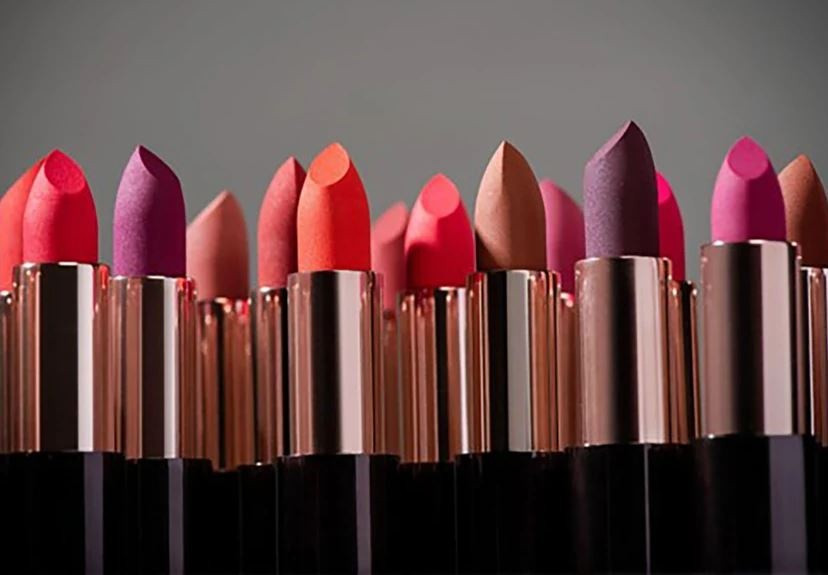
In the past, economists referred to the lipstick effect—a phenomenon where consumers, during economic downturns, opted for affordable indulgences like lipstick to boost their mood. Treatonomics takes this concept further. Today’s consumers are willing to cut back on everyday expenses to save for a single, high-value experience, such as saving for months just to secure a concert ticket worth several million VND.
3. Why is treatonomics gaining momentum?
-
Economic uncertainty: Inflation and rising living costs push people to seek small “emotional remedies” to maintain balance.
-
Declining consumer confidence: Confidence indexes remain low in many markets, making consumers more cautious yet still eager to find joy through selective spending.
-
A strong self-love mindset: Gen Z prioritizes mental well-being, viewing consumption as a form of self-care and stress relief.
4. Treatonomics & Self-Care – Shopping as emotional healing
Treatonomics is closely tied to the concept of self-care. Purchasing a small but meaningful item can instantly improve mood and reinforce the feeling of “I deserve to be treated well.” Gen Z, in particular, gravitates toward emotionally driven consumption self-gifting, beauty routines, refreshing living spaces, or participating in creative experiences.

5. Smart “reverse” onsumption behaviors
Alongside Treatonomics, young consumers are also adopting more rational spending habits:
-
Investing in durable, high-quality products instead of chasing short-lived trends.
-
Dining at community kitchens or canteens to save money while maintaining proper nutrition.
-
Hunting for high-quality, unique secondhand items that are both budget-friendly and eco-conscious.
-
Choosing gold over diamonds due to better liquidity and value retention.
-
Avoiding status-driven purchases and buying only when items truly fit personal needs.
Many experts predict that Treatonomics will remain relevant for the next 3–8 years. Ongoing social, economic, and environmental volatility will continue to reinforce demand for “feel-good” products and experiences—without derailing personal finance plans.
6. How can businesses capitalize on the treatonomics trend?
Gen Z doesn’t just buy products—they buy stories, experiences, and emotions. To leverage the Treatonomics wave, brands must reshape their marketing strategies toward emotion-driven consumption:
Focus on Micro-Luxury
-
Launch limited editions or mini collections at accessible price points, while still delivering a “premium” feel through design, packaging, and service.
-
Examples: artist-collab coffee cups, luxury travel-size beauty sets, or exclusive workshop tickets.
Storytelling That Taps into Self-Love
-
Tell “treat yourself” stories linked to products—such as a perfect day off with scented candles and books, or gifting oneself a handmade item to celebrate a personal milestone.
-
Ad content should evoke a strong sense of “I deserve this.”
Experiential Marketing Campaigns
-
Host mini-events, pop-up stores, or DIY workshops to allow customers to engage and experience firsthand.
-
Create Instagrammable check-in spots to turn experiences into shareable content.
Leverage the “Feel-Good Purchase” Factor
-
Gen Z favors purchases with emotional or social value: eco-friendly products, partial proceeds donated to charities, or collaborations with local artists.
Optimize Social Media Channels
-
Use TikTok, Instagram Reels, and YouTube Shorts to tell small yet emotionally resonant consumption stories.
-
Partner with influencers and creators who inspire self-care and a minimalist-but-meaningful lifestyle.
Create “Treat Yourself” Programs for Loyal Customers
-
Examples include reward points for small gifts, birthday vouchers, or personalized messages like “treat yourself today” paired with exclusive offers.
Conclusion
The rise of Treatonomics clearly highlights one truth: when brands successfully tap into consumers’ sense of self-love and “feel-good” emotions, they don’t just sell products—they build lasting brand connections. In this context, branding goes beyond visual identity; it becomes the ability to evoke a positive emotional state whenever consumers think about the brand.
However, for this trend to translate into real business value, brands must turn “emotion” into “action”—from sparking affection to driving repeat purchases. This is where the Branding x Performance solution from SmartAds truly stands out: helping brands amplify inspiring stories while simultaneously tracking, measuring, and optimizing sales performance in real time. As a result, businesses can not only ride the trend but transform it into a sustainable competitive advantage.