I. Định nghĩa về chiến lược định giá cao (premium pricing strategy)
Premium Pricing hay định giá cao cấp, là chiến lược định giá mà doanh nghiệp thiết lập mức giá sản phẩm hoặc dịch vụ cao hơn so với mặt bằng chung của thị trường. Mục tiêu của chiến lược này không chỉ là để tạo ra lợi nhuận cao, mà quan trọng hơn là nâng tầm nhận thức của khách hàng về chất lượng và giá trị thương hiệu.
Không chỉ giúp tăng biên lợi nhuận, Premium Pricing còn tạo dựng cộng đồng khách hàng trung thành, sẵn sàng giới thiệu thương hiệu qua truyền miệng — một dạng truyền thông miễn phí đầy uy tín mà chỉ thương hiệu cao cấp mới sở hữu được.
II. Điều kiện để triển khai chiến lược định giá cao cấp (Premium Pricing Strategy)
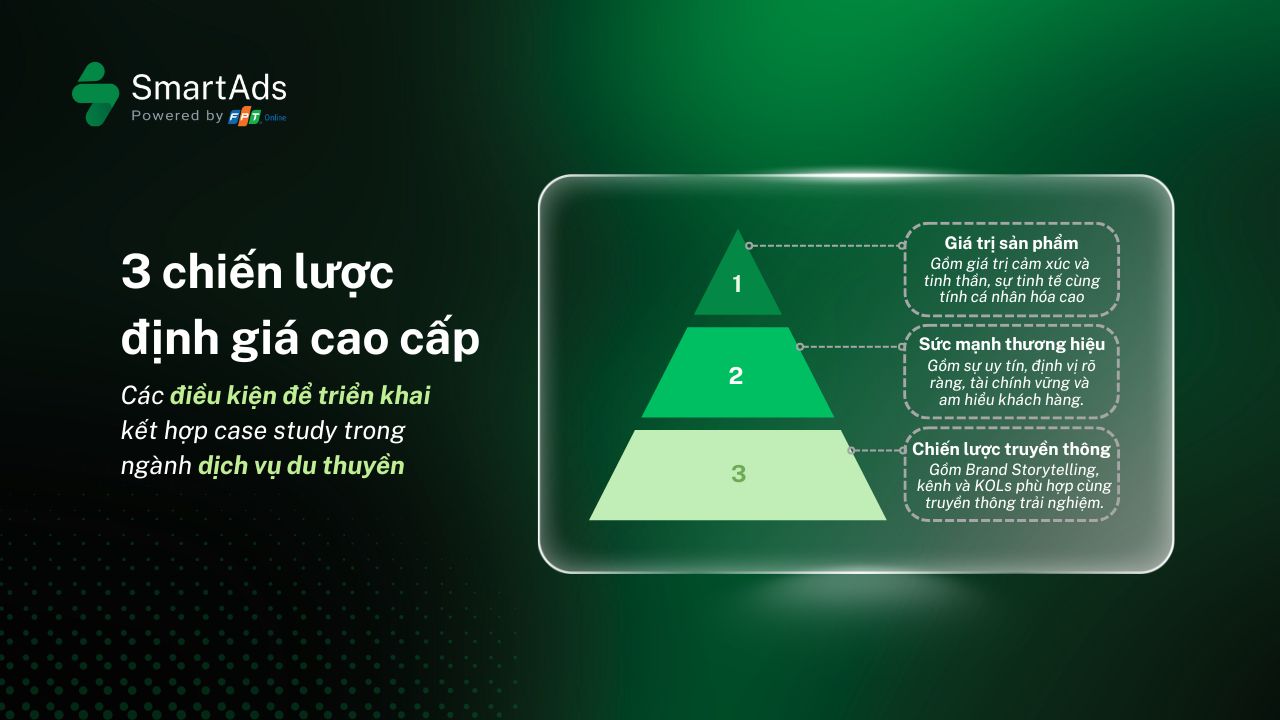
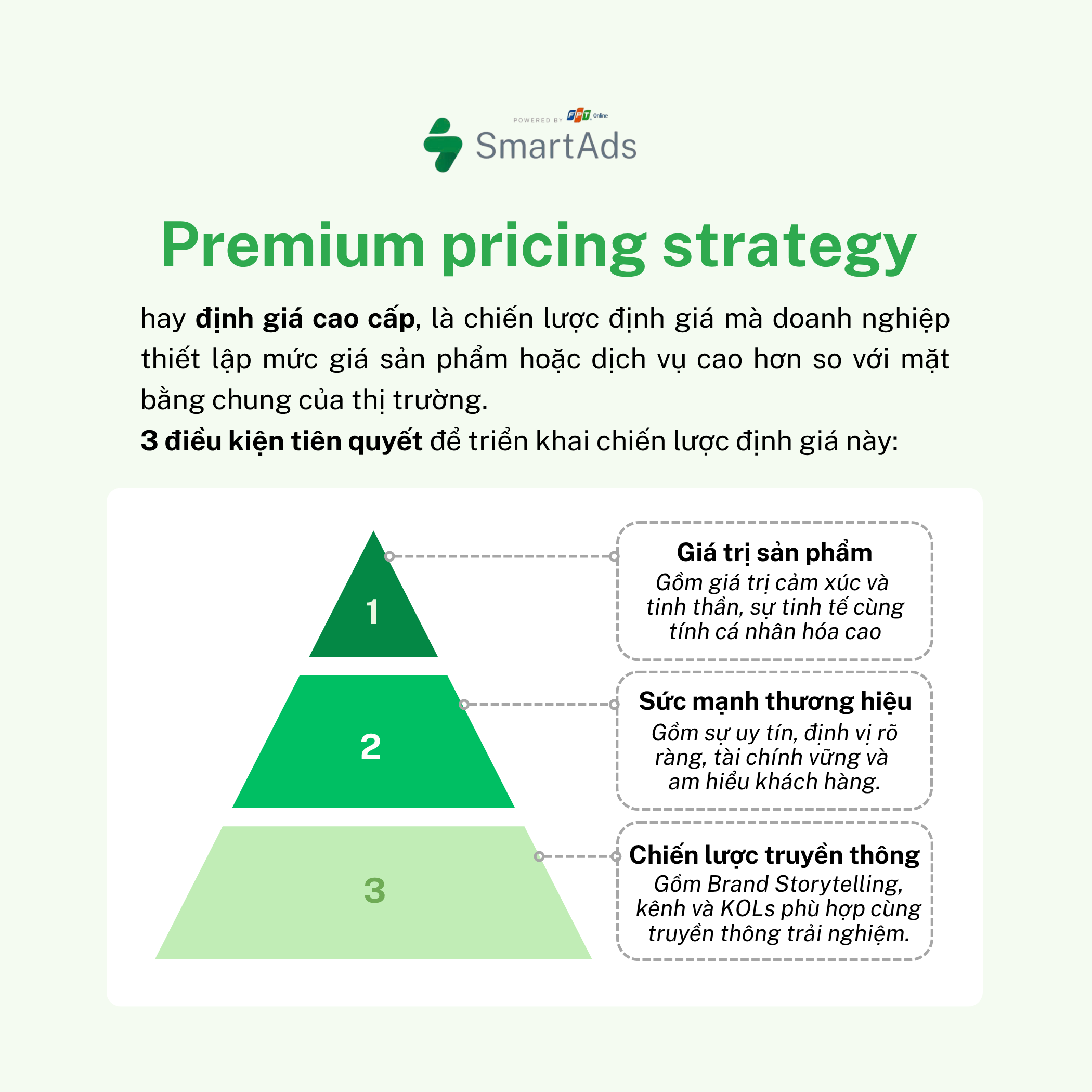
Để áp dụng thành công chiến lược này, doanh nghiệp cần đáp ứng ba yếu tố cốt lõi: sức mạnh thương hiệu, sản phẩm/dịch vụ vượt trội, và chiến lược truyền thông thông minh.
1. Sản phẩm/dịch vụ xứng đáng với giá trị (Superior Product & Experience)
Khách hàng cao cấp không mua sản phẩm, họ mua "câu chuyện" và "cảm xúc" đi kèm. Họ sẵn sàng trả giá cao khi họ nhận được “giá trị độc nhất” mà không thể tìm thấy ở sản phẩm thông thường. Do đó, sản phẩm phải đáp ứng những tiêu chí sau:
-
Mang giá trị tinh thần và phù hợp nhu cầu tệp khách hàng “kỹ tính”: nguyên nhân là bởi họ đề cao trải nghiệm cá nhân, quan tâm đến câu chuyện thương hiệu, tính thủ công, độ tinh xảo và sự khắt khe trong từng chi tiết của sản phẩm.
-
Chi phí sản xuất thấp nhưng giá trị cảm nhận cao: Một chiếc túi Hermès làm từ da cá sấu có giá vài trăm triệu không phải vì chi phí sản xuất đắt, mà vì nó đại diện cho địa vị.
-
Tính cá nhân hóa: Là yếu tố khiến nhóm khách hàng ít nhạy cảm về giá cảm thấy xứng đáng để chi trả, có thể là bởi sự khác biệt, độc quyền và đẳng cấp dành riêng cho họ.
Trên thực tế, những thương hiệu định vị cao cấp như Apple hay Louis Vuitton thành công không phải nhờ vào tính năng hay giá thành sản phẩm, mà nhờ khả năng tạo ra giá trị cảm nhận vượt trội trong tâm trí khách hàng. Họ bán một “trải nghiệm sở hữu” – nơi cảm xúc, bản sắc cá nhân và cảm giác đặc quyền được đặt lên hàng đầu. Người mua iPhone không chỉ cần một chiếc điện thoại, mà còn đang lựa chọn một phong cách sống hiện đại, liền mạch và đẳng cấp. Tương tự, chủ nhân của một chiếc túi Louis Vuitton không đơn thuần tìm kiếm sự tiện dụng, mà đang kể một câu chuyện về vị thế xã hội, gu thẩm mỹ và sự khắt khe trong lựa chọn.
2. Sức mạnh thương hiệu (Brand Power)
Một thương hiệu cao cấp không chỉ định giá cao mà còn khiến khách hàng sẵn sàng trả nhiều tiền hơn vì giá trị tinh thần và đẳng cấp mà nó mang lại.
Những yếu tố tạo nên thương hiệu Premium:
- Uy tín và minh bạch: Doanh nghiệp phải có lịch sử hoạt động rõ ràng, cam kết chất lượng nhất quán, và tránh các rủi ro pháp lý hoặc scandal.
- Định vị rõ ràng: Thương hiệu phải nhất quán trong việc khẳng định đẳng cấp, từ logo, bao bì đến trải nghiệm khách hàng.
- Nền tảng tài chính vững mạnh: Khả năng đầu tư dài hạn vào thiết kế, chất lượng nguyên liệu, và trải nghiệm khách hàng.
- Kinh nghiệm trong phân khúc cao cấp: Hiểu rõ tâm lý và nhu cầu của nhóm khách hàng mục tiêu, từ đó tạo ra sản phẩm đáp ứng đúng kỳ vọng của họ.
3. Chiến lược truyền thông thông minh
Trong chiến lược định giá cao cấp, truyền thông không chỉ là công cụ quảng bá, mà là chất xúc tác làm bật lên đẳng cấp và giá trị vô hình của sản phẩm. Một chiến lược truyền thông hiệu quả giúp định hình cảm nhận của khách hàng về giá trị thương hiệu, từ đó khiến mức giá cao trở nên hợp lý — thậm chí đáng mơ ước.
Các yếu tố tạo nên một chiến lược truyền thông thông minh bao gồm:
-
Tạo dựng câu chuyện thương hiệu (Brand Storytelling): Những thương hiệu cao cấp thường gắn liền với một câu chuyện truyền cảm hứng – có thể là di sản lâu đời, nghệ thuật thủ công tinh xảo, hoặc hành trình sáng tạo đầy bản sắc. Những câu chuyện này không chỉ truyền tải giá trị mà còn giúp khách hàng cảm thấy mình là một phần của hành trình đó.
-
Lựa chọn kênh truyền thông phù hợp: Thương hiệu cao cấp không “phủ sóng đại trà” mà chọn lọc kênh truyền thông để giữ sự tinh tế và chọn lọc. Các kênh như tạp chí chuyên biệt, sự kiện thời trang, triển lãm nghệ thuật hay chiến dịch trên nền tảng digital có tính chọn lọc cao sẽ giúp duy trì hình ảnh thương hiệu đẳng cấp.
-
Sử dụng KOLs/Influencers đồng điệu với giá trị thương hiệu: Đối tượng truyền cảm hứng, có gu thẩm mỹ tinh tế, phong cách sống sang trọng sẽ giúp khẳng định giá trị thương hiệu một cách tự nhiên, thuyết phục.
-
Truyền thông thông qua trải nghiệm: Một sự kiện giới thiệu sản phẩm riêng tư, một chiến dịch tương tác giới hạn hay showroom mang tính nghệ thuật đều là những cách truyền thông tạo trải nghiệm đáng nhớ và củng cố vị thế thương hiệu.
III. Chiến lược định giá cao cấp
Khi đã hội tụ đủ các điều kiện nền tảng về thương hiệu và sản phẩm, doanh nghiệp cần một chiến lược định giá và truyền thông khéo léo để biến mức giá cao trở thành giá trị được khách hàng chấp nhận và khao khát sở hữu.
Để duy trì mức giá cao mà khách hàng vẫn sẵn sàng chi trả, doanh nghiệp cần áp dụng linh hoạt 3 chiến lược “vàng” sau:
1. Chiến lược khan hiếm và độc quyền
Chiến lược khan hiếm kích thích tâm lý sợ bỏ lỡ (FOMO), khiến người dùng cảm thấy giá trị sản phẩm tăng cao và thúc đẩy quyết định mua nhanh hơn để tránh bị "lỡ cơ hội". Doanh nghiệp có thể tạo sự khan hiếm bằng cách:
- Giới hạn số lượng sản xuất
- Ra mắt phiên bản đặc biệt theo mùa
- Chỉ phân phối tại một số điểm bán chọn lọc
- Chỉ dành cho một nhóm khách hàng nhất định
Doanh nghiệp tạo ra sức hút từ sự độc quyền, khiến sản phẩm trở thành biểu tượng đáng mong ước.
2. Chiến lược cá nhân hoá
Chiến lược cá nhân hóa giúp khách hàng cao cấp cảm nhận được sự trân trọng và khác biệt mà số đông không có. Khi sản phẩm và dịch vụ được thiết kế riêng, họ không chỉ mua sản phẩm mà còn sở hữu trải nghiệm cá nhân độc quyền, khẳng định vị thế và gu thẩm mỹ riêng thông qua:
- Dịch vụ tùy chỉnh theo yêu cầu cá nhân
- Trải nghiệm mua hàng riêng tư, VIP
- Gói chăm sóc khách hàng cao cấp
3. Chiến lược nâng cấp liên tục
Giá trị cao cấp không phải là thứ bất biến, mà cần được duy trì và làm mới liên tục để giữ chân khách hàng và nuôi dưỡng sự gắn bó dài lâu. Việc nâng cấp sản phẩm, dịch vụ và trải nghiệm định kỳ giúp thương hiệu duy trì vị thế dẫn đầu và luôn tạo cảm giác mới mẻ cho khách hàng cao cấp bằng cách:
- Định kỳ ra mắt phiên bản cải tiến
- Bổ sung dịch vụ gia tăng đi kèm
- Nâng cấp trải nghiệm khách hàng
IV. Case Study về cách áp dụng chiến lược định giá cao cấp
Giới thiệu chung: Công ty du thuyền X là đơn vị tiên phong trong việc khai thác mô hình du thuyền cao cấp tại khu vực TP.HCM. Nhận thấy nhu cầu trải nghiệm giải trí – ẩm thực theo phong cách riêng tư, đẳng cấp đang gia tăng mạnh mẽ trong tầng lớp thu nhập cao, công ty định hướng phát triển dòng sản phẩm du thuyền boutique, phục vụ nhóm khách hàng đề cao gu thẩm mỹ, giá trị cảm xúc và những khoảnh khắc được "thiết kế riêng". Để có thể áp dụng định giá cao cấp trong các chiến dịch marketing, công ty du thuyền X có thể áp dụng những chiến lược sau:
1. Điều kiện nền tảng để áp dụng chiến lược định giá cao cấp
-
Sản phẩm vượt trội – Trải nghiệm độc bản
Công ty X không chỉ cung cấp dịch vụ du ngoạn trên sông, mà mang đến một hành trình trải nghiệm ẩm thực, giải trí và thư giãn mang tính nghệ thuật – giữa lòng TP.HCM. Du thuyền được thiết kế sang trọng với số lượng giới hạn cabin và khu vực riêng tư, có phòng tiệc VIP, sân thượng ngắm hoàng hôn, quầy bar theo phong cách bán cổ điển. Dịch vụ ẩm thực đạt chuẩn fine dining, nguyên liệu cao cấp theo mùa, đầu bếp trình diễn trực tiếp. Trên tàu còn có ban nhạc jazz hoặc acoustic biểu diễn hàng đêm, tạo ra không gian “ẩn náu sang trọng” giữa thành phố năng động. -
Sức mạnh thương hiệu – Định vị vững chắc trong phân khúc thượng lưu
Công ty X xây dựng thương hiệu không như một hãng du lịch mà như một curator of moments – người kiến tạo những khoảnh khắc đáng nhớ cho giới tinh hoa TP.HCM. Với lịch sử phục vụ nhiều nhân vật nổi tiếng, doanh nhân cấp cao và người nước ngoài sinh sống tại Việt Nam, thương hiệu đã tạo dựng được sự tín nhiệm trong giới thượng lưu. Bộ nhận diện thương hiệu từ logo, website, brochure đến quy trình đặt chỗ đều được thiết kế đồng nhất, nhấn mạnh vào yếu tố exclusive và tasteful. -
Chiến lược truyền thông thông minh – Tập trung vào cảm xúc, không quảng bá đại trà
Thay vì hiện diện trên các kênh truyền thông phổ biến, Công ty X chọn xuất hiện ở các ấn phẩm lifestyle cao cấp, chuyên trang dành cho doanh nhân hoặc qua các chương trình đối tác cùng thương hiệu rượu, đồng hồ, bất động sản hạng sang. Thông điệp truyền thông tập trung vào khía cạnh trải nghiệm – một “bữa tiệc cho mọi giác quan” thay vì liệt kê đặc điểm kỹ thuật hay bảng giá. Cách kể chuyện giàu cảm xúc giúp khách hàng cảm thấy mình là một phần trong hành trình nghệ thuật và cá nhân hóa, chứ không chỉ là “khách đi tàu”.
2. Các chiến lược định giá đi kèm
a. Chiến lược khan hiếm & độc quyền
-
Giới hạn số lượng khách mỗi chuyến đi: Chỉ 32 khách được phục vụ trong không gian rộng rãi và yên tĩnh, tạo cảm giác được “chọn lọc”.
-
Không công khai bảng giá: Thông tin chỉ được cung cấp khi khách hàng để lại thông tin hoặc được mời tham gia các buổi giới thiệu riêng.
-
Tổ chức các chuyến hải trình đặc biệt theo mùa: Các hành trình như “Đêm Trăng Trên Vịnh”, “Fine Dining at Sea” giới hạn số lượng và thời gian.
Phân phối chọn lọc qua mạng lưới đối tác VIP: Không bán trên các nền tảng OTA phổ thông. Quảng cáo hiển thị theo phương thức remarketing giới hạn hoặc thư mời cá nhân hóa.
Nhờ kiểm soát chặt chẽ nguồn cung và kênh tiếp cận, Công ty X khiến trải nghiệm trở nên khan hiếm – không phải ai có tiền cũng có thể dễ dàng mua được. Mức giá cao trở thành một phần của “quy trình chọn lọc” này.
b. Chiến lược cá nhân hóa
-
Hành trình linh hoạt: Khách có thể tùy chọn điểm dừng, thời gian check-in check-out hoặc các hoạt động trên tàu.
-
Dịch vụ theo yêu cầu: Có thể yêu cầu đầu bếp chuẩn bị thực đơn riêng, chọn loại rượu, tinh dầu, hoa trang trí, playlist âm nhạc...
-
Trợ lý cá nhân: Mỗi cabin có một nhân viên phục vụ riêng theo phong cách concierge.
-
Tặng phẩm cá nhân hóa: Từ hộp xì gà đến set chăm sóc da cao cấp, từng món quà được chọn theo thông tin hành vi và sở thích của khách.
Đồng thời, việc cá nhân hóa thông điệp truyền thông kết hợp cùng các chiến lược cá nhân hóa về dịch vụ cũng đóng vai trò quan trọng, giúp thương hiệu chạm đến đúng nhu cầu, gu thẩm mỹ và phong cách sống của từng nhóm khách hàng cao cấp một cách tinh tế và thuyết phục. Từ góc nhìn của khách hàng, họ cảm thấy được thấu hiểu và kết nối sâu sắc với thương hiệu, thay vì chỉ là người tiêu dùng thông thường. Điều này không chỉ gia tăng cảm xúc tích cực, mà còn thúc đẩy hành vi mua và nâng cao hiệu quả truyền thông, khi thông điệp được đón nhận như một sự đồng điệu hơn là lời quảng cáo.
c. Chiến lược nâng cấp liên tục (Value Escalation)
Giá trị cao cấp không phải là thứ bất biến mà cần được nuôi dưỡng qua từng giai đoạn. Việc định giá cao ban đầu được củng cố bằng kế hoạch gia tăng giá trị sản phẩm liên tục:
-
Thường xuyên đổi mới nội thất và tiện ích: Cập nhật công nghệ, nâng cấp các vật liệu và thiết bị trong cabin theo xu hướng wellness và sustainable luxury.
-
Ra mắt sản phẩm mới: Giới thiệu thêm các chuyến charter riêng, phòng suite mở rộng, hoặc mini cruise dành riêng cho cặp đôi.
-
Tạo lý do để quay lại: Các ưu đãi theo mùa, chương trình khách hàng thân thiết với đặc quyền như được đặt chỗ trước, nâng hạng miễn phí...
Kết
Định vị cao cấp không chỉ là một chiến lược kinh doanh mà còn là nghệ thuật trong việc xây dựng thương hiệu, tạo dựng trải nghiệm và chọn đúng nhóm khách hàng mục tiêu. Với những người có thu nhập cao, ít nhạy cảm về giá nhưng kỹ tính trong lựa chọn, việc truyền thông cần diễn ra ở những không gian họ tin tưởng. Cụ thể, nhóm khách hàng này có xu hướng lựa chọn các kênh truyền thông uy tín với hành vi đọc sâu để cập nhật thông tin và quyết định tiêu dùng.
Như vậy, ngoài việc đề cao giá trị thương hiệu, minh bạch trải nghiệm và tính độc quyền, các doanh nghiệp còn cần đảm bảo phân phối thông tin qua các kênh báo chí chính thống, nội dung chọn lọc. Với mạng lưới báo chí chính thống chất lượng cao, SmartAds mang đến giải pháp quảng cáo truyền thông đáng tin cậy cho những thương hiệu đang theo đuổi chiến lược định vị cao cấp, đảm bảo thông điệp thương hiệu được lan tỏa, củng cố độ uy tín trong mắt khách hàng mục tiêu và tạo nền tảng vững chắc cho quyết định tiêu dùng.