Core concept of differentiated marketing
The differentiated marketing strategy is built on clear market segmentation, where each segment represents distinct needs, purchasing behaviors, income levels, geographic locations, or personal preferences. Businesses proactively develop tailored products and services with unique competitive advantages for every target group. This approach enables brands to address each segment’s core insight in depth, create sustainable value, and enhance personalization in modern marketing communications.
Key factors that create differentiation across segments
Companies can leverage multiple variables to differentiate customer segments, including:
- Flexible pricing strategies
- Product features or proprietary technologies
- Packaging design and brand identity systems
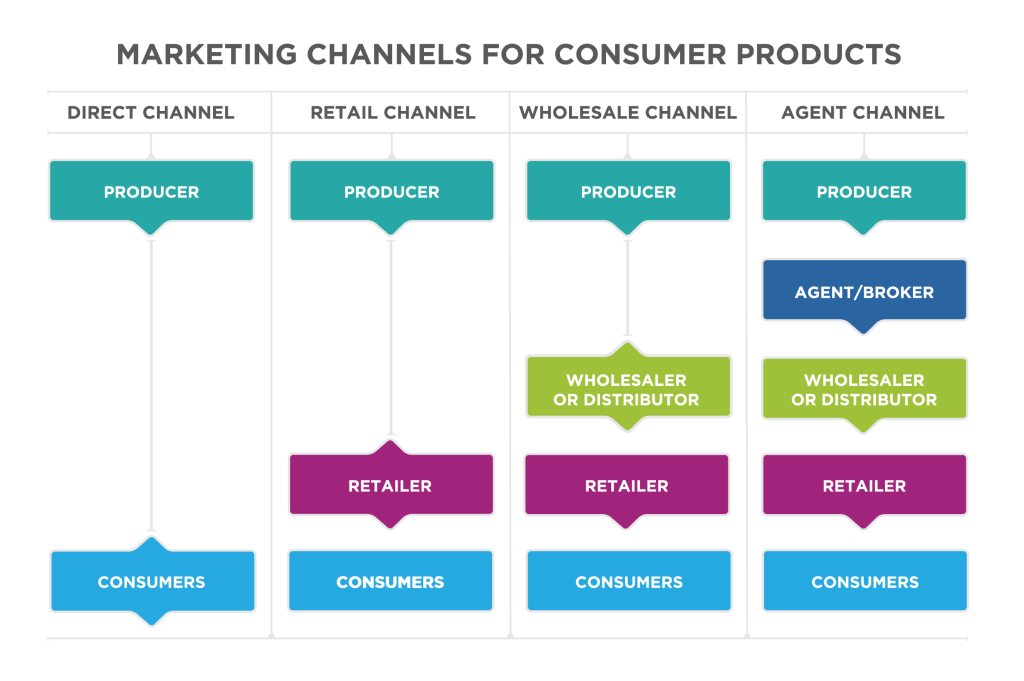
- Diverse distribution channels tailored to each audience group
- Customer service aligned with cultural context and consumption habits
Benefits of differentiated marketing for modern businesses
Increase revenue, profitability, and customer loyalty
- When businesses engage the right target segments, conversion rates improve significantly, as each product or service directly addresses the specific pain points and demands of that segment.
- Personalized customer experiences are also essential for retaining and expanding loyal customer bases, generating stable and long-term revenue streams.
Optimize marketing investment and strengthen brand positioning
- Differentiated campaigns enable companies to reach the right audience, substantially reducing waste caused by mass marketing toward non-potential customers.
- At the same time, brand identity is gradually built and reinforced across multiple customer segments.
- According to HubSpot’s State of Marketing 2024, businesses applying differentiated marketing strategies reported up to 25% higher advertising performance compared to undifferentiated mass approaches.
Enhance competitive advantage in the marketplace
- Owning unique advantages within each segment helps businesses avoid direct head-to-head competition and effectively capture niche market share.
- By leveraging native ads, brands can deliver highly relevant messages to each audience group, exemplified by SmartAds’ user-centric solutions in digital advertising.
Key considerations when implementing differentiated marketing in the digital environment
Require in-depth market research and data analysis
- Businesses must clearly define each segment and collect, refine, and optimize user data to build the most accurate audience groups possible.
- Applying AI-driven, data-driven marketing technologies — such as SmartAds solutions — enables behavioral analysis, habit tracking, and identification of the true insights of each segment.
Manage budget and operations efficiently
- Because differentiated marketing requires multiple product lines and parallel campaign executions, businesses must maintain transparent cost control to avoid resource inefficiencies.
- Prioritize advanced reporting tools and real-time dashboards to monitor and optimize performance continuously.

Monitor performance and adjust strategies flexibly
- Evaluate the effectiveness of each segment carefully to avoid overlap or internal competition that may weaken overall brand impact.
- Continuously update insights on consumer behavior and emerging technologies to improve audience engagement and campaign efficiency.
Prevent over-segmentation and protect brand equity
- Businesses must ensure that differentiation is meaningful and truly reflects market demand, rather than creating confusion about the brand’s core value proposition.
Conclusion
In summary, differentiated marketing is not only a strategic lever for optimizing marketing effectiveness, but also a powerful driver for shaping competitive positioning and sustaining brand relevance in today’s era of digital transformation and hyper-personalization.