1. Review and sign image copyright agreements
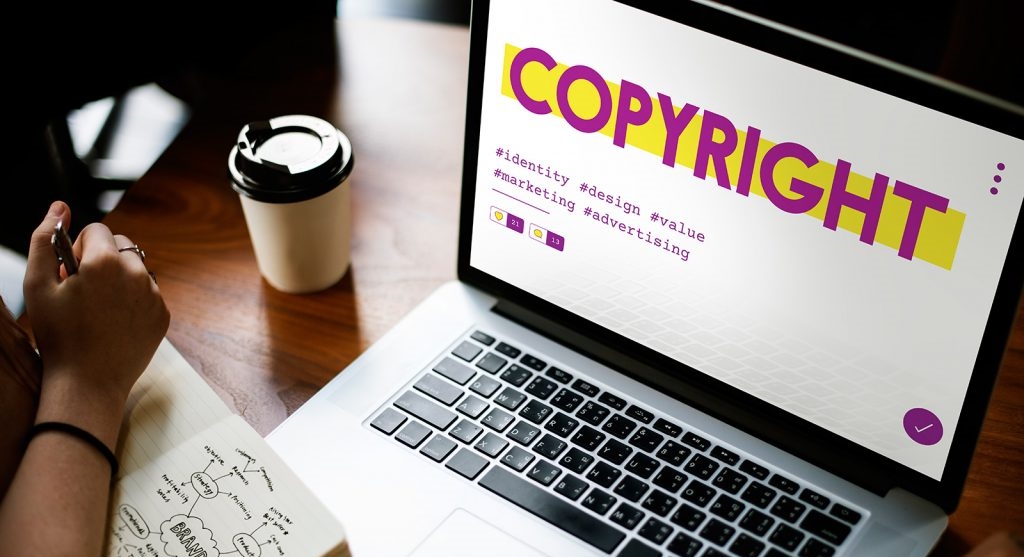
The first and foremost step is to ensure that image usage rights are clearly defined in the contract. Key points to clarify include:
-
Usage duration: 3 months, 6 months, or 1 year? After this period, the brand is not allowed to continue using the images unless a new contract is signed.
-
Scope of use: which channels (Facebook, TikTok, Instagram, press, etc.), formats (TVC, OOH, banner ads, etc.), or exclusivity within certain industries.
-
Geographical coverage: limited to Vietnam or extendable internationally.
-
Applicable talent: Not only celebrities, KOLs, or well-known faces, but also smaller talents with low reach—regardless of age—must have clear agreements. Many brands mistakenly think contracts are only necessary for famous personalities, while lesser-known talents can be more flexible. Another misconception is that images found on Pinterest or Google are free to use for advertising. In reality, all images are intellectual property of the creator, and misuse may expose the brand to legal disputes, claims, and damage to brand reputation.
Example: An F&B brand signs a 6-month contract with an influencer for a video review, valid from 01/01/2025 to 30/06/2025, allowing use only on Facebook. However, after expiration, the brand continues to use the video for ads on TikTok and in the press until August 2025 without renewing the contract. This constitutes a violation of image copyright terms, using beyond the agreed scope and timeframe. This not only risks additional budget for legal handling but also affects the brand’s reputation due to failing to secure partners’ rights.
2. Ensure compatibility between talent and brand
A highly influential influencer is not necessarily suitable for all industries. Brands should consider:
-
Audience fit: Does the talent’s audience align with the brand’s target customers?
-
Brand values: Do the KOL/KOC’s image, style, or statements conflict with the brand positioning?
-
Reputation sustainability: Does the influencer frequently get involved in controversies or scandals? If so, the brand may suffer negative impacts.
3. Content and image management rights
Brands have often faced challenges when talent publishes content outside the agreed scope or removes posts before the contractually committed period. To avoid this, clearly define upfront:
-
Content editing and approval rights: Does the brand or agency have full authority to review and modify content before publication? Who is ultimately responsible for the accuracy of the published information?
-
Image usage rights: Is the talent allowed to reuse images from this collaboration for other brands?
-
Content retention period: How long must posts remain on social media—3 months, 6 months, or until the campaign ends?
Detailing these terms helps brands maintain control over content management while ensuring that campaign performance data is not disrupted.
4. Compliance with laws and advertising regulations
- Certain industries, such as pharmaceuticals, functional foods, and finance, have strict rules regarding advertising images. Talents or KOLs must not make exaggerated claims or mislead audiences about product benefits.
- Brands also need to incorporate legal review before launching campaigns to avoid fines or reputational risks.
>>> Learn more about SmartAds advertising regulations here.
Conclusion
Using talents, KOCs, KOLs, and influencers in advertising campaigns is an effective strategy to increase brand reach. However, businesses must pay special attention to image usage rights, compatibility, legal compliance, and performance measurement. Thorough preparation allows brands to leverage influencer impact while avoiding legal issues and unnecessary crises.
Currently, SmartAds is implementing the Brandformance (Branding x Performance) solution—a model that connects brands directly with reputable publishers. Prioritizing brand safety during content review, SmartAds ensures brand images appear in quality environments, reach the right potential customers cost-effectively, and simultaneously increase conversion rates.