What is deep learning?
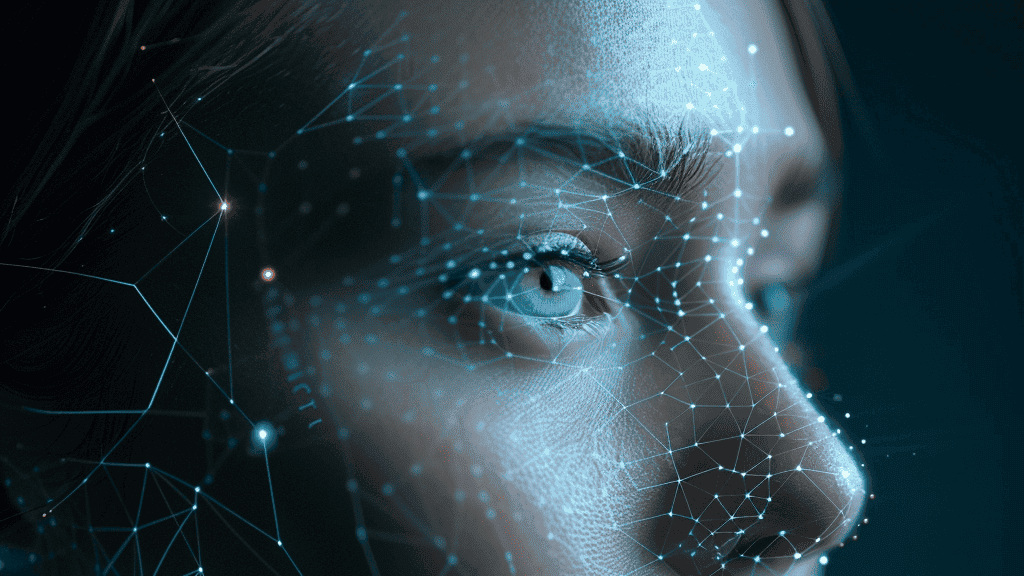
Deep learning is a specialized branch of artificial intelligence (AI) that operates on multi-layered artificial neural networks, enabling systems to automatically learn and extract meaningful patterns from massive datasets- especially unstructured data such as images, videos, and digital user behavior. Unlike traditional machine learning approaches that rely heavily on manually engineered features, deep learning autonomously discovers hidden patterns, significantly enhancing analytical capabilities and personalization in modern advertising and marketing.
How deep learning works and common architectures
- Deep neural network structures: Deep learning models are built on multi-layer neural networks that iteratively optimize weights during training, allowing more accurate pattern recognition and prediction.
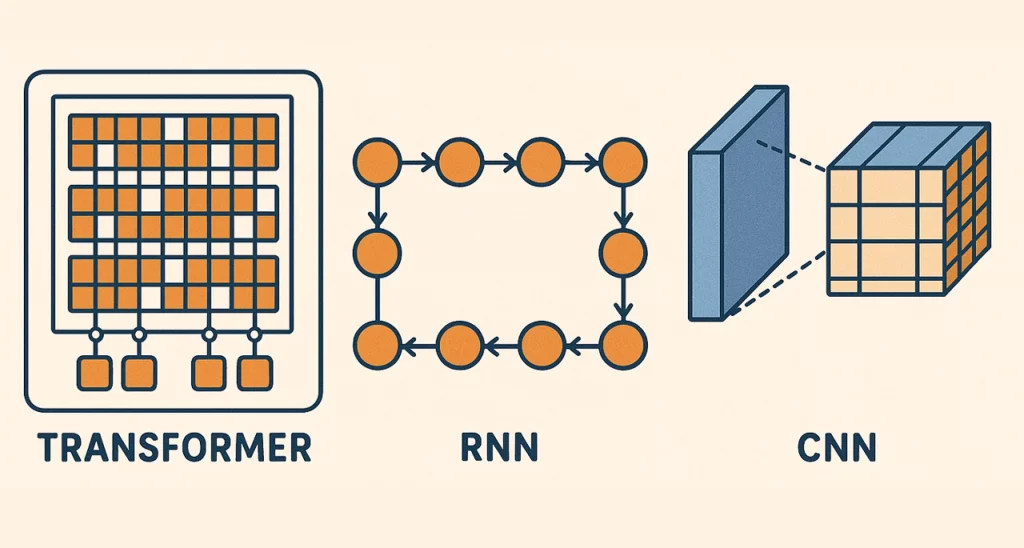
- Convolutional Neural Networks (CNNs): Highly effective for image recognition, CNNs enable automatic classification and optimization of creative advertising visuals at scale.
- Recurrent Neural Networks (RNNs) and Transformers: Designed for sequential and time-series data, these architectures excel at advertising personalization, user behavior modeling, and search trend prediction.
Deep learning models and their strengths in advertising applications
- CNNs: Excel in visual recognition, helping improve brand recall and visibility through optimized banner and display advertising.
- RNNs: Analyze sequential user behavior data, enhancing customer journey tracking and engagement modeling.
- GANs: Generate new advertising creatives (images and videos) tailored to specific market contexts and audience preferences.
- Transformers: Enable highly personalized advertising messages and contextual delivery, strengthening two-way communication between brands and consumers.
Each deep learning model brings distinct advantages. When combined, they deliver superior capabilities in recognition, response, and behavioral prediction - far surpassing the limitations of traditional advertising methods.
Key benefits of deep learning in the advertising industry
Multiple studies indicate that applying deep learning in advertising not only improves campaign performance but also optimizes costs and elevates customer personalization to an entirely new level. Key benefits include:
Optimizing Advertising Campaign Performance
- Smarter budget allocation through performance prediction across channels based on CPA, CPC, and ROI metrics.
- Automatic learning of user behavior to dynamically adjust ad messaging by timing and context, driving higher conversion rates.
Advanced Customer Targeting and Behavior Prediction
- Deep learning processes big data to accurately identify high-potential audiences and optimize delivery for each creative and ad format.
- Many advertising platforms now leverage AI-powered targeting to reduce acquisition costs while maximizing efficiency.
Detecting and Preventing Ad Fraud with Deep Learning
-
AI-driven models can rapidly detect abnormal behaviors such as click fraud and view fraud more effectively than traditional systems. This process requires collecting critical user data such as IP addresses, traffic sources, click timestamps, action duration, browser types, and device information. Analyzing these data points enables early detection of anomalies and proactive prevention of online advertising fraud.
Emotion Analysis and Enhanced Advertising User Experience
- Deep learning identifies emotional signals from images, videos, and real-time user feedback to automatically adjust ad content—ensuring personalized messaging reaches the right audience at the most relevant moment.
Real-Time and Location-Based Advertising
- Deep learning predicts optimal locations and timing for audience engagement, improving bidding efficiency and reducing overall advertising costs.
Marketing Automation and Resource Optimization
- Real-time reporting systems aggregate data and generate strategic recommendations, helping marketers significantly reduce operational time and costs. Compared to traditional workflows, deep learning-powered data models dramatically shorten analysis and planning cycles.
Conclusion
Deep learning is not merely a technological trend - it is a powerful catalyst enabling marketers to scale, adapt, and grow in the digital advertising era. By embracing innovation and choosing AI-driven advertising platforms like SmartAds, businesses can transform raw data into measurable performance and unlock new growth opportunities through intelligent optimization and personalization.