What are Qualified Leads?
Qualified leads are potential customers who have been screened and meet specific criteria in terms of needs, purchasing power, and level of interest—making them suitable for further nurturing by marketing or sales teams. Prioritizing lead quality helps businesses avoid wasting resources on prospects with low conversion potential, while improving overall conversion rates across marketing and sales funnels.
Types of qualified leads
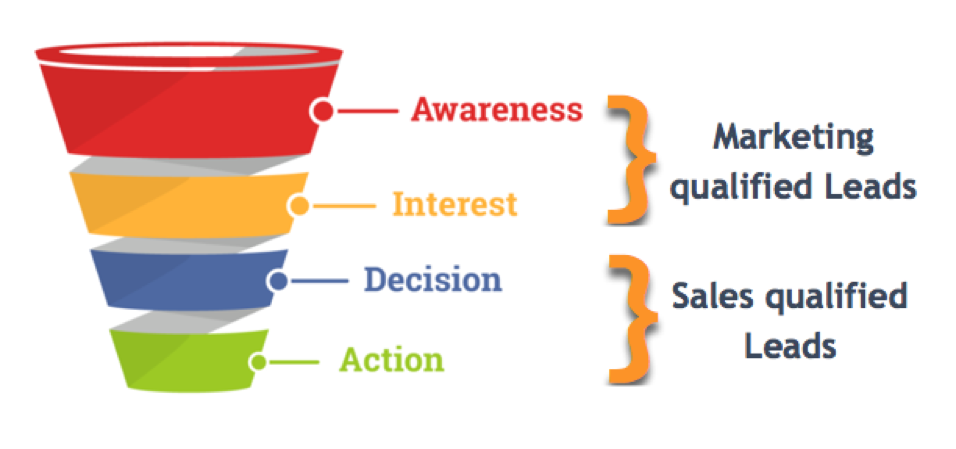
In practice, qualified leads are typically categorized into four main groups:
Marketing Qualified Lead (MQL)
Marketing Qualified Lead (MQL): These are leads that demonstrate interest in a product or service through actions such as subscribing to newsletters, downloading content, or attending webinars. They have engaged with marketing activities but are not yet ready to be handed over to the sales team.
MQL identification checklist:
-
Subscribed to content, newsletters, or email updates
-
Submitted a form for trial consultation or service inquiry
-
Frequently visits the website or engages with blog posts and campaigns
Sales Qualified Lead (SQL)
Sales Qualified Lead (SQL): These leads have been vetted by marketing and are deemed ready for direct engagement by the sales team. SQLs typically show strong purchase intent or proactively reach out to learn more about pricing, features, or implementation.
SQL identification checklist:
-
Requested a product demo
-
Scheduled a consultation with the sales team
-
Actively compared products or solutions on the website
-
Previously communicated with sales representatives via phone or email
Product Qualified Lead (PQL)
Product Qualified Lead (PQL): Commonly used in SaaS business models, PQLs are leads who have experienced the product firsthand—typically through a free trial—and show strong signals of converting into paying customers.
PQL identification checklist:
-
Used the product trial for a defined period
-
Activated premium or advanced features
-
Logged in and used the product frequently
Service Qualified Lead
Service Qualified Leads are existing customers who proactively express interest in upgrading their service plans or purchasing additional products. Unlike MQLs—who only show interest through marketing interactions—or PQLs—who demonstrate intent through product usage—Service Qualified Leads directly request changes such as plan upgrades or add-on services.
For example, when a customer contacts customer support to request a subscription upgrade, the service team validates the need and classifies them as a Service Qualified Lead before transferring them to the sales team. These leads often have the highest purchase intent, enabling faster and more efficient conversion.
>>> Read more about lead scoring models here.
How to Attract Leads to Your Brand Landing Page
#1. Optimize Landing Page Experience and SEO
SEO helps your landing page appear in search results when users look for keywords related to your products or services. Focus on optimizing headlines, meta descriptions, and content to increase click-through rates, while ensuring fast loading speed and mobile responsiveness. A well-optimized landing page delivers sustainable organic traffic and supports long-term lead generation performance.
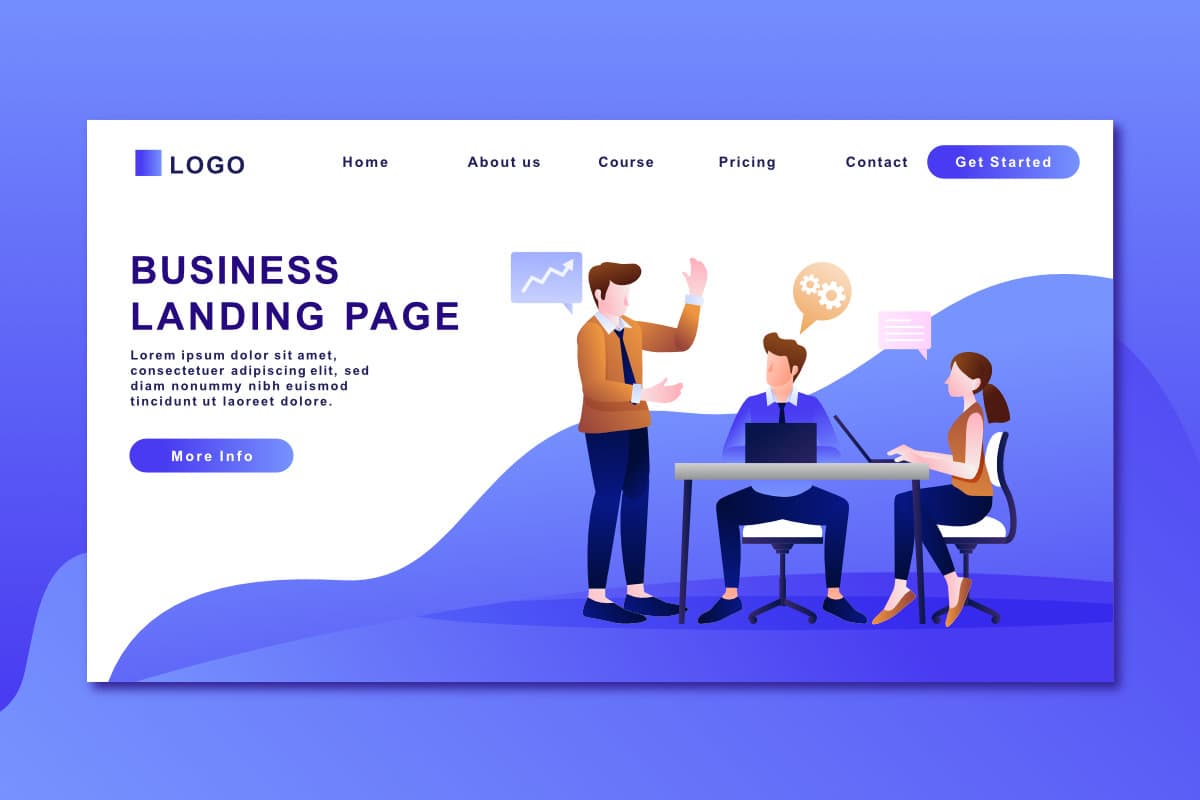
At the same time, UX/UI design strongly influences whether visitors stay and take action. A clear layout, balanced color palette, prominent CTAs, concise messaging that addresses pain points, and seamless performance across devices all contribute to a smooth user experience—encouraging users to submit their information.
#2. Run Precisely Targeted Paid Advertising
Paid advertising enables rapid access to potential customers, especially when they are actively searching for solutions. For example, Google Ads capture high-intent search queries, Facebook and Instagram Ads leverage large audience pools, while SmartAds excels at contextual targeting combined with high-quality reader behavior insights. In addition, remarketing campaigns are highly effective in re-engaging visitors who previously accessed your website but did not convert.
#3. Create High-Value Lead Magnets
Users are more willing to share their information when they receive tangible value in return. Consider offering ebooks, research reports, free checklists, or hosting in-depth webinars. Limited-time incentives such as discount vouchers or exclusive gifts can also significantly motivate users to visit your landing page.
#4. Use Clear and Compelling Calls to Action (CTA)
CTAs play a decisive role in driving user action. Buttons should be concise and action-oriented, using strong verbs such as “Sign up now” or “Download for free,” while standing out visually from the background. Placing CTAs at multiple touchpoints throughout the page increases visibility and click-through potential.
#5. Leverage Email Marketing & Chatbots
Email marketing remains an effective channel for driving traffic back to landing pages—especially when content is personalized based on user behavior and segmentation. In parallel, AI chatbots on websites or fanpages can automatically suggest relevant landing page links, creating fast and interactive user experiences. Together, these channels make it easier for customers to access information and take action.
#6. Invest in Social Media & KOLs
Social media is an ideal channel for sharing landing page links through posts, stories, and videos. Collaborating with KOLs or KOCs to review products or services can further drive high-quality traffic. Gamification activities such as mini-games or challenges also encourage users to visit landing pages to participate.
#7. Continuously Run A/B Testing
There is no single formula for a high-performing landing page—testing is essential. Conduct A/B tests on elements such as headlines, visuals, registration forms, and CTAs to identify versions with the highest conversion rate. Data-driven optimization enables continuous performance improvement over time.
Conclusion
Investing in qualified leads not only optimizes marketing spend but also lays a solid foundation for sustainable growth in the digital era. By understanding lead quality, applying best practices, and leveraging technology effectively, marketers and businesses can build a lasting competitive advantage in the near future.