Research trends on the product life cycle (PLC) in marketing strategy
The Product Life Cycle (PLC) has long been a foundational framework in modern marketing management. In the context of rapid digitalization and constantly evolving markets, analyzing and applying the PLC model is gaining increasing attention as a way to enhance adaptability, forecasting accuracy, and resource optimization for businesses in Vietnam and across Southeast Asia. This approach plays a critical role in shaping effective marketing strategy, product development, and sustainable business growth.
Definition and stages of the product life cycle
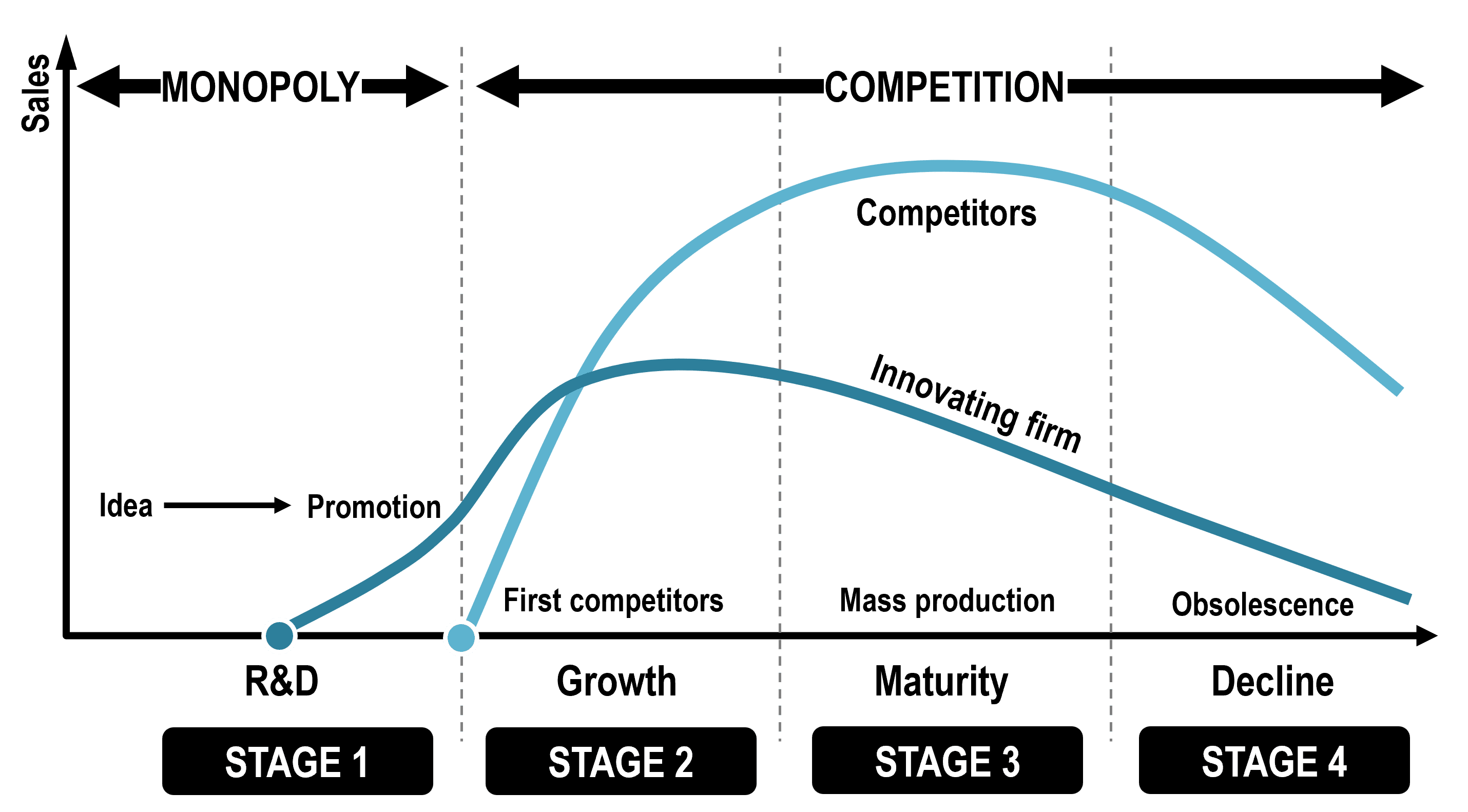
The Product Life Cycle describes the overall development journey of a product and is typically divided into four key stages:
- Introduction: The product is newly launched, sales volumes are low, and significant investment in marketing is required. Early adopters and risk-tolerant customers dominate this phase.
- Growth: Market awareness and acceptance increase rapidly, sales accelerate, and competitive pressure begins to intensify.
- Maturity: Sales reach their peak and growth slows as the market becomes saturated. Competition focuses primarily on pricing, differentiation, and service quality.
- Decline: Sales decrease due to the emergence of newer products, technological disruption, or shifts in consumer behavior.
In today’s dynamic business environment, each industry presents unique characteristics in terms of timing, competition intensity, and product longevity. Technology products often have shorter life cycles, while FMCG products can maintain longer cycles through continuous innovation and incremental improvements.
Benefits of understanding and applying PLC in strategic direction
A clear understanding of the Product Life Cycle enables marketers to:
- Forecast revenue and mitigate risk: Identifying the current PLC stage allows businesses to proactively prepare appropriate responses and contingency plans.
- Guide marketing planning and resource allocation: Each stage requires different investment levels and communication strategies (according to McKinsey, life cycle management was a key factor in advertising budget optimization in 2023).
- Drive continuous product development: PLC analysis helps identify the right timing for product enhancements, new version launches, or brand repositioning.
- Key metrics to monitor throughout the PLC:
- Sales growth rate
- Repeat customer rate
- Conversion cost and CAC (Customer Acquisition Cost)
- Market share relative to competitors
The role of PLC in optimizing multi-channel marketing strategy
The digital marketing era requires marketers to apply the Product Life Cycle flexibly across multiple channels:
- During the introduction stage, native ads and influencer marketing should be prioritized to build brand awareness.
- In the growth stage, performance advertising solutions (such as SmartAds – a multi-platform advertising optimization solution) deliver maximum impact by targeting high-intent audiences.
- At the maturity and decline stages, marketing efforts should shift toward customer retention, stronger incentives, and diversified messaging.
PLC helps SME marketers allocate budgets more efficiently and focus on the most effective channels at each stage. According to HubSpot’s 2024 report, 71% of small and medium-sized businesses stated that closely aligning marketing activities with the Product Life Cycle significantly improved ROAS (Return on Ad Spend).
Recommended marketing strategies for each product life cycle stage
Below are detailed marketing strategies tailored to each PLC stage: Introduction, Growth, Maturity, and Decline.
- Introduction
- Focus on building brand awareness and market education
- Combine native advertising, social media ads, and KOL collaborations to generate attention
- Test pricing models and measure early customer response
- Growth
- Expand distribution channels
- Scale performance marketing and conversion optimization initiatives
- Invest in customer experience and loyalty-building programs
- Maturity
- Diversify products and develop new variations
- Enhance customer experience and introduce promotional programs
- Retain loyal customers through structured loyalty programs
- Decline
- Optimize costs, limit broad marketing efforts, and focus on core loyal segments
- Consider launching replacement products or repositioning the brand
By accurately understanding, analyzing, and flexibly applying the Product Life Cycle, Vietnamese businesses can confidently accelerate brand growth, optimize marketing investment efficiency, and achieve sustainable business growth in the digital transformation era.