
What is a content pillar?
A content pillar is a broad, in-depth core topic that is explored through multiple related pieces of content, forming a structured topic cluster. Unlike standalone articles, a content pillar acts as the “backbone” that connects and organizes all supporting content, enabling readers to access knowledge in a systematic and cohesive way.
You can think of it this way: while a typical article addresses a single aspect of a topic, pillar content builds a comprehensive knowledge foundation, showcases subject-matter expertise, and becomes a trusted destination for potential customers.
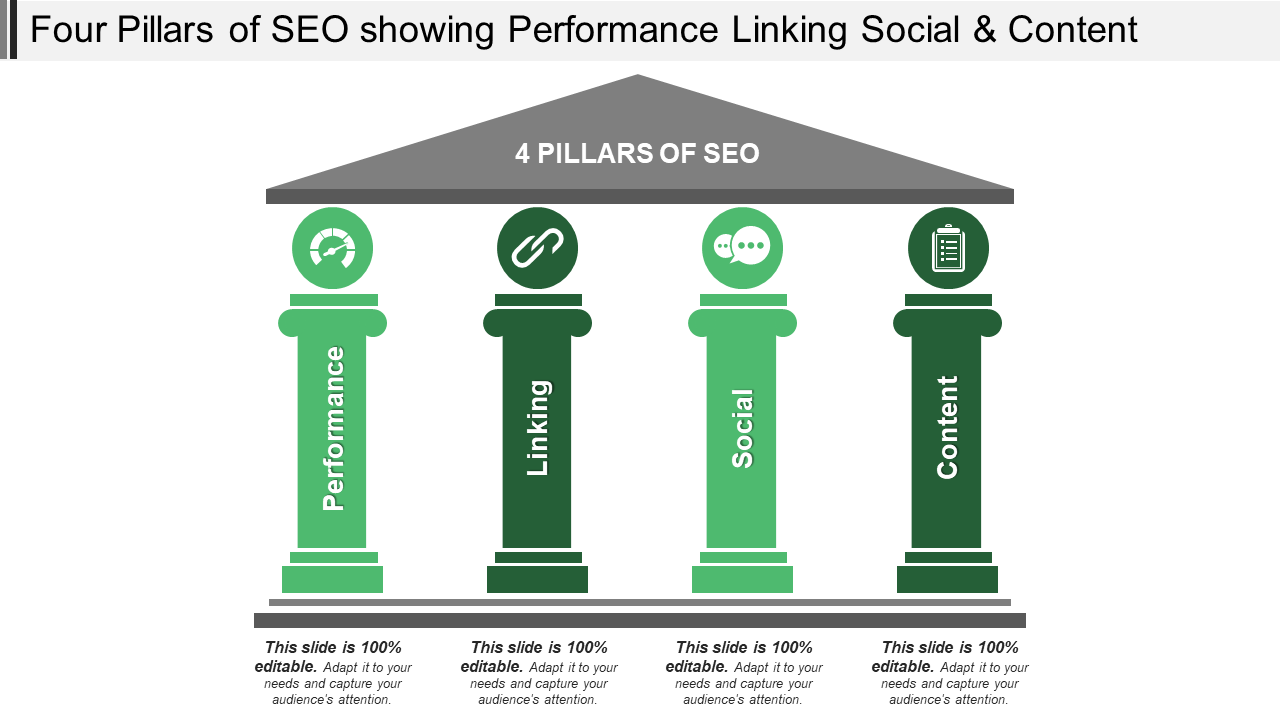
The central role of content pillars in a content marketing strategy
A content pillar is not just a long-form or summary article - it serves as the starting point for an entire content strategy. It guides the development of topic clusters and distributes value across multiple channels, including websites, social media, email, and native advertising. As a result, brands not only increase visibility but also establish thought leadership and a distinct identity within a comprehensive content marketing and digital marketing strategy.
Benefits of using content pillars in advertising campaigns
Is investing in content pillars truly worth it for marketing campaigns? Let’s explore the key advantages that businesses are leveraging in today’s content-driven digital marketing landscape.
Building authority and strengthening brand trust
A well-crafted pillar content delivers substantial value by directly addressing customer pain points or providing in-depth knowledge. According to Anna Lebedeva (SEMrush), content pillars function as a “trust hub” for audiences, demonstrating deep expertise and reinforcing a brand’s authority within its industry.
Comprehensive SEO optimization
Content pillars enhance SEO performance through a structured primary–secondary keyword strategy (LSI keywords), logical internal linking, and clear topical relevance—helping search engines better understand the full scope of a website’s subject matter.
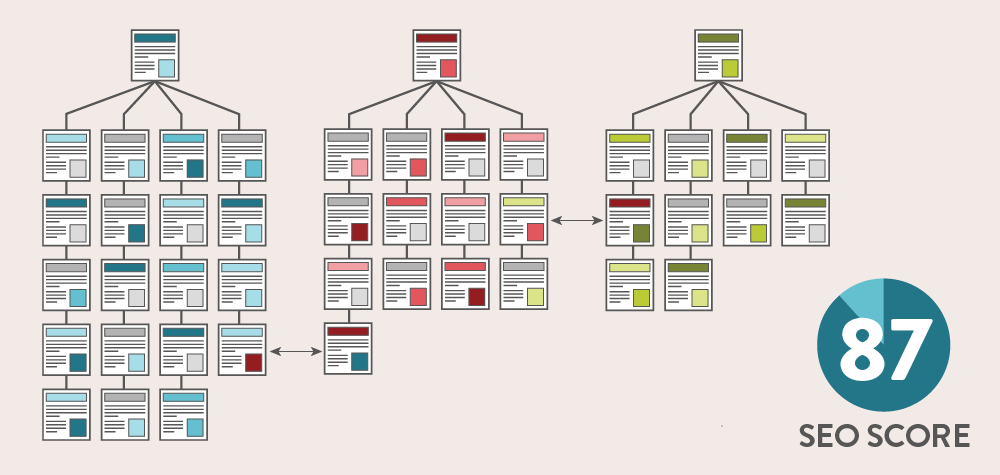
According to HubSpot, websites that implement pillar pages and topic clusters can increase organic traffic by up to 13% within just six months. This impressive figure highlights the long-term value of investing in foundational content rather than relying solely on short-term advertising tactics.
Driving engagement, retention, and conversions
Pillar content typically keeps users engaged for longer periods, increasing time on site and reducing bounce rates. This not only improves SEO metrics but also supports conversions by creating multiple high-quality touchpoints throughout the customer journey.
Reducing long-term advertising costs
By building a strong knowledge foundation, businesses can reduce their dependence on paid advertising. SEO-optimized pillar content attracts organic traffic naturally, helping lower acquisition costs and optimize CPA over time.
How to build a content pillar for advertising
To effectively implement content pillars in advertising, marketers should focus on the following foundational steps:
Identify Target Audiences and Core Insights
Start by clearly segmenting your audience - such as marketers, media planners, or SMEs - to gain a deep understanding of behaviors, needs, and ongoing optimization mindsets. Prioritizing a seamless, consistent user experience across platforms is a critical success factor.
Keyword Research, Topic Definition, and Logical Structure
Use tools like Ahrefs, Google Keyword Planner, and Google Trends to identify primary and secondary (LSI) keywords, then develop surrounding topic clusters that support the pillar content. A high-quality pillar page should typically include: at least 2,000 words, a clear H2–H3 hierarchy, well-defined internal links to cluster articles, expert references, data-backed insights, and visually engaging illustrations.
Optimize User Experience and Conversion Flow
Ensure fast page loading speeds and mobile responsiveness (in line with Google’s recommendations), while integrating compelling calls-to-action such as sign-ups, free consultations, or SmartAds solution demos to maximize conversion rates.
Analyze, Measure, and Continuously Improve
Leverage Google Analytics and heatmaps to track traffic, user behavior, and conversions. When deploying content through SmartAds, marketers can monitor metrics such as visits, time on site, CTA engagement, and conversion rates from ad content to landing pages or registration forms. These insights are invaluable for continuously enhancing the effectiveness of content pillars.
If you are looking for a solution that helps optimize advertising costs while simultaneously strengthening brand impact, don’t hesitate to create an account on SmartAds here.