Định nghĩa brand awareness, awareness ads và mối liên hệ
Khái niệm brand awareness
Nhận diện thương hiệu là mức độ khách hàng nhận biết và ghi nhớ về một thương hiệu khi so sánh với hàng loạt đối thủ khác. Ở cấp độ cơ bản nhất, brand awareness thể hiện qua việc người tiêu dùng có nhớ ra tên, logo, hoặc cảm xúc gắn liền với thương hiệu trong quá trình lựa chọn sản phẩm.
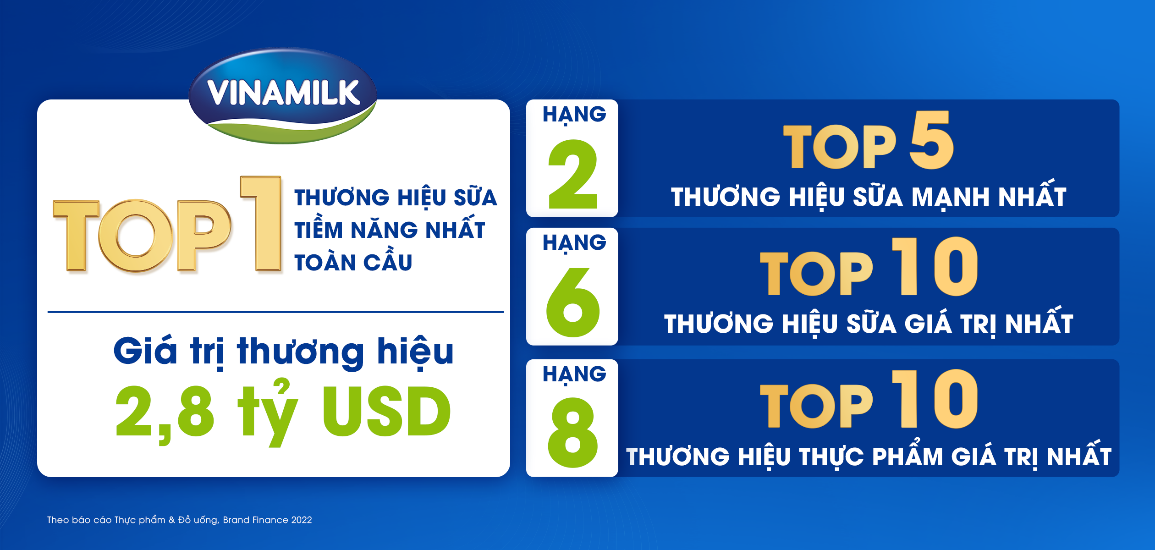
Đối với các thương hiệu lớn tại Việt Nam, các chiến dịch truyền thông nhất quán và đầu tư về mặt hình ảnh đã giúp họ in đậm dấu ấn trong tâm trí khách hàng. Cụ thể. Vinamilk là một trong những thương hiệu hiếm hoi tại Việt Nam xây dựng được mức độ brand awareness gần như tuyệt đối nhờ chiến lược truyền thông bài bản và đầu tư dài hạn. Với định vị “thương hiệu quốc dân”, Vinamilk kiên định truyền tải thông điệp “Vươn cao Việt Nam” qua mọi kênh, từ truyền hình, báo chí đến digital, tạo ra sự lặp lại liên tục và dễ ghi nhớ. Thương hiệu không chỉ phủ sóng mạnh mẽ bằng TVC, jingle quen thuộc và key visual đồng bộ, mà còn khéo léo kết hợp CSR, tài trợ sự kiện, và các chiến dịch cộng đồng như “1 triệu ly sữa cho trẻ em nghèo” để củng cố hình ảnh gần gũi, nhân văn. Nhờ đó, Vinamilk luôn chiếm lĩnh vị trí top-of-mind trong ngành sữa, không chỉ được khách hàng nhớ đến đầu tiên mà còn gắn liền với niềm tin về chất lượng, an toàn và sự quan tâm đến sức khỏe cộng đồng - một lợi thế mà ít đối thủ trong ngành có thể so sánh.
Awareness ads là gì?
Awareness ads là khái niệm nhỏ hơn brand awareness, là dạng quảng cáo tập trung vào việc mở rộng phạm vi tiếp cận và xây dựng nhận biết chứ không tối đa hóa chuyển đổi tức thì. Các định dạng thường gặp gồm banner ads, outream video ads, takeover ads, popup ads...trên nền tảng báo điện tử hoặc mạng xã hội.
Nhìn chung, awareness ads được xem là công cụ "mở đường" lý tưởng cho các thương hiệu mới, sản phẩm mới ra mắt.
Mối liên hệ giữa awareness ads và brand awareness
Có thể nói, quảng cáo awareness chính là bệ phóng đầu tiên để xây dựng brand awareness. Nếu không kết hợp quảng cáo để tăng nhận diện với thông điệp phù hợp, thương hiệu sẽ gần như bị nhấn chìm giữa hàng ngàn thông điệp quảng cáo mỗi ngày. Khi được triển khai đúng cách, doanh nghiệp sẽ từng bước ghi dấu trong tâm trí khách hàng.
Lợi ích khi xây dựng brand awareness
Đầu tư vào nhận diện thương hiệu không chỉ đơn thuần là "nổ lực marketing", mà chính là cách thúc đẩy tăng trưởng bền vững và mở ra nhiều cơ hội giá trị cho doanh nghiệp.
Tăng lòng tin và trung thành khách hàng
Khách hàng biết đến thương hiệu, có ấn tượng tốt và đã từng tiếp xúc thường dễ dàng đưa ra quyết định chọn mua, ngay cả khi đứng giữa nhiều lựa chọn tương đương.
Gia tăng tỷ lệ chuyển đổi và mở rộng thị trường
Brand awareness đóng vai trò là nền tảng cho các chiến dịch performance về sau như remarketing hay lead acquisition. Thương hiệu đã có tên tuổi dễ dàng được người tiêu dùng cân nhắc, đặc biệt khi lấn sân sang thị trường mới.
Tăng giá trị thương hiệu và khả năng thu hút nhân tài
Khi thương hiệu xác lập được vị thế và nhận diện mạnh, đó cũng là lúc giá trị vô hình (brand equity) và vốn hóa tăng lên. Một điểm cộng lớn nữa, các thương hiệu nổi bật thường là lựa chọn hàng đầu của nhân sự tài năng, mở rộng lợi thế cạnh tranh cho recruitment marketing một cách toàn diện.
Lưu ý khi xây dựng brand awareness
Không phải cứ chạy awareness ads thật nhiều là hiệu quả. Doanh nghiệp cần một chiến lược thông minh, linh hoạt để tối ưu hóa đầu tư và xây dựng thương hiệu thực sự bền vững.
#1. Xác định đúng đối tượng mục tiêu
Phân tích hành vi, insight, xác định chân dung khách hàng tiềm năng là khâu quyết định. Đồng thời có thể sử dụng nền tảng như SmartAds để quảng cáo trên các báo điện tử uy tín, tăng brand trust, đảm bảo brand safter và tránh lãng phí nguồn lực.
#2. Xây dựng thông điệp nhất quán và đa kênh
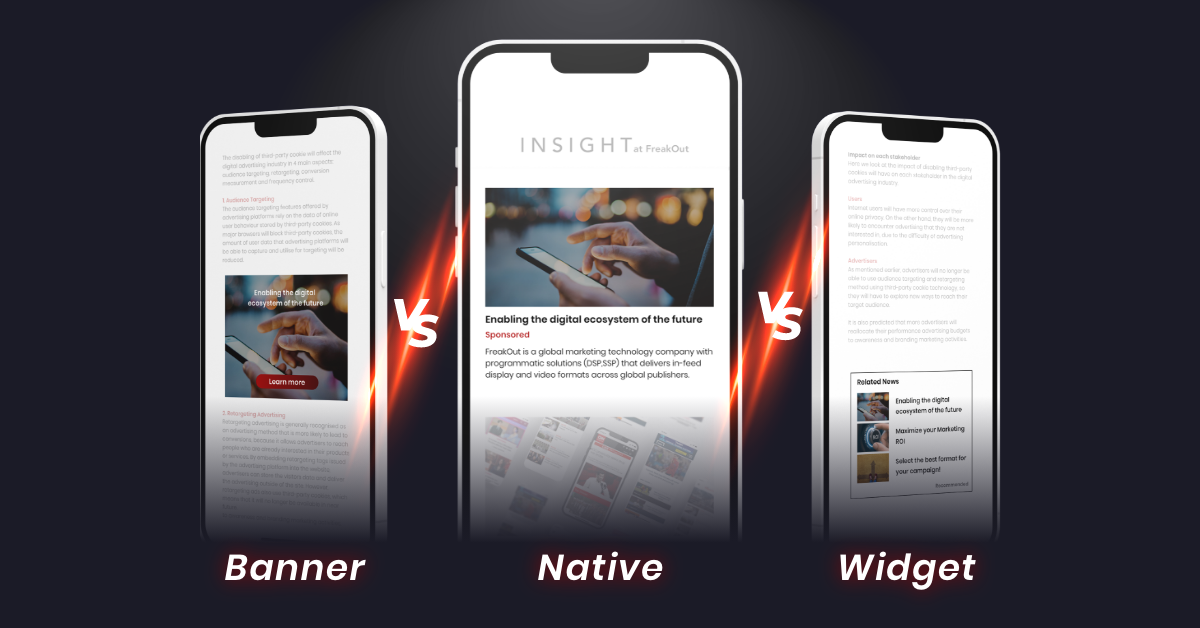
Không chỉ sáng tạo thông điệp ý nghĩa, doanh nghiệp cần đảm bảo sự xuất hiện liên tục trên các kênh digital: báo điện tử, mạng xã hội, native ads... Sự lặp lại với key visual nhất quán tạo dấu ấn mãnh liệt.
#3. Đo lường, tối ưu và xây dựng trải nghiệm tích cực
Đo lường real-time bằng các chỉ số như Brand Lift, Impression Share để đánh giá hiệu quả chiến dịch. Song song với đó, hãy luôn ưu tiên trải nghiệm người dùng, tránh gây phiền nhiễu và thường xuyên thực hiện khảo sát nhận diện thương hiệu định kỳ thông qua online Brand Awareness Survey hoặc ad recall survey theo chu kỳ hàng quý. Nên nhớ rằng, Awareness ads chỉ là bước khởi đầu, cần phối hợp truyền thông, PR, digital experience và chăm sóc khách hàng để thương hiệu không ngừng gia tăng giá trị.
Cách tối ưu các chiến dịch Awareness Ads
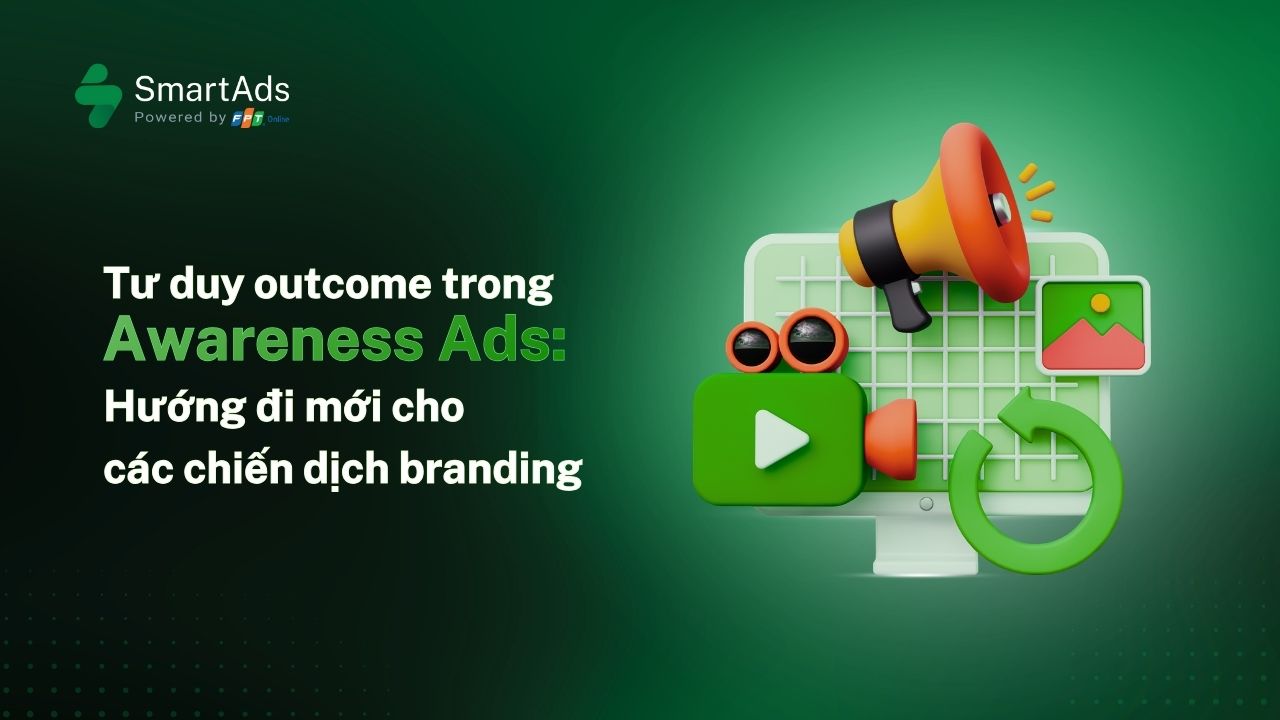
Chuyển tư duy từ objective sang outcome là xu hướng cần thiết trong bối cảnh nhiều nền tảng chỉ cung cấp hình thức mua CPM hoặc CPC, khiến nhãn mục tiêu chiến dịch không còn phản ánh đúng bản chất các chiến dịch branding nhằm tăng brand awareness. Awareness giờ đây không còn chỉ nằm ở label, mà nằm ở cách setup, tối ưu và đo lường. Cụ thể, doanh nghiệp có thể tham khảo các bí kíp sau:
-
Xác định mục tiêu rõ ràng: Sử dụng mục tiêu "Nhận thức thương hiệu" (Brand Awareness) hoặc "Số người tiếp cận" (Reach) trên các nền tảng như Facebook/YouTube. Tuy nhiên, trong thực tế, không phải nền tảng quảng cáo nào cũng cung cấp mục tiêu “Brand Awareness” hay “Reach” như một lựa chọn riêng biệt. Nhiều hệ thống chỉ bán inventory theo CPM hoặc CPC, khiến các chiến dịch branding dễ bị triển khai và đánh giá theo tư duy performance. Do đó, khi không có lựa chọn Awareness Ads cụ thể, doanh nghiệp cần chủ động xác định rõ kết quả mong muốn trước khi chạy chiến dịch. Điều này bao gồm tỷ lệ tiếp cận trên tệp khách hàng mục tiêu, tần suất hiển thị (frequency) phù hợp và mức độ tác động đến các chỉ số thương hiệu như tìm kiếm brand hoặc truy cập trực tiếp.
-
Thông điệp nhất quán và đơn giản: Xây dựng thông điệp thương hiệu dễ nhớ, tập trung vào ý chính và đồng nhất trên mọi kênh. Video nên chứa nội dung quan trọng nhất trong 6 giây đầu, hình ảnh thương hiệu rõ ràng, và giọng nói (voice-over) nêu bật tên thương hiệu.
-
Target đối tượng chính xác: Xác định rõ đối tượng mục tiêu, bao gồm nhân khẩu học, sở thích và tâm lý. Cần lưu ý rằng, awareness không chỉ là tiếp cận đúng người, mà còn là xuất hiện đúng khoảnh khắc và trong môi trường nội dung phù hợp với cảm xúc của người dùng. Khi khả năng targeting người dùng bị giới hạn, lựa chọn ngữ cảnh hiển thị trở thành đòn bẩy quan trọng cho branding. Quảng cáo xuất hiện trong nội dung liên quan ngành hàng, trên publisher uy tín hoặc tại các thời điểm mang tính mùa vụ thường tạo ra hiệu ứng nhận diện tốt hơn.
-
Nội dung trực quan, sáng tạo, đảm bảo creative được nhận diện nhanh: do người dùng thường chỉ lướt qua quảng cáo trong thời gian rất ngắn, các creative cho Awareness cần được xây dựng theo nguyên tắc nhận diện tức thì sao cho đảm bảo hình ảnh hoặc video chất lượng cao, với logo hoặc yếu tố thương hiệu xuất hiện sớm, hình ảnh đặc trưng hoặc key visual dễ phân biệt. Như vậy, thay vì kể một câu chuyện dài trong thời gian giới hạn, mục tiêu của creative Awareness là tạo dấu ấn nhanh và lặp lại nhất quán nhất có thể trên nhiều điểm chạm.
-
Đo lường và điều chỉnh: Trong trường hợp nền tảng không cung cấp Brand Lift hoặc Ad Recall, doanh nghiệp vẫn có thể đánh giá hiệu quả Awareness thông qua các tín hiệu gián tiếp. Reach, impressions và viewable impressions giúp phản ánh độ phủ; trong khi search lift, branded traffic hoặc mức độ thảo luận trên mạng xã hội cho thấy tác động đến nhận thức thương hiệu. Cách tiếp cận này cho phép doanh nghiệp quan sát “dư chấn” của chiến dịch trên toàn bộ hệ sinh thái digital, thay vì chỉ dựa vào click hoặc chuyển đổi.